
Last updated October 31, 2026
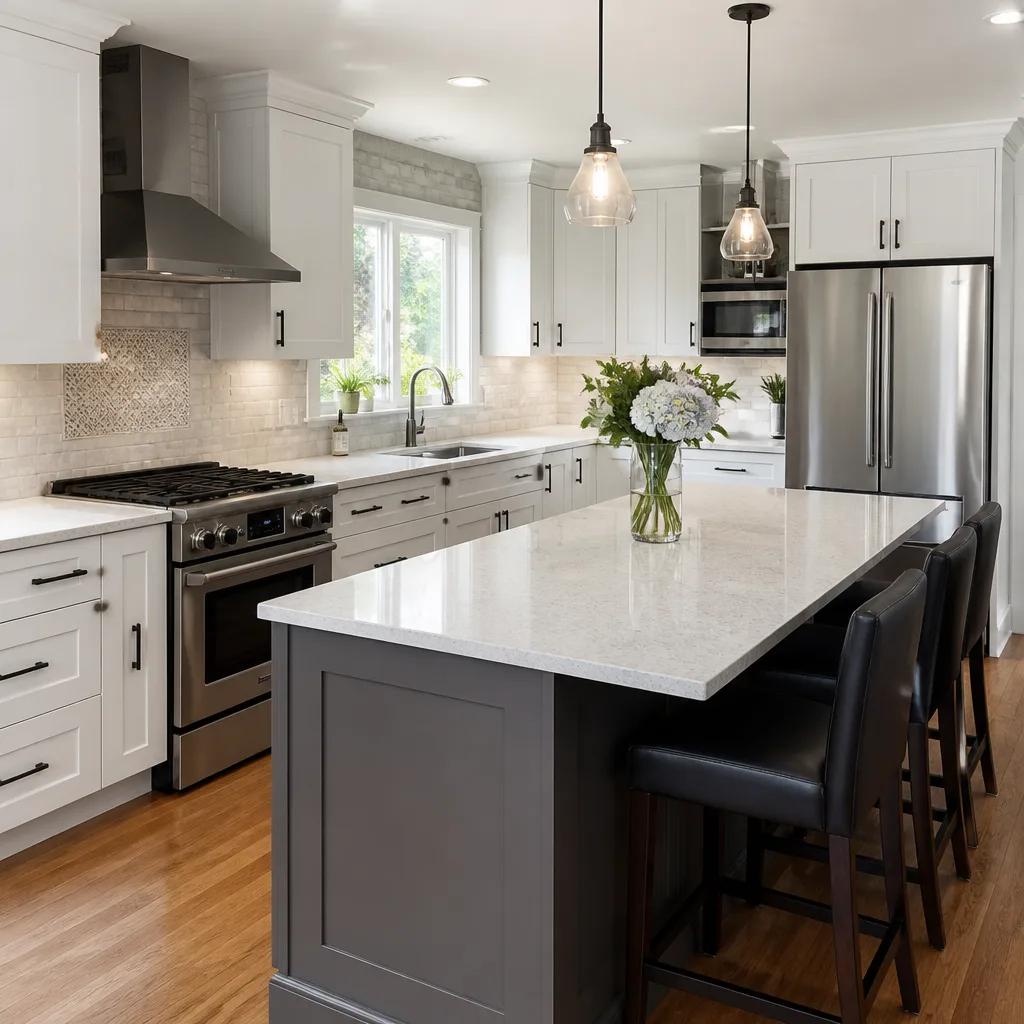 Kitchen remodeling
 Bathroom remodeling
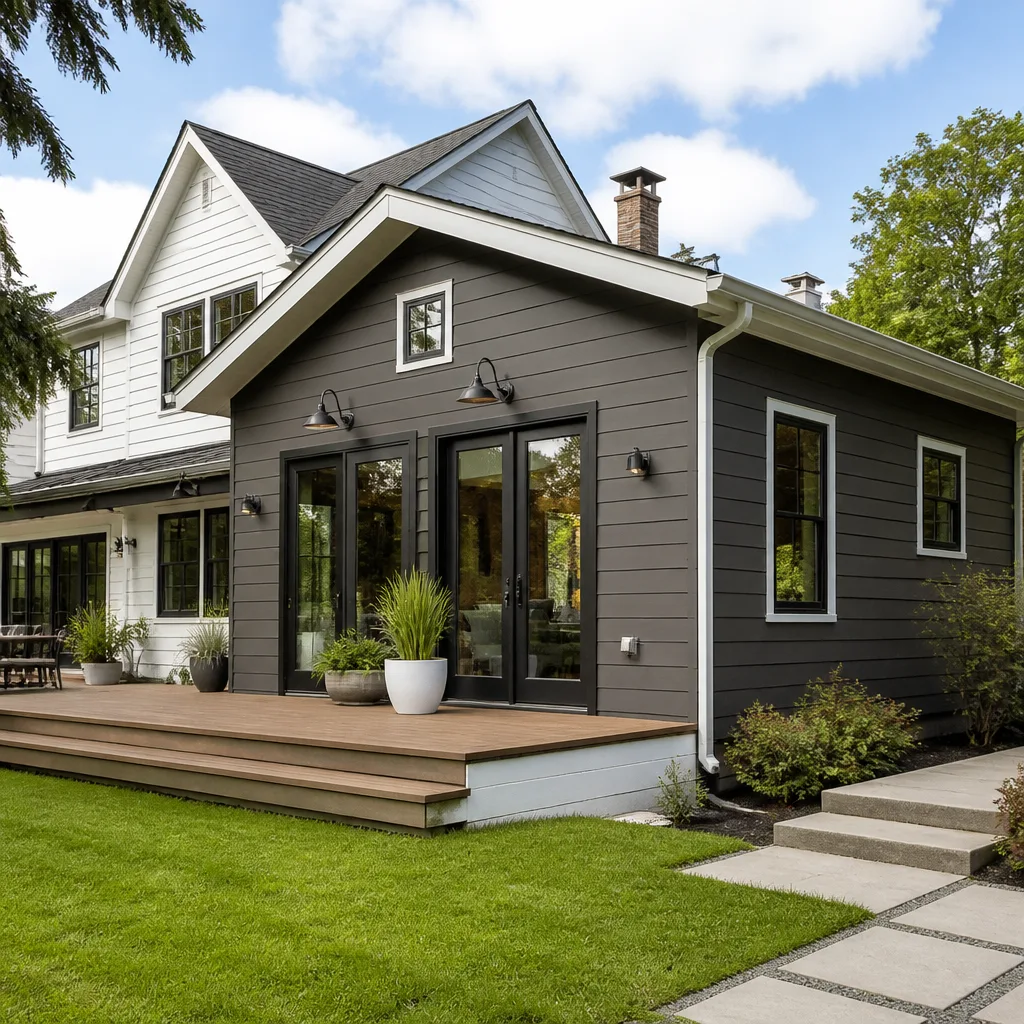 Home additions & ADU
 Roofing
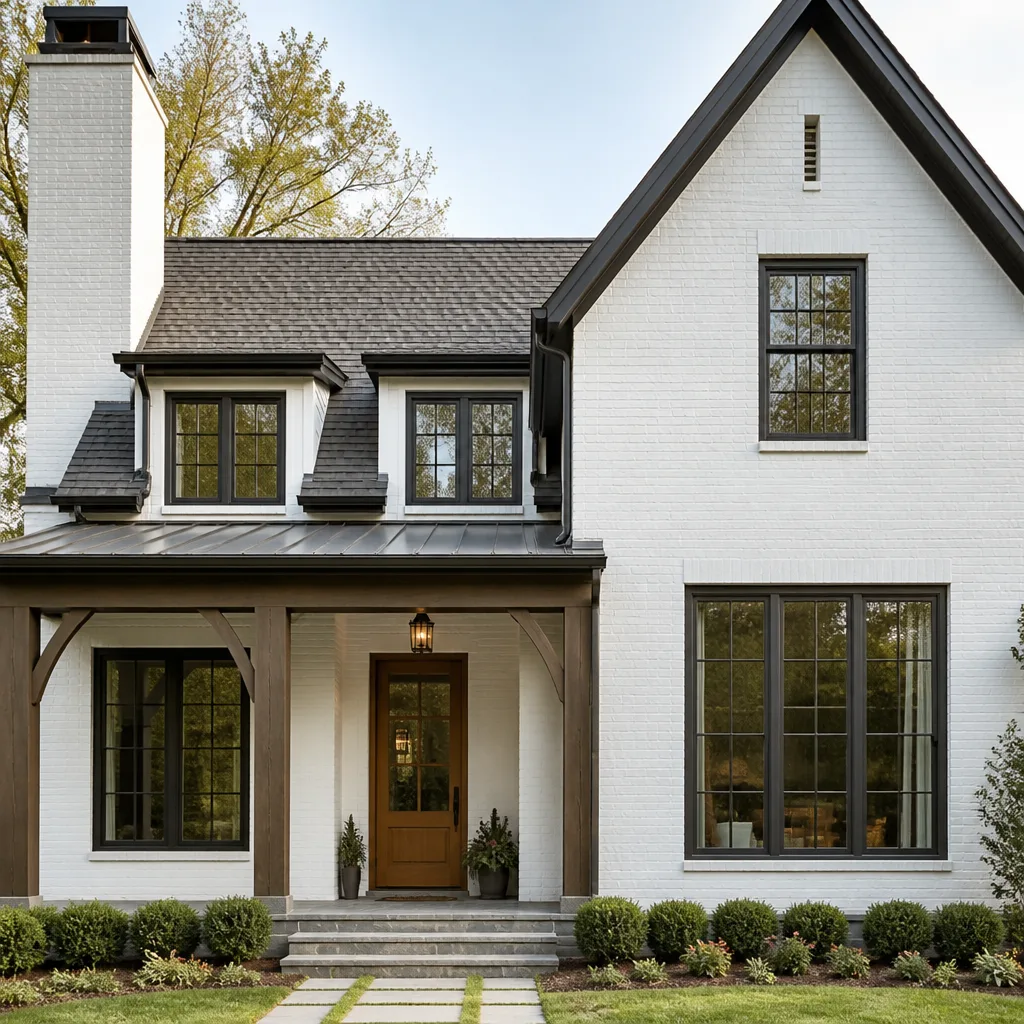 Windows & doors
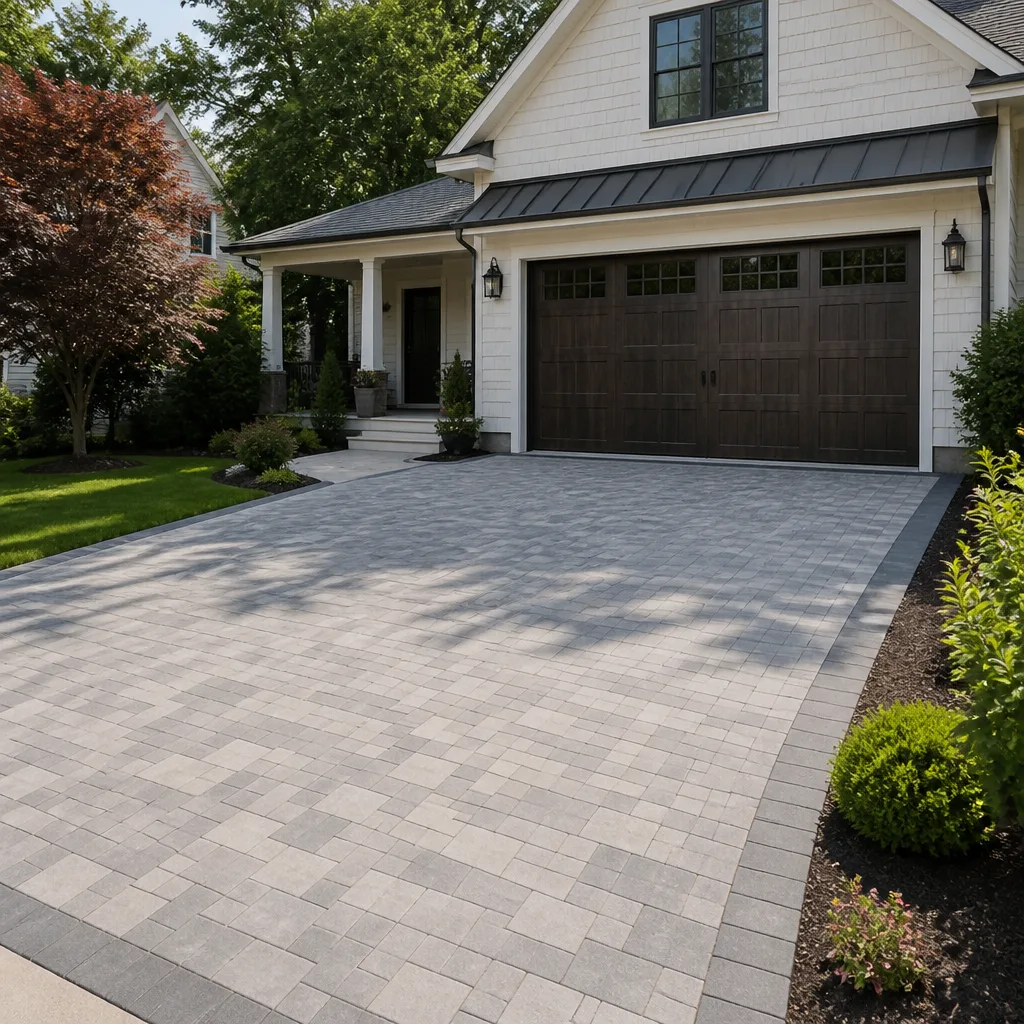 Driveway & pavers
 Fence
Free written scope consultation - allowances, timeline, and change-order rules on paper before a single trade is scheduled
The Complete Guide to Construction in Temecula
Here’s a number most Temecula homeowners don’t see coming: more than 60% of residential parcels in this city sit inside a homeowners association. That means before you ever talk to a contractor about your kitchen remodel or room addition, you need to understand that Temecula construction is a three-approval process: the City, the HOA, and sometimes Riverside County. This guide walks through all three, plus the soil conditions, fire-zone designations, and contractor-availability realities that shape every construction decision in Temecula. You’ll finish with a clear picture of what your project actually requires, what it will likely cost, and where the hidden delays live.
Quick Answer
Construction in Temecula requires navigating two permit jurisdictions (City of Temecula Building & Safety for most parcels, Riverside County for unincorporated areas like parts of Wine Country), HOA architectural review in communities such as Redhawk and Harveston, and soil conditions dominated by expansive clay that demand specific foundation approaches. Budget realistically and sequence your project around Temecula’s compressed contractor availability, because the permit counter is rarely the longest wait.
Styles & brands we work with
Table of Contents
- The Dual Permit System: City vs. County
- HOA Architectural Review in Temecula’s Master-Planned Communities
- Expansive Clay Soils and What They Mean for Your Foundation
- Fire-Hazard Zones in the Eastern Hillsides
- Project Sequencing in a Tight Contractor Market
- What Construction Actually Costs in Temecula
- Common Mistakes to Avoid
- When to Call a Professional
- Frequently Asked Questions
The Dual Permit System: City vs. County
Most Temecula homeowners pull permits through the City of Temecula Building & Safety Division. That’s straightforward enough. But a meaningful chunk of the Temecula area, particularly parcels in Wine Country and some outlying residential streets, falls under unincorporated Riverside County jurisdiction. The difference matters because the two agencies have different application processes, different plan-check timelines, and different inspectors with different priorities.
Here’s the practical breakdown:
- City of Temecula permits cover the majority of in-city residential work. Plan check for a typical kitchen or bath remodel runs one to three weeks. Larger structural projects, including ADUs and additions, can take four to eight weeks depending on current volume.
- Riverside County permits apply to unincorporated pockets. County plan check often runs longer for structural work because county reviewers handle a far larger geographic area with fewer staff assigned to any single community.
- Some projects touch both. A home in unincorporated Wine Country may need county building permits and a separate City of Temecula review if the property connects to city water or sewer infrastructure.
We tell every client the same thing before we start: confirm your jurisdiction first. It takes five minutes to check your parcel, and it changes everything about your timeline. A general contractor in Temecula who works both jurisdictions regularly can tell you which path applies to your address and what the current real-world wait times look like.
HOA Architectural Review in Temecula’s Master-Planned Communities
Temecula’s growth model produced a remarkable density of master-planned communities. Redhawk, Harveston, Morgan Hill, Paseo del Sol, and Crowne Hill each operate with their own architectural review committee, their own submission requirements, and their own clock. Here’s what that actually means for your construction timeline:
- Concept review comes first. Most Temecula HOAs require a preliminary submission with drawings, material samples, and color selections before you can apply for a city permit. Some communities review weekly; others run monthly cycles. Redhawk and Harveston typically review within two to four weeks, but a missing paint chip or incomplete landscape plan resets the clock.
- Approval does not equal a permit. HOA sign-off is a prerequisite in most Temecula communities, not a substitute. You still need City or County permits. The HOA cares about aesthetics and community standards; the City cares about code compliance. Two entirely different reviews.
- Fines outlast construction. An HOA violation for work done without approval can follow you for years, even after the contractor is gone. Some Temecula HOAs impose weekly fines until the violation is corrected, and correcting it can mean tearing out work.
The smart sequence is: check HOA guidelines, submit architectural review, get approval, then start the permit process. Doing it backward creates rework. We’ve seen homeowners in Temecula’s HOA communities redesign entire window packages because the architectural committee rejected a specific window brand or style mid-construction.
Expansive Clay Soils and What They Mean for Your Foundation
Temecula sits on a geological formation that creates some of Southern California’s most expansive clay soils. Expansive clay swells when wet and shrinks when dry, and over decades that cycle can move a foundation enough to crack drywall, stick doors, and separate slabs. This is not a hypothetical risk; it’s the default condition across much of the city.
Here’s what expansive soil means for different scopes of work:
- Additions and ADUs: A soils report is typically required for any new foundation. The report tells the structural engineer the expansion potential, which determines slab thickness, rebar spacing, and whether post-tension or conventional reinforcement makes sense.
- Flatwork (driveways, patios, walkways): Temecula’s clay will move concrete if the subgrade is not properly prepared. Cutting corners on compaction shows up as cracked driveways within three to five years.
- Retaining walls: Expansive soil behind a wall exerts more pressure than stable soil. Drainage design matters as much as wall structure in Temecula; a wall without proper weep holes and backfill is a future liability.
- Pool construction: Pools in expansive clay need reinforced shells and proper drainage engineering. Soil movement can crack a pool shell just as easily as a foundation.
This is a primary reason we recommend a full-scope approach rather than piecemeal contracting. When one team handles the soil considerations, the foundation, and the finish work, the engineering assumptions stay consistent from dig to paint.
Fire-Hazard Zones in the Eastern Hillsides
Temecula’s eastern hillside neighborhoods, including areas around De Luz and the communities climbing toward the Cleveland National Forest boundary, fall into designated Fire Hazard Severity Zones. That designation isn’t just an insurance footnote; it changes what materials you can use, what vegetation you can keep, and how your exterior must perform in a wildfire scenario.
Material selection in fire-hazard zones matters more than most homeowners realize:
- Roofing: Class A fire-rated assemblies are required in high-severity zones. That means specific underlayments, specific coverings, and specific installation details. Not every roofing system qualifies, even if it looks identical to a qualifying one.
- Siding: Fiber cement siding, including James Hardie, carries a non-combustible rating that satisfies most fire-zone requirements. Vinyl and some wood products do not.
- Windows: Dual-pane tempered glass is the minimum expectation in many hillside Temecula neighborhoods. In the most severe designations, window frames must also meet specific thermal-resistance standards. Brands like ES Windows and CGI produce window lines engineered specifically for wildfire-adjacent construction.
- Vents and eaves: Ember intrusion causes the majority of structure losses in wildfire events. Fire-rated vents and closed eave details are now standard in new hillside construction, and they’re increasingly required on remodels as well.
If you’re building or remodeling in Temecula’s eastern hills, plan for a longer design phase. Fire-zone compliance requires more documentation, more product research, and more review cycles than a standard in-city project.
Project Sequencing in a Tight Contractor Market
Temecula’s construction boom has been relentless for over a decade. The result is a contractor market where the good crews are booked weeks or months out, material lead times fluctuate unpredictably, and scheduling a project means making commitments before you feel ready. Here’s how we recommend homeowners sequence a major renovation in this environment:
- Lock your contractor before you finalize finishes. The contractor’s availability is the binding constraint. Everything else flows from when the crew can start.
- Order long-lead items early. Windows, custom cabinets, and specialty doors can carry eight to sixteen week lead times, and that was true before recent supply-chain volatility. In Temecula, homeowners who delay window orders delay their entire exterior remodel.
- Secure permits before demo. This sounds obvious, but the pressure to start often pushes people to begin work before the permit is in hand. That creates a stop-work order, permit delays, and potential fines.
- Expect HOA review to run parallel, not sequential. Submit HOA packages the same week you submit permit applications. Neither should wait for the other.
- Reserve the dumpster and portable toilet early. Temecula’s construction logistics have their own constraints, and nothing stalls a job faster than a missing dumpster on demo day.
The theme here is preparation. A home remodeling project in Temecula runs on a schedule set by the slowest-moving part, and that part is rarely the actual construction labor.
What Construction Actually Costs in Temecula
Temecula construction pricing runs above the national average and slightly above the Southern California baseline. That’s a function of high demand, limited subcontractor capacity, and the cost of doing business in Riverside County’s most competitive housing market. Here’s a grounded breakdown of what homeowners should expect to pay for common projects:
- Kitchen remodel (mid-range): $45,000 to $85,000 depending on cabinet line, countertop selection, and whether walls move. KraftMaid and Wellborn cabinetry with Cambria, Silestone, or Caesarstone counters push toward the upper end and deliver measurable quality differences.
- Primary bath remodel: $30,000 to $60,000 for a full gut with tile, vanity, and plumbing fixture replacement. Kohler, Moen, and Toto fixtures carry a premium but come with warranties that matter.
- Roof replacement: $18,000 to $45,000 in Temecula depending on square footage, pitch, and material. Single-story homes with GAF, CertainTeed, or Owens Corning architectural shingles sit at the lower end; steep cut-up roofs with premium materials run higher.
- Window replacement (full home): $15,000 to $40,000. Vinyl starts low; fiberglass and thermally broken aluminum from brands like ECO Window Systems and Mr-Glass cost more but perform better in Temecula’s summer heat.
- ADU construction: $150,000 to $350,000 for a detached unit depending on size, foundation complexity, and finish level. Prefab solutions from Abodu, Dvele, Mighty Buildings, and Boxabl can compress timelines significantly.
- Hardscaping (patio, walkway, retaining wall): $15,000 to $60,000. Belgard, Unilock, and Techo-Bloc pavers cost more than poured concrete but hold their color and structure better through Temecula’s clay movement.
These ranges are honest starting points, not final numbers. Every Temecula project varies by site conditions, existing structure, and material choices. We bring brand-name options so you can research products before you commit; the pricing conversation is always transparent from the first estimate. For a home renovation in Temecula, the most important number is the one tied to your specific scope, not a generic square-footage formula.
Common Mistakes to Avoid
- Skipping the soils report on an addition or ADU. Temecula’s expansive clay will find every shortcut in your foundation. The cost of a soils report is a rounding error compared to the fix for a cracked slab.
- Starting construction without HOA approval. In Redhawk, Harveston, Paseo del Sol, and most other Temecula master-planned communities, architectural review is mandatory. Violation fines accrue weekly and don’t stop when the project ends.
- Choosing exterior materials without checking fire-zone requirements. A vinyl fence or non-Class A roof in Temecula’s eastern hills can fail inspection and trigger a full material swap. The time to check fire severity zones is before you order anything.
- Hiring a contractor who doesn’t work both City and County systems. An unincorporated Wine Country parcel runs through Riverside County, not the City of Temecula. That’s a different permit process, different forms, and different inspection schedules.
- Underestimating lead times. Windows, doors, and custom cabinets don’t arrive in two weeks. In Temecula’s current market, homeowners who make finish selections at the last minute wait at the last minute.
- Treating the HOA as an afterthought. Some Temecula communities have 40-page architectural guidelines. Reading them before you design saves you from redesigning.
- Choosing the lowest bid without checking the product line. A low number often means generic materials. In Temecula, where heat and soil movement punish cheap products, the price difference becomes visible within three to five years.
When to Call a Professional
Any structural change, any plumbing or electrical relocation, any roofing work, any window replacement on a two-story home, and any exterior project in a fire-hazard severity zone demands a licensed contractor. The DIY approach works for paint and hardware; it does not work for foundations, framing, or fire-rated assemblies. A Sycamore Contractors home consultation walks you through your specific Temecula property’s jurisdictions, soil conditions, HOA rules, and material options before you commit to anything. Sycamore Contractors offers free estimates in Temecula, call (877) 265-6284.
Frequently Asked Questions
Simple interior remodels typically take one to three weeks for City of Temecula plan check, while larger structural projects such as additions and ADUs run four to eight weeks. Riverside County permits for unincorporated parcels often take longer due to higher volumes and broader geographic coverage. Call (877) 265-6284 and we’ll tell you the current realistic timeline for your specific project type.
Mid-range interior remodeling in Temecula runs roughly $150 to $300 per square foot depending on scope and material grade, while new ADU construction typically lands between $250 and $450 per square foot. Temecula sits above the national average because of high subcontractor demand and the area’s building standards. Call (877) 265-6284 for a line-item estimate based on your actual drawings and site conditions.
Yes, in most Temecula master-planned communities including Redhawk, Harveston, Morgan Hill, Paseo del Sol, and Crowne Hill, HOA architectural review is required before you begin any exterior work or any project visible from the street. Interior remodels that don’t change the exterior footprint may only need city permits, but always check your community’s specific guidelines first.
James Hardie fiber cement siding is the most widely used and best-tested product for Temecula’s hot summers, cool winters, and occasional freeze cycles, and it carries a non-combustible rating that satisfies most fire-zone requirements in the eastern hills. We install James Hardie as the standard option because the manufacturer’s warranty and installation requirements align with what Temecula’s conditions demand.
No, a soils report is virtually always required for a new detached ADU foundation in Temecula because the city and county both recognize the expansive clay risk across the region. Your structural engineer uses the report to specify slab reinforcement, and skipping it will result in a failed plan check. Prefab ADU manufacturers like Abodu and Dvele have engineering packages that often streamline this requirement, so call (877) 265-6284 to explore which path fits your parcel.
The hardest part is sequencing, because contractor availability, HOA review cycles, permit backlogs, and material lead times all move on different clocks in Temecula’s active construction market. Homeowners who start with a clear sequencing plan and lock their contractor early avoid the delays that plague projects started backwards. Call (877) 265-6284 for a free estimate and a realistic timeline conversation before you commit to anything.
The Bottom Line
Temecula construction carries more variables than most homeowners expect: two permit jurisdictions, expansive clay soils, fire-hazard designations in the eastern hills, and HOA architectural review in the majority of residential communities. The homeowners who succeed are the ones who understand these variables before they start, sequence the process intelligently, and choose materials that hold up to the specific conditions Temecula throws at them. That’s the difference between a project that finishes on budget and one that becomes a two-year saga. Plan first, build once.
Written by the team at Sycamore Contractors, serving Temecula since 2018.
See the difference
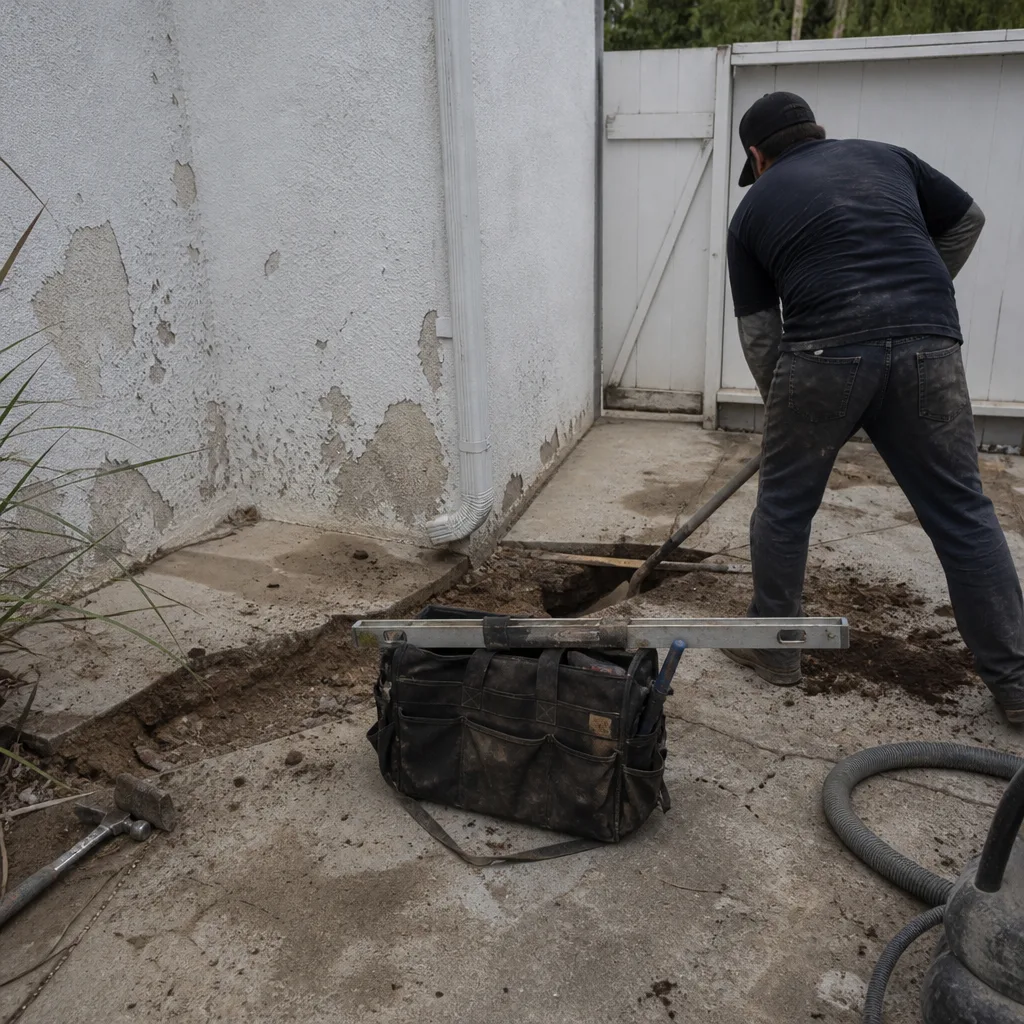 Before
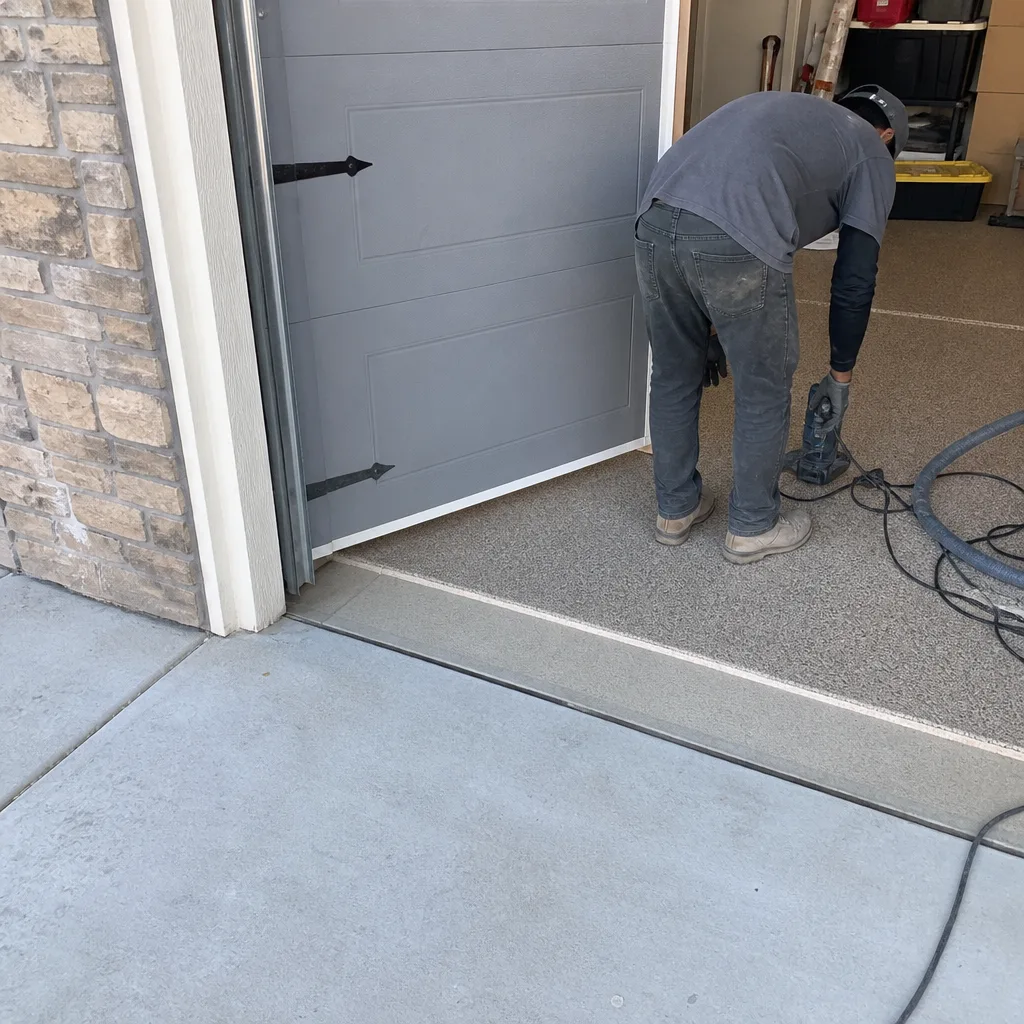 After
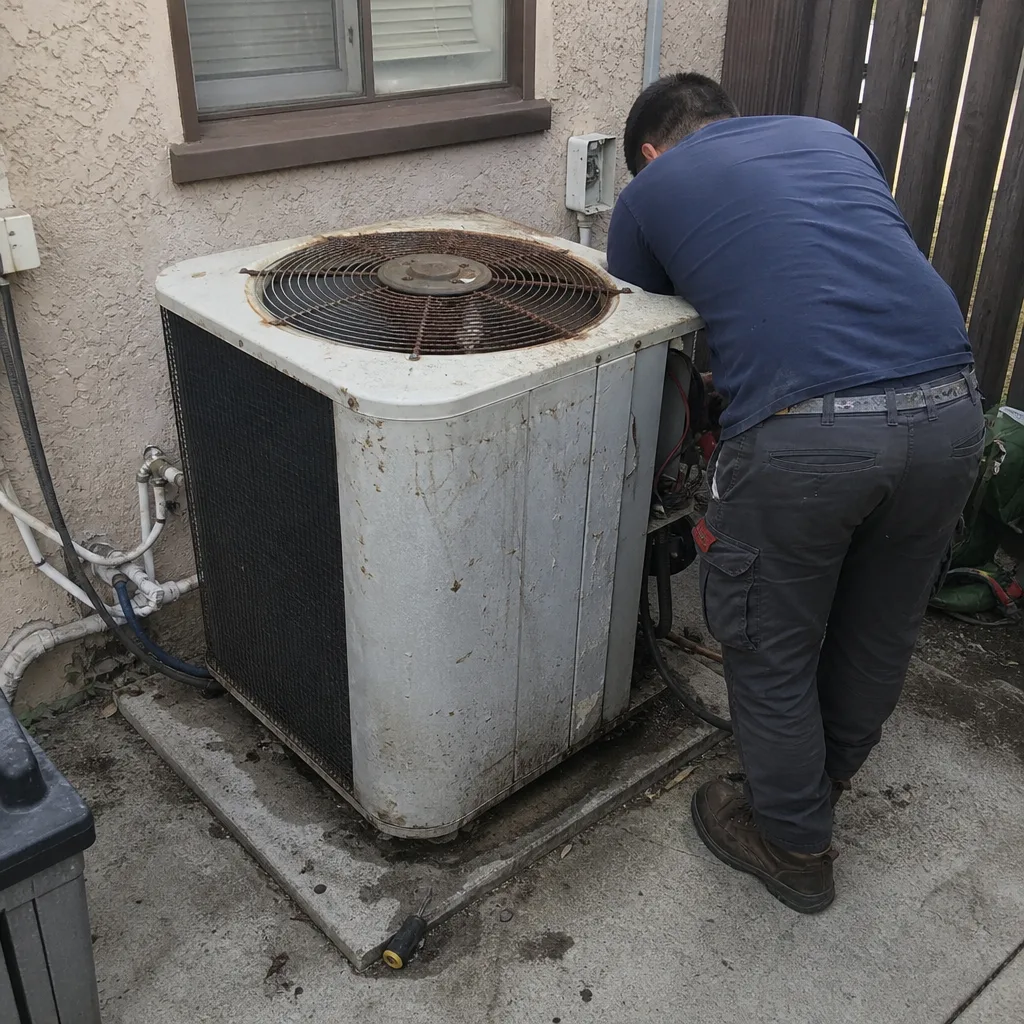 Before
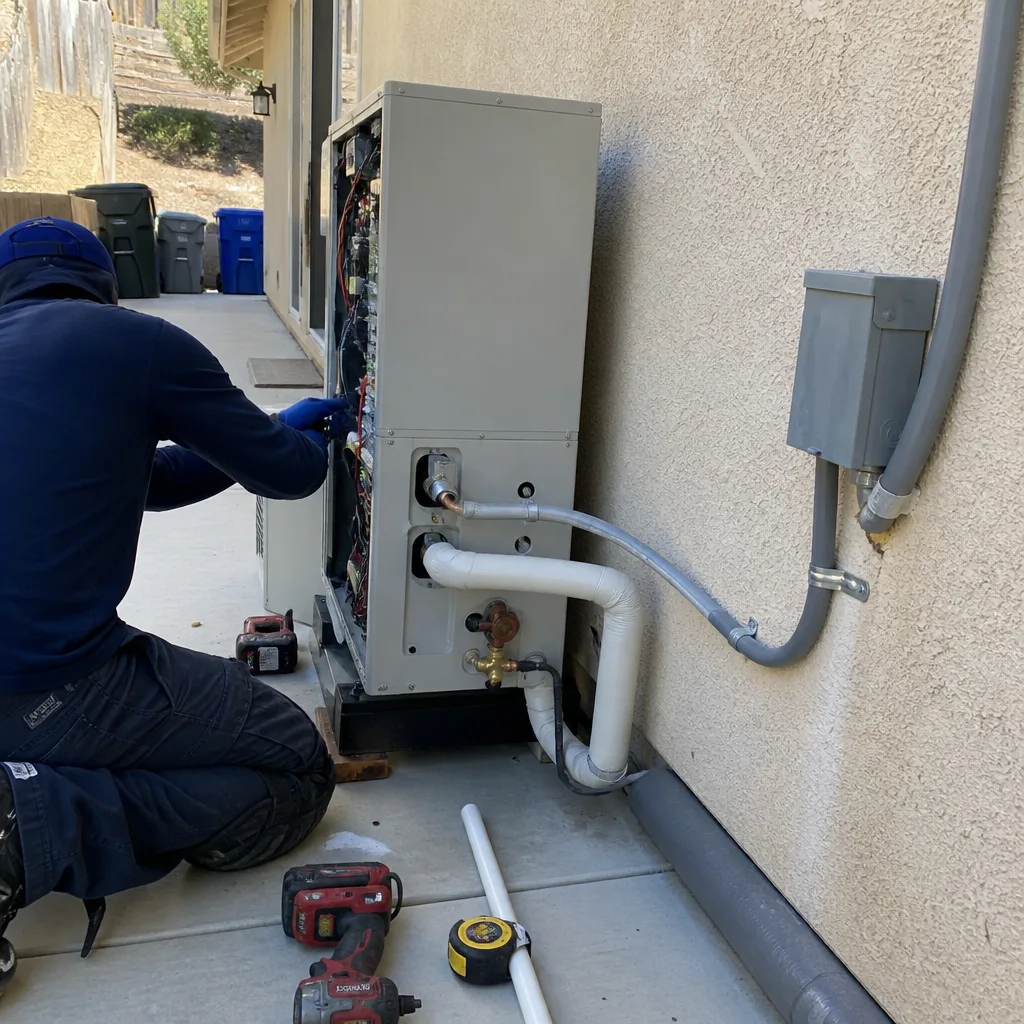 After
 Before
 After