
Last updated October 31, 2026
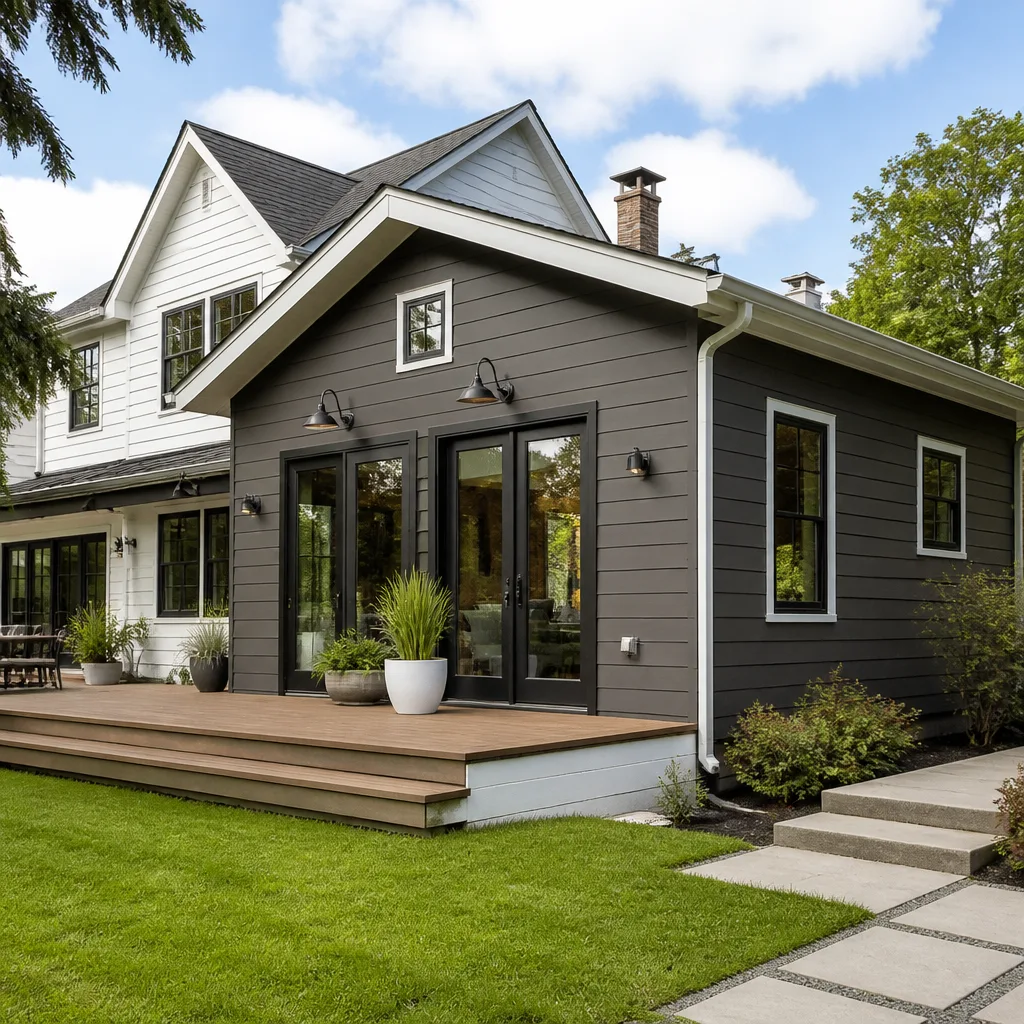 Home additions & ADU
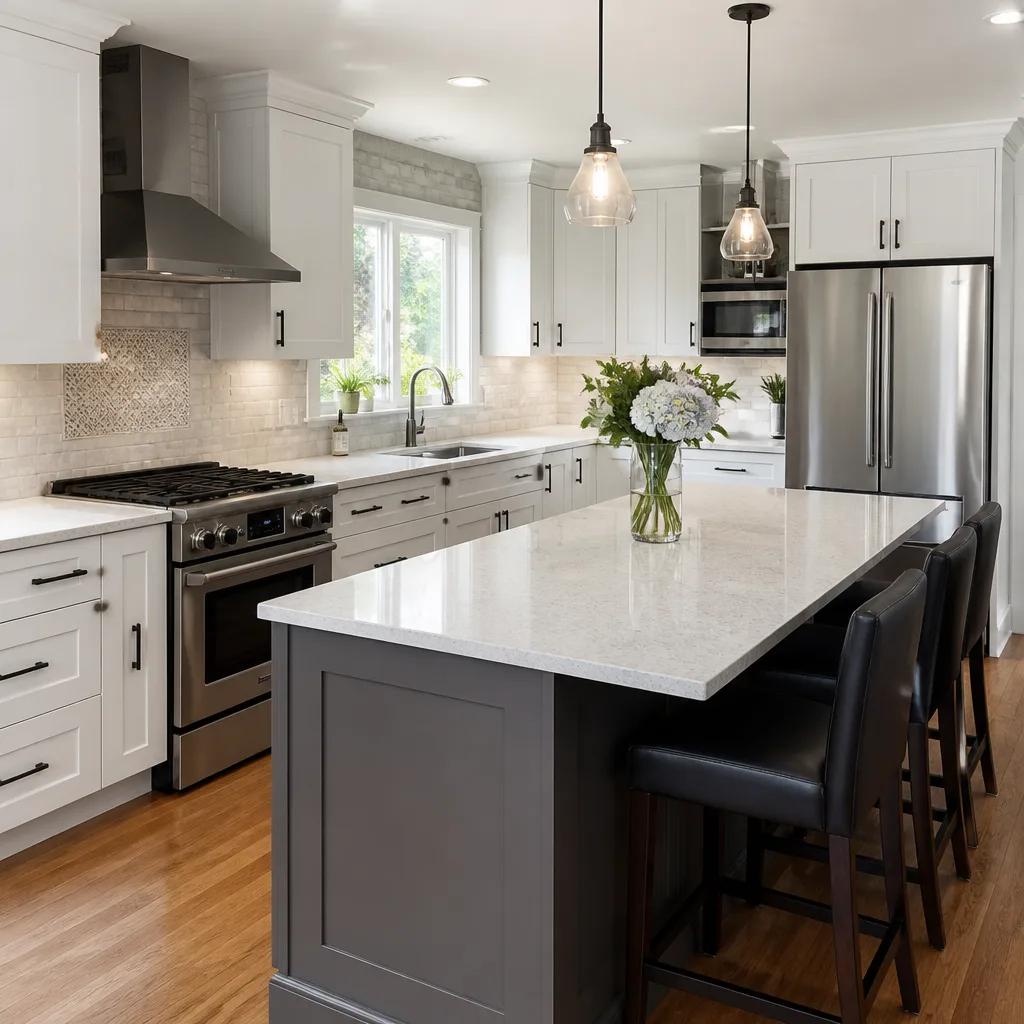 Kitchen remodeling
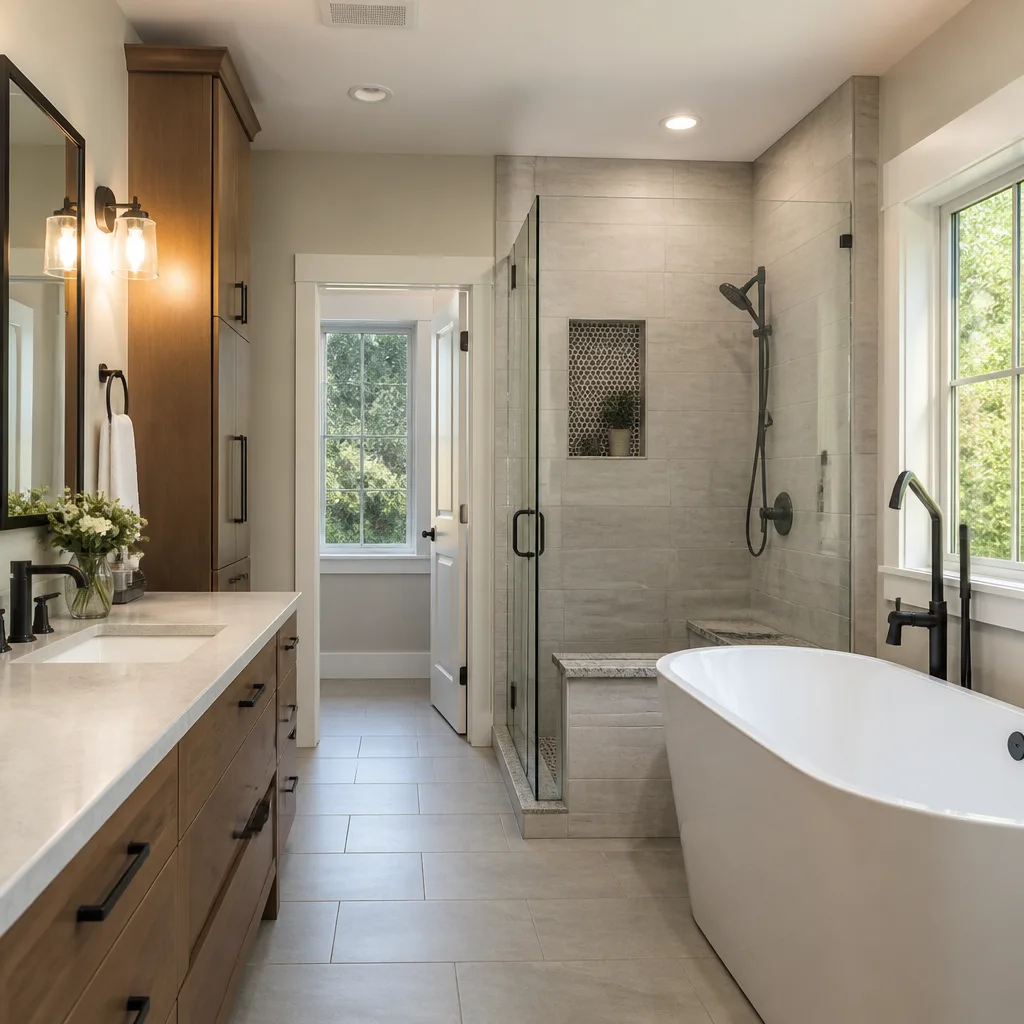 Bathroom remodeling
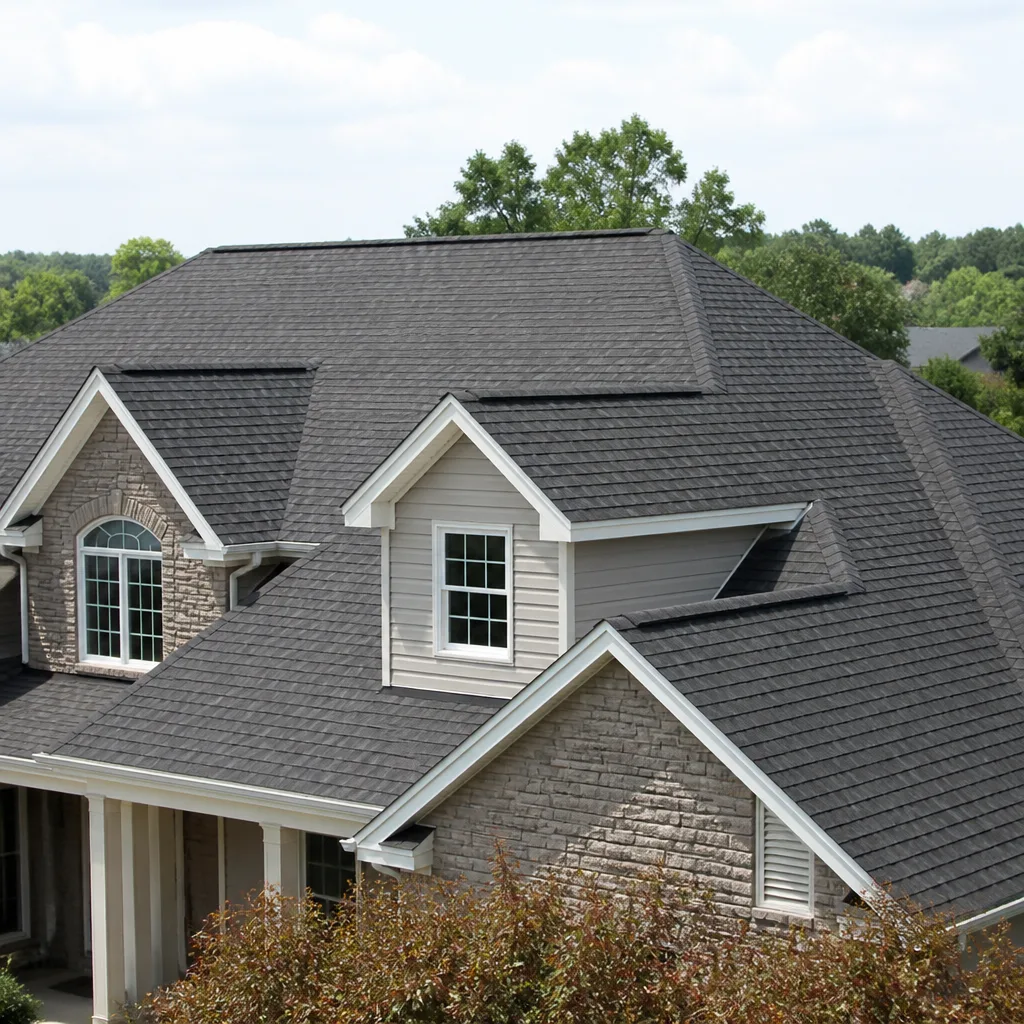 Roofing
 Windows & doors
 Driveway & pavers
 Fence
Free written scope consultation - allowances, timeline, and change-order rules on paper before a single trade is scheduled
Construction Cost Breakdown: The Temecula Homeowner’s Reference for 2026
Most construction cost guides are written for a national audience, and that’s exactly why they fail Temecula homeowners. A kitchen remodel quoted at $45,000 by an online calculator routinely lands at $55,000 to $62,000 once you factor in inland labor rates, Riverside County permit fees, and the HOA approval process that eats up time and adds coordination costs. This guide is built from real 2026 project data specific to Temecula and the surrounding SW Riverside County market. You’ll get trade-by-trade cost ranges, the soft costs nobody warns you about, and a clear picture of where your money actually goes.
Quick Answer
In 2026, homeowner construction costs in Temecula run roughly 15-25% above national averages. A mid-range kitchen remodel costs $55,000 to $85,000, a primary bathroom $35,000 to $60,000, a full roof replacement $18,000 to $35,000 depending on material, and an ADU $180,000 to $350,000 depending on size and site conditions. These ranges reflect Temecula’s inland labor premium, haul distances from San Diego and LA distribution hubs, Riverside County permitting requirements, and HOA architectural review processes that add soft costs to nearly every project.
Styles & brands we work with
Table of Contents
- Why Temecula Costs 15-25% More Than National Averages
- Soft Costs Homeowners Forget: Permits, HOA Reviews, and Site Work
- Trade-by-Trade Cost Ranges for Temecula in 2026
- Kitchen Remodel Costs in Temecula: A Realistic Breakdown
- Bathroom Remodel Costs in Temecula: What to Budget
- Roofing Replacement Costs in Temecula: Material Options That Matter
- ADU Construction Costs in Temecula: Setbacks, Utilities, and Zone Variables
- Where Value Engineering Works and Where It Backfires in Temecula’s Climate
- How Material Haul Distances Affect Pricing and Timing
Why Temecula Costs 15-25% More Than National Averages
Temecula sits in a unique position geographically. We’re far enough inland that material delivery from San Diego and LA distribution hubs adds a logistics line item to nearly every job. We’re close enough to coastal markets that skilled tradespeople can command rates competitive with San Diego County. The result is a labor market that prices Temecula projects above what a national calculator assumes for “California” as a whole.
The labor premium is real. In our experience across general contracting in Temecula, finish carpenters, tile setters, and electricians who work in this market regularly quote rates that are 10-20% higher than what you’d see in Riverside or Moreno Valley. That’s not price gouging. It’s the reality of a market where the cost of living has risen sharply and skilled trades are in constant demand across Temecula’s wine country estates, the master-planned communities along Butterfield Stage Road, and the older homes near Old Town.
The HOA factor is something most cost guides never mention. Temecula has dozens of large master-planned communities, and most have architectural review committees that must approve exterior work before permits are pulled. Redhawk, Harveston, Morgan Hill, Paseo del Sol, Crowne Hill, Sommers Bend – these communities all have their own review timelines, their own documentation requirements, and their own fees. An exterior remodel that sails through in Murrieta might spend four to six weeks in architectural review in Redhawk. That delay is a cost, whether you measure it in holding costs, scheduling friction, or the simple frustration of a project that can’t start.
Clay soils add another layer. Much of Temecula sits on expansive clay that shifts with moisture. For additions, ADUs, and even significant hardscape work, Riverside County may require a soils report. That’s typically $3,000 to $7,000 before you’ve even designed the structure. National cost calculators don’t know that. Your local contractor does.
The weather window matters too. Temecula’s hot, dry summers are ideal for exterior work, which means roofing, stucco, painting, and hardscape crews are fully booked from April through October. Plan your project during peak season and you’ll pay a premium for availability. Plan it for the brief winter window and you might save money, but you’ll face rain-delay risk, especially on roofing and foundation work.
Soft Costs Homeowners Forget: Permits, HOA Reviews, and Site Work
When homeowners budget for a remodel, they tend to fixate on the visible stuff: cabinets, countertops, tile, fixtures. But in Temecula, the invisible costs can add $15,000 to $40,000 to a major project before a single subcontractor swings a hammer. Here’s what actually shows up on the paperwork:
- Riverside County permit fees: Expect $2,000 to $8,000 for a kitchen or bath remodel that moves plumbing or electrical. A full addition or ADU permits can run $10,000 to $25,000 depending on scope and review complexity.
- HOA architectural review fees: Most Temecula HOAs charge $250 to $1,500 for plan review, and some require refundable deposits on top of that. Redhawk’s review process, in our experience, is one of the more thorough in the valley.
- Soils reports and engineering: On clay-heavy lots (common south of Rancho California Road and in the Wolf Creek area), expect $4,000 to $10,000 for soils work and structural engineering before any foundation can be designed.
- Plan drafting and design fees: A full set of architectural plans for an ADU or addition runs $8,000 to $20,000 in 2026. Kitchen and bath designs are usually less, around $2,500 to $6,000, though many showrooms include basic design with cabinet purchase.
- Waste and hauling: Demolition debris from a kitchen remodel fills one to two 20-yard dumpsters. In Temecula, dumpster rental and haul-away averages $600 to $1,200 per load, plus Gate-ive fees if your community has controlled access.
- Utility connection and site preparation: For ADUs especially, new electrical service, sewer connections, and grading can add $10,000 to $25,000 that national guides completely miss.
What’s the takeaway? Whatever your hard-cost budget, add 18-25% for soft costs in Temecula. A $100,000 kitchen remodel should be planned as a $118,000 to $125,000 project. If you come in under, great. If you don’t, you’ve already protected yourself.
Trade-by-Trade Cost Ranges for Temecula in 2026
These ranges reflect what we’re actually seeing on projects across Temecula in 2026. They assume licensed, insured contractors pulling proper permits and using mid-grade to premium materials. If a quote comes in dramatically below these ranges, ask hard questions about what’s being cut.
- Full kitchen remodel: $55,000 to $85,000 for a mid-range project in a 300-400 square foot kitchen. Premium kitchens with custom cabinetry, stone slab backsplashes, and high-end appliances run $85,000 to $150,000+.
- Primary bathroom remodel: $35,000 to $60,000 for a gut remodel with a tiled shower, new vanity, and flooring. Guest baths run $18,000 to $30,000.
- Full roof replacement: $18,000 to $35,000 for a typical 2,500-3,000 square foot single-story home, varying by material. Tile roofs at the top end, asphalt shingles at the bottom, with standing seam metal in between.
- Window replacement (full home): $15,000 to $40,000 for 15-20 windows, depending on frame material and glass package. Vinyl at the lower end, fiberglass or aluminum-clad wood at the top.
- ADU construction: $180,000 to $350,000 for a 400-800 square foot attached or detached unit, depending on site conditions, foundation requirements, and utility connection distances.
- Hardscape (paver patio, walkways, retaining walls): $25 to $45 per square foot for pavers installed, with retaining walls at $40 to $75 per square foot depending on height and engineering.
- Exterior repaint: $6,000 to $14,000 for a 2,500 square foot home, including prep and two coats on stucco or siding.
- James Hardie siding installation: $25,000 to $55,000 for a full home, depending on elevation count, existing siding removal, and trim complexity.
One thing worth stating plainly: the cheapest bid in Temecula is rarely the best bid. We see this constantly in home remodeling in Temecula. A roofing quote that comes in $6,000 under everyone else usually means something is being skipped: underlayment, flashing details, permit costs, or labor quality. Get three quotes, ask what’s included, and compare line items, not bottom lines.
Kitchen Remodel Costs in Temecula: A Realistic Breakdown
A kitchen is the highest-ROI interior project you can do, but the range is enormous. Here’s a line-item look at what a $65,000 mid-range kitchen remodel in Temecula actually includes in 2026:
- Cabinetry: $18,000 to $30,000. This is the single biggest line item. Quality matters more here than anywhere else. We install KraftMaid and Wellborn cabinetry regularly, and the difference between entry-level boxes and furniture-grade construction shows up within three years of daily use.
- Countertops: $5,000 to $12,000. Quartz dominates the Temecula market. Caesarstone and Silestone slabs run $75 to $120 per square foot installed, with fabrication and edge profiles included.
- Plumbing fixtures: $2,000 to $6,000. Kohler, Moen, and Blanco faucets and sinks are what we recommend for daily durability. Skip the $89 faucet. It will fail within two years.
- Appliances: $6,000 to $15,000. This is where homeowner preference drives cost. A full Bosch suite runs $6,000 to $9,000. A Thermador or Sub-Zero package starts at $15,000 and climbs fast.
- Tile and flooring: $4,000 to $9,000. Porcelain tile runs $6 to $12 per square foot installed. Luxury vinyl plank is $5 to $9. Hardwood is $12 to $18.
- Labor (demo, rough-in, finish work): $15,000 to $25,000. This includes plumbing, electrical, drywall, paint, and carpentry.
- Permits and soft costs: $3,000 to $8,000. See the soft costs section above. This is non-negotiable in Temecula.
If your kitchen is in an older Temecula home south of Rancho California Road, budget an extra $2,000 to $5,000 for hidden surprises behind the drywall: outdated wiring, cast-iron plumbing that’s reached end of life, or framing that needs reinforcement for structural loads.
Bathroom Remodel Costs in Temecula: What to Budget
Bathrooms are smaller than kitchens but no less complex, and in Temecula’s older housing stock (think the homes built in the 1980s and 1990s near Old Town and the Temeku neighborhoods), moisture damage hiding behind the tile is common. Here’s what a $45,000 primary bath remodel includes:
- Demolition and remediation: $3,000 to $7,000. When we open a shower wall in a 30-year-old Temecula home, we often find water penetration behind the tile. That remediation is essential before any new work happens.
- Shower system and tile: $8,000 to $15,000. A curbless walk-in shower with a linear drain, full-height tile, and a bench runs at the higher end. Kohler and Moen shower systems are our go-to for reliability.
- Vanity and countertop: $3,000 to $8,000. Double vanities with quartz tops are standard in Temecula primary baths now. Single vanities in guest baths run less.
- Plumbing and electrical rough-in: $4,000 to $8,000. Moving a drain line or adding a dedicated GFCI circuit adds cost quickly, but skipping it means living with a bathroom that doesn’t function the way you want.
- Flooring and finishes: $2,000 to $5,000. Large-format porcelain tile works well in Temecula’s dry climate and is easy to maintain.
- Permits: $1,500 to $3,000. Riverside County requires permits for any plumbing or electrical modifications.
Guest bathrooms in Temecula homes run $18,000 to $30,000 depending on whether you’re doing a cosmetic refresh or a full gut. A cosmetic refresh (new vanity, new toilet, new light fixtures, new paint) can be done for $8,000 to $12,000, and it’s a solid way to update a home before listing.
Roofing Replacement Costs in Temecula: Material Options That Matter
Temecula roofs take a beating from UV exposure and the hot, dry summer months. Most roofs in the valley last 20-30 years before they need replacement, but the material choice drives both the upfront cost and the long-term performance. Here’s what we’re seeing in 2026:
- Asphalt shingles (GAF, CertainTeed, Owens Corning): $18,000 to $25,000 for a 2,500 square foot home. The workhorse option. 20-30 year lifespan with proper ventilation and maintenance.
- Concrete tile (Boral, Eagle): $28,000 to $45,000. The classic Temecula look, especially in the hillside communities and wine country estates. 50+ year lifespan but requires a heavier roof structure, which matters if you’re re-roofing an older home.
- Standing seam metal: $30,000 to $45,000. Growing in popularity for modern and farmhouse-style homes. Reflects heat well, which matters in Temecula’s summer months when attic temperatures hit 130°F+. 40-60 year lifespan.
- Flat or low-slope roofs (TPO, modified bitumen): $15,000 to $25,000. Common on mid-century homes and additions. Shorter lifespan (15-25 years) but lower upfront cost.
Roofing safety matters. We never advise homeowners to inspect or repair their own roofs. Falls are the number one cause of construction-related injury (see our Construction Warning Signs: A Temecula Homeowner’s Reference Guide), and a roof leak that’s patched incorrectly becomes a $5,000 interior repair. Hire a licensed roofer, get a full inspection, and demand a written scope that includes underlayment, flashing, and ventilation, not just shingles.
One thing specific to Temecula: the HOA architectural review applies to roofing in almost every master-planned community. If you’re in Harveston, Paloma del Sol, or Redhawk, plan for a 2-6 week review process before any roof work begins, and check whether your HOA has an approved material list. Some communities require specific tile profiles or colors, and that requirement can add $5,000 to $10,000 to a roof replacement if it pushes you from shingles to tile.
ADU Construction Costs in Temecula: Setbacks, Utilities, and Zone Variables
Accessory dwelling units are hot in Temecula right now, driven by California’s statewide ADU laws and the valley’s growing rental demand. But the cost to build an ADU varies widely depending on where you live and what your lot can support. Here’s the shape of it:
- Plan check and permits: $10,000 to $25,000. Riverside County plan check is thorough. You’ll need architectural plans, structural engineering, possibly a soils report (see above), and Title 24 energy compliance documentation.
- Site preparation and foundation: $20,000 to $45,000. This is where zone variables hit hardest. A flat lot in a newer master-planned community with accessible utility connections is cheaper than a sloped lot near the hills or a rural lot on the east side with long utility runs.
- Construction (framing, systems, finishes): $120,000 to $250,000. This covers the actual building: framing, roofing, plumbing, electrical, drywall, paint, flooring, kitchenette, and bathroom.
- Utility connections: $10,000 to $35,000. If your ADU needs a new sewer lateral or a dedicated electrical panel, costs climb fast. Distance from the ADU site to the utility connection point is the biggest variable.
- Site costs and landscaping: $5,000 to $15,000. Don’t forget the space between the ADU and the rest of the property. You’ll need at least basic grading, drainage, and a pathway.
Total realistic range for a 600 square foot ADU in Temecula in 2026: $180,000 to $350,000. That’s a wide range because site conditions vary so much. A prefab option through Abodu, Dvele, or Boxabl can compress the construction timeline significantly, though the site work and utility costs remain the same, and prefab doesn’t always save money once you factor in crane placement, foundation specs, and factory-to-site logistics.
If you’re considering an ADU, start with the site assessment. Before you design anything, you need to know: where are your sewer and water lines, how far is the electrical panel, what’s the soil doing, and what will the HOA allow. Get those answers first, then design around them. The homeowners who skip this step are the ones who end up $40,000 over budget.
Where Value Engineering Works and Where It Backfires in Temecula’s Climate
Value engineering is the practice of reducing cost without reducing function. It’s smart. But in Temecula’s climate, some cost cuts create a disproportionate maintenance penalty. Here’s the honest breakdown of where you save and where you pay later:
Where value engineering works:
- Cabinet hardware: A $3 pull and a $25 pull perform the same function. Save on hardware before you save on cabinet boxes.
- Paint grade trim instead of stain grade: If you’re painting it anyway, paint-grade saves $2,000 to $5,000 on a whole-house project with zero functional difference.
- LED lighting packages: Mid-range LED cans from Home Depot output the same lumens as premium brands. Buy the $25 can, not the $75 can.
- Standard shower valves instead of digital shower systems: A Moen Posi-Temp valve costs $150 and will run for 20 years. A digital shower system costs $2,500 and has more failure points.
Where value engineering backfires in Temecula:
- Roofing underlayment: Temecula’s UV exposure and summer heat cycles break down cheap underlayment in 10-15 years. The shingle might last, but the underlayment won’t. Spend the extra $1,500 to $3,000 on a premium synthetic underlayment.
- Exterior paint: Cheap paint fails in three years under Temecula sun. A premium acrylic like Sherwin-Williams Duration or Benjamin Moore Aura runs $80 to $100 per gallon but lasts 10-15 years. The labor cost of repainting is where the real money goes, so buy good paint once.
- Window glass packages: Single-pane or low-quality double-pane windows in a Temecula west-facing wall become a comfort problem by July. Spend on low-E glass with a good solar heat gain coefficient. It pays back in cooling costs every summer.
- Hardscape base material: Pavers installed with a thin base will shift within two years on Temecula’s clay soils, which expand and contract with moisture. A proper 4-6 inch compacted base costs $2 to $4 more per square foot but your patio won’t ripple.
- Fencing posts and hardware: Chain link and wood fence posts set in concrete last 20+ years. Cheap posts set loose in dirt lean after two winters. Pressure-treated posts with proper hardware from Master Halco or Jerith are worth the extra $50 per post.
The pattern: cut costs on things that are easy to replace and don’t affect building envelope performance. Don’t cut costs on things that protect the structure from Temecula’s sun, clay, and summer heat.
How Material Haul Distances Affect Pricing and Timing
Temecula is about 60 miles from San Diego’s distribution hubs and 85 miles from LA’s. That distance shows up in freight charges, lead times, and availability. Here’s what it means for your project timeline and budget in 2026:
Lead times are stretched. A cabinet order from KraftMaid or Wellborn that takes four weeks in Orange County might take six to seven weeks in Temecula because delivery routing for the inland market is less frequent. The same applies to large-format tile, custom windows, and stone slabs. Plan material ordering three to four weeks earlier than you think you need to.
Freight charges are real. For large orders (roofing materials, drywall, lumber, concrete), the freight surcharge to Temecula runs $200 to $800 per load depending on the supplier. Batching deliveries can help: if your roofing and siding materials come from the same distributor, schedule them together and save one round trip.
Seasonal supply chain pressure is worse inland. When the San Diego and LA markets are busy (spring through early fall), distributors prioritize their highest-volume customers, which are usually coastal builders. Temecula contractors learn to order early and store materials on-site. If your project is scheduled for peak season, ask your contractor about material ordering dates in the first week of the contract, not the week before installation.
Local suppliers are your friend. Temecula has solid local suppliers for many categories: flooring, tile, paint, and hardscape materials. For roofing, windows, and cabinetry, the big distributors are in Riverside, San Marcos, and the Inland Empire corridor. A contractor with established relationships at those distributors can often get priority scheduling that a self-managing homeowner cannot.
The practical takeaway: don’t wait until your project starts to think about materials. In home renovation in Temecula, the projects that hit their timelines are the ones where material ordering happened in the first two weeks of the contract, not the sixth.
Common Mistakes to Avoid
- Budgeting from a national cost calculator. These tools don’t know Temecula’s labor market, permit costs, or HOA review timelines. Add 15-25% to whatever they tell you, and you’ll be closer to reality.
- Skipping the HOA review process. In Temecula’s master-planned communities, doing exterior work without architectural approval can result in a stop-work order and a fine. Check your HOA CC&Rs before you sign any contract.
- Hiring the cheapest bid without comparing scope. A low bid usually means something is missing: permits, underlayment, site preparation, or labor quality. Compare line items, not bottom lines.
- Paying the full amount upfront. Legitimate Temecula contractors don’t ask for 50% down. A reasonable deposit is 10-30%, with progress payments tied to completed milestones.
- Neglecting the soils report on clay-heavy lots. If your property sits on expansive clay (common in parts of Temecula), skipping the soils report before an ADU or addition is a gamble that can cost $30,000 to $60,000 in foundation repairs later.
- Ordering materials too late. See the section above on haul distances. Lead times for cabinets, windows, and custom tile run six to eight weeks in the inland market in 2026.
- Ignoring the summer booking window. If you want exterior work done between April and October, you need to be under contract by February or March. Roofing and paint crews in Temecula book out months in advance during peak season.
See the difference
 Before
 After
 Before
 After
 Before
 After
When to Call a Professional
Some projects are genuinely DIY-friendly: painting a bedroom, swapping a faucet, replacing a light fixture. But when you’re touching load-bearing structure, plumbing drain lines, electrical panels, roofing systems, or gas lines, the risk of a mistake is catastrophic, not cosmetic. The homeowner who saves $3,000 by running their own electrical for an ADU is the same homeowner who pays $12,000 to fix it when the inspector fails the rough-in. Sycamore Contractors offers free estimates in Temecula. We’ll walk your property, talk through your scope, and give you written line-item pricing before you commit. Call (877) 265-6284 to schedule yours.
Frequently Asked Questions
A mid-range kitchen remodel in Temecula runs $55,000 to $85,000 depending on size, material choices, and the condition of your existing plumbing and electrical systems. Premium kitchens with custom cabinetry and high-end appliances run $85,000 to $150,000 or more. Always add 18-25% for soft costs like permits, HOA fees, and design work. Call (877) 265-6284 for an exact quote based on your kitchen’s actual dimensions and condition.
Temecula costs 15-25% more than national averages because of inland labor market rates that compete with San Diego County, haul distances from San Diego and LA distribution hubs, Riverside County permit requirements, and HOA architectural review processes that add time and coordination costs to nearly every project.
A 600 square foot ADU in Temecula costs $180,000 to $350,000 in 2026. The wide range reflects site conditions: soil quality, slope, utility connection distances, and HOA requirements all drive the final number. A flat lot in a newer community with close utility connections will land at the low end. A sloped lot with long utility runs will be at the top.
Yes, Riverside County requires permits for any project that modifies plumbing, electrical, or structural elements. A bathroom remodel that replaces a vanity and toilet without moving lines may not require a permit, but any shower or drain line relocation does. Your contractor should handle this; if they suggest skipping permits, find a different contractor.
Most Temecula HOAs take two to six weeks for architectural review, depending on the community and the scope of work. Exterior projects in Redhawk, Harveston, Morgan Hill, and similar communities should be planned with this review window included before any start date is set.
With a properly written contract and a thorough pre-construction site assessment, the price should not change unless you change the scope or the demolition reveals conditions that could not have been known before walls were opened. A good contractor will flag likely unknowns (older wiring, cast-iron plumbing, hidden water damage) before you sign. Ask for a line-item quote with allowances clearly specified, and confirm that change orders require your written approval. Call (877) 265-6284 to get a written estimate with no guessing games.
The Bottom Line
Construction costs in Temecula are higher than national averages for reasons that aren’t going away: inland labor competition, haul distances, HOA review processes, and clay-heavy soils that require engineering attention. The homeowners who succeed are the ones who budget realistically, plan for soft costs, order materials early, and choose contractors who understand this market’s specific rhythms. For more guides & resources, explore our blog. The homeowners who get burned are the ones who trust a $45,000 national estimate, hire the cheapest bid, and discover the gap after demolition has already started. Plan for 15-25% above national numbers, add 18-25% for soft costs, and you’ll be in the right range. For a free, no-obligation estimate on your Temecula project, call Sycamore Contractors at (877) 265-6284.
Written by the team at Sycamore Contractors, serving Temecula since 2018.