
Last updated October 31, 2026
 Home additions & ADU
 Kitchen remodeling
 Bathroom remodeling
 Roofing
 Windows & doors
 Driveway & pavers
 Fence
Free written scope consultation - allowances, timeline, and change-order rules on paper before a single trade is scheduled
Seasonal Construction Care for Temecula: Year-Round Homeowner’s Guide
Here’s something most national home maintenance calendars get wrong about Temecula: October isn’t furnace-prep month here, it’s roof-and-fence month. The Santa Ana winds that barrel through the Temecula Valley between September and November regularly peel shingles, snap fence posts, and send patio furniture into neighbors’ yards. Meanwhile, the wet season holds off until December, the real cold doesn’t arrive until after Thanksgiving, and the summer heat starts punishing your attic in June. This guide rebuilds the seasonal calendar around Temecula’s actual weather patterns, soil behavior, and water district schedules, so you’ll know exactly what to inspect, what to fix now, and what can wait.
Styles & brands we work with
Quick Answer
Seasonal home maintenance in Temecula follows four distinct stress periods: Santa Ana wind season (September – November) for roofs, fences, and defensible space; the winter wet season (December – February) for drainage, grading, and stucco cracks on clay soils; the spring dry-out (March – May) for painting, sealing, and concrete work; and summer heat (June – August) for attic ventilation, cool-roof checks, and HVAC strain. The single most important shift from national guides is moving your exterior-hardening work to September rather than waiting for fall temperatures to arrive.
Table of Contents
- Santa Ana Season (September – November): Roof Fasteners, Fence Posts, and Defensible Space
- Winter Wet Season (December – February): Drainage, Grading, and Stucco on Clay Soils
- Spring Dry-Out (March – May): Paint, Deck Sealing, and Concrete Before the Heat Hits
- Summer Heat Mitigation (June – August): Attics, Cool Roofs, and HVAC Stress
- Year-Round Irrigation: EMWD and Rancho California Water District Schedules
- The Full Exterior Envelope: Siding, Windows, and Roofing as One System
- Common Mistakes to Avoid
- When to Call a Professional
- Frequently Asked Questions
- The Bottom Line
If you’re planning a larger project, our home remodeling in Temecula services cover everything from kitchen and bath work to full exterior transformations. Seasonal care is easier when the underlying structure and finishes were installed correctly from day one.
Santa Ana Season (September – November): Roof Fasteners, Fence Posts, and Defensible Space
National fall guides tell you to clean gutters and check your furnace in October. In Temecula, the furnace can wait. What can’t wait is the roof. Santa Ana winds here routinely gust past 60 mph at ridge lines, and the damage pattern is consistent: shingles lift at the edges, flashing loosens around chimneys and vents, and anything not mechanically fastened to the roof deck becomes a projectile. We’ve inspected homes in Morgan Hill and Wolf Creek after wind events where the visible damage was minor but the lifted shingle tabs had broken the seal strip, leaving the roof vulnerable to December rain that hadn’t arrived yet.
Step-by-Step: Santa Ana Season Prep
- Walk the roof line from the ground first. Look for curled shingle edges, shifted ridge caps, or visible gaps at flashing. Binoculars work fine; you’re looking for movement, not cosmetic wear.
- Check every fence post along the windward side. The east-facing fences take the worst of it. A post that wobbles in September will be horizontal by November. Concrete-set posts should be checked at the base for a gap between post and concrete, which tells you the post is flexing.
- Secure or remove exterior lighting and decor. String lights, hanging plants, and lightweight patio furniture should come down before the first major wind event. The City of Temecula typically issues high-wind advisories 24 – 48 hours out; use that window to walk the property.
- Clear defensible space on hillside properties. If you’re in Crowne Hill, Terracina, or any of the hillside communities east of the 15, fire department guidelines recommend 30 feet of defensible space in the immediate zone. Dead brush, overhanging branches, and accumulated leaf litter are the fuels Santa Ana winds turn into structure threats.
- Inspect roof fasteners on tile roofs. Tile roofs are common in Temecula, and the weak point is almost always the fasteners at the eave line. If tiles have shifted even an inch, have a roofing contractor re-secure them before the first rain.
For most Temecula homeowners, roof inspection is a September task, not a November task. The general contractor in Temecula you choose for roof work should be able to walk the entire exterior and tell you what’s a wind risk versus what’s normal wear. If you’re already considering a roof replacement, September through early November is the prime window for getting it done before the wet season.
Winter Wet Season (December – February): Drainage, Grading, and Stucco on Clay Soils
Temecula’s winters are mild by national standards, which is exactly why drainage failures here are so common. The soil type is the culprit. Much of the Temecula Valley sits on expansive clay that swells when wet and shrinks when dry. That cycle is what causes the hairline stucco cracks you see above windows and at wall intersections in older homes. A crack that’s stable and uniform isn’t necessarily structural, but a crack that opens and closes with the seasons alllows water intrusion that accelerates the cycle. Winter is the season to inspect every one of them.
What to Inspect Each December
- Stucco cracks wider than 1/8 inch. Hairline cracks are cosmetic; anything wider should be evaluated by a general contractor who understands clay-soil movement. The crack pattern tells you whether it’s thermal movement or something structural.
- Grading around the foundation. Walk the perimeter after the first good rain. You’re looking for any area where water pools against the slab or foundation rather than flowing away. The standard is a minimum 6-inch drop over the first 10 feet from the house.
- Downspout discharge points. Every downspout should discharge at least 5 feet from the foundation. If yours terminates at the base of the wall, that’s a winter problem waiting to happen.
- Window and door seal integrity. Winter is when leaks show themselves. After the first storm, run your hand along interior window sills and door thresholds. Any moisture means the seal has failed and the flashing or weatherstripping needs attention.
- Flat or low-slope roof areas. If your home has a section of flat roof over a patio or entry, check it for ponding water after rain. Standing water that persists for more than 48 hours shortens the life of the membrane.
The wet season is also the narrow window when stucco repair makes sense. Stucco patch material needs temperatures above 50 degrees and several days without rain to cure properly, which means January and February in Temecula are workable, while December can be hit or miss. If you’re planning a larger project that touches the exterior envelope, our home renovation in Temecula team coordinates the timing around these seasonal constraints.
Spring Dry-Out (March – May): Paint, Deck Sealing, and Concrete Before the Heat Hits
Spring is the window every homeowner should put on the calendar for exterior finishing work, and it’s shorter than people think. By mid-May, daytime highs in Temecula push past the range where exterior paint cures properly. Paint applied in 90-degree heat flashes too quickly, leaving a finish that chalks and peels within a couple of seasons. The same goes for deck sealers and concrete coatings. The sweet spot is March through the first week of May: warm enough for proper curing, cool enough that products don’t skin over before they bond.
Spring Priorities, in Order
- Exterior painting. If your exterior paint is showing wear at the south and west elevations (the sides that take the most UV in Temecula), schedule repainting for March or April. Good prep work and two coats take 3 – 5 days for a typical single-story home.
- Deck and fence sealing. Wood surfaces dry out over winter, which is exactly what you want before sealing. The sealer penetrates deeper into dry wood, which means better protection. Late March through April is ideal.
- Concrete work. Driveway extensions, patio slabs, walkways. Concrete cures best in moderate temperatures, and Temecula’s spring gives you a 6 – 8 week runway before summer heat compromises the curing process.
- Window and door replacement. If energy efficiency is a goal, spring installation means the new units are in place before the first real heat wave. You’ll feel the difference in July rather than discovering it in hindsight.
- Exterior caulking and joint sealing. Every joint where wood meets stucco, where window frames meet walls, and where trim meets siding. Spring temperatures let caulk tool properly without tearing.
One thing we tell Temecula homeowners every year: don’t let a spring project slip into June. The difference between April conditions and June conditions for exterior materials is the difference between a finish that lasts 10 years and one that fails at three. If you’re planning exterior work, spring is not a preference; it’s a scheduling requirement.
Summer Heat Mitigation (June – August): Attics, Cool Roofs, and HVAC Stress
Temecula summers regularly push attic temperatures past 140 degrees. That heat radiates downward into the living space, forcing your air conditioner to fight a battle it can’t win efficiently. The time to address attic ventilation and roof surface reflectivity is before the worst heat arrives, but if you missed the spring window, summer is when you’ll gather the data that tells you what to fix next spring. Pay attention to what your AC is telling you.
Symptoms of an Overheating Attic
- Upstairs rooms run 8 – 10 degrees warmer than downstairs. That differential means attic heat is overwhelming whatever insulation you have. Adding ventilation helps more than adding insulation in this climate.
- Your AC runs continuously from 3pm to 7pm without reaching the set point. That’s an undersized system, an under-ventilated attic, or both. In Temecula’s afternoon heat, the attic is the more common culprit.
- Ceiling surfaces feel warm to the touch in the late afternoon. That’s radiant heat from the attic. It’s not an insulation problem alone; it’s a ventilation and reflectivity problem.
- Roof shingles are buckling or showing blister marks. Dark-shingle roofs in Temecula take a beating. A cool-roof surface or lighter shingle color reflects more solar energy and extends roof life.
Summer is also the right time to evaluate whether your roof should be replaced with a more heat-appropriate product before the next Santa Ana season. A general contractor in Temecula who offers genuine product comparison across manufacturers can show you the difference in solar reflectance index between shingle lines. If your roof is 15-plus years old and showing heat-related wear, you’re on borrowed time for the September winds and December rains. If you’re tackling a broader overhaul, our home remodeling in Temecula team can coordinate roof, siding, and window work as one scope rather than three separate projects.
Year-Round Irrigation: EMWD and Rancho California Water District Schedules
Temecula homeowners get water from one of two districts: Eastern Municipal Water District (EMWD) or the Rancho California Water District. Both publish seasonal watering schedules that change the number of allowed watering days, and both enforce violations with escalating surcharges. The operational reality: the schedule changes more often than most homeowners adjust their controllers, and the result is either dead landscaping or a water bill that spikes without explanation.
How to Stay Aligned Year-Round
- Check your district’s current schedule every quarter. EMWD typically moves from three watering days in spring/summer to one or two in fall/winter. Rancho California shifts similarly. Set a recurring calendar reminder.
- Reprogram your irrigation controller on the first day of each season. If you have a smart controller, update the schedule settings. If you have an older controller, this is a 10-minute quarterly job that prevents most violations.
- Match watering times to soil type, not guesswork. Clay soils (common in Temecula) absorb water slowly. Short, frequent cycles cause runoff. Longer cycles with breaks between zones let water soak in where roots can use it.
- Inspect drip lines and emitter heads monthly during summer. Emitters clog, lines split at fittings, and plants under-drip stress visibly in Temecula’s heat. Replace clogged emitters immediately; they’re cheap.
- Do a full system pressure test each fall. Low water pressure in one zone usually means a leak underground, and autumn is when you want to find it before winter rains mask the symptoms.
Irrigation is also where hardscaping decisions come back to bite. Hardscape that slopes toward the house or channelizes runoff into planting beds sets you up for watering waste and drainage trouble. If you’re considering hardscape or landscape work, the same contractor who understands home renovation in Temecula should be thinking about how water moves across your property.
The Full Exterior Envelope: Siding, Windows, and Roofing as One System
Here’s what separates a well-maintained Temecula home from one that fights the climate every season: the exterior envelope components are treated as one system, not three separate projects. Your roof sheds water, your siding and stucco manage moisture at the wall plane, and your windows and doors create the sealed boundary. When any one of those fails, the other two take on more than they were designed to handle.
We see this pattern constantly. A homeowner replaces windows, but the wall flashing above the old window openings was already failing, so the new windows leak at the head. Or a roof is replaced but the siding wasn’t inspected where the roof line meets the wall, and the old water intrusion continues. The fix isn’t one component; it’s an envelope assessment. That’s precisely why Sycamore Contractors operates across the full scope rather than specializing in one trade. Siding installation using James Hardie fiber cement, seven roofing manufacturer options, and window products across multiple brands means a homeowner can address the entire envelope under one contract, one point of contact, and one accountable team. From the roof down to the driveway.
When you’re making material decisions, you should have brand-name options you can research before you commit. Kohler and Moen in plumbing, Cambria and Silestone at the countertop, GAF and CertainTeed overhead. We bring options, you make the call. Brand-name materials installed to the standard the brand requires is how an exterior envelope lasts 20 years instead of 10 in this climate. For a full overview of what we handle, start at the Sycamore Contractors home page.
Common Mistakes to Avoid
- Waiting until November to check the roof. By November, the Santa Ana season is half over in Temecula. September is the correct month for roof and fence inspection, not November.
- Ignoring hairline stucco cracks because they’re small. On Temecula’s expansive clay soils, small cracks are how water gets in, and the wet/dry cycle turns them into bigger ones. Inspect every winter regardless of appearance.
- Painting the exterior in June. Exterior paint applied in Temecula’s summer heat fails prematurely. March through early May is the only reliable window.
- Scheduling irrigation once and forgetting it. EMWD and Rancho California Water District both change seasonal watering schedules. If your controller isn’t reprogrammed quarterly, you’re either wasting water or violating district rules.
- Treating the roof, siding, and windows as separate projects. They’re one system. Fixing one without inspecting the others shifts the failure point rather than solving the problem.
- Replacing a roof with the same dark shingle because it’s what was there. In Temecula’s summer sun, shingle choice directly affects attic temperature and cooling cost. Compare products, don’t default.
- Ignoring the east-facing fence line. That’s the side that takes Santa Ana winds head-on. A wobbly post in September is a broken post by November.
When to Call a Professional
Some seasonal maintenance items are DIY-appropriate: clearing gutters, checking irrigation emitters, walking the property after a storm. Others signal that you need a trained eye. Call a professional if you see shingles lifting at the roof edge during wind season, stucco cracks wider than 1/8 inch, pooling water against the foundation after rain, or persistent temperature differentials between floors in summer. Roof work and exterior envelope repair carry genuine safety risks, so don’t climb a ladder to inspect a roof you can’t safely access from the ground. Sycamore Contractors offers free estimates in Temecula – call (877) 265-6284 to schedule one.
Frequently Asked Questions
September is the most critical month in Temecula because it’s the last reliable window to secure roofs, fences, and exterior fixtures before Santa Ana winds arrive in force. Get the exterior hardened in September and you’ve protected against the wind season and the wet season that follows. Call (877) 265-6284 for a free exterior inspection if you’re not sure where your home stands.
Recurring stucco cracks in Temecula are usually caused by the expansive clay soils that shrink and swell with seasonal moisture changes, which puts cyclic stress on the stucco system. Hairline cracks that close in wet weather are generally cosmetic; cracks that stay open or grow should be evaluated by a contractor familiar with local soil behavior.
Exterior paint should be applied in spring in Temecula, typically between March and early May, because summer temperatures cause paint to flash-cure and fail prematurely even if the product is rated for higher temperatures. The temperature rating on the can doesn’t account for direct-sun surface temperature, which can exceed the ambient air temperature by 30 degrees or more.
Fence posts should be checked twice a year in Temecula: once in September before Santa Ana season and once in January after the wind season has ended. East-facing fence lines take the most stress, and a post that wobbles at the concrete line needs attention before the next wind event, not after.
In Temecula’s summer climate, a lighter or cool-roof shingle can reduce attic temperatures enough to noticeably reduce cooling load, especially in homes with standard attic ventilation. The solar reflectance difference between dark shingles and lighter options is measurable, and it’s a factor to evaluate when your roof reaches replacement age.
Both districts adjust the number of allowed watering days each season, and staying compliant means reprogramming your controller quarterly, not once a year. The specific schedule varies by district and season, so check the district website or your water bill for the current rules and update your controller to match.
The Bottom Line
Temecula’s climate is not mild; it’s seasonal in ways national guides miss. September through November is wind season, and your roof and fences are the priority. December through February brings winter rains that punish drainage and grading failures, especially on clay soil. March through May is a short, precious window for painting, sealing, and concrete. June through August is when attic ventilation and cool-roof decisions pay off or cost you. Calibrate your calendar to those four seasons, reprogram irrigation quarterly, treat the exterior envelope as one system, and you’ll spend less money on emergency fixes and more on improvements that add value. Home remodeling in Temecula starts with an envelope that works. If yours needs help, call (877) 265-6284 for a free estimate.
Written by the team at Sycamore Contractors, serving Temecula since 2018.
See the difference
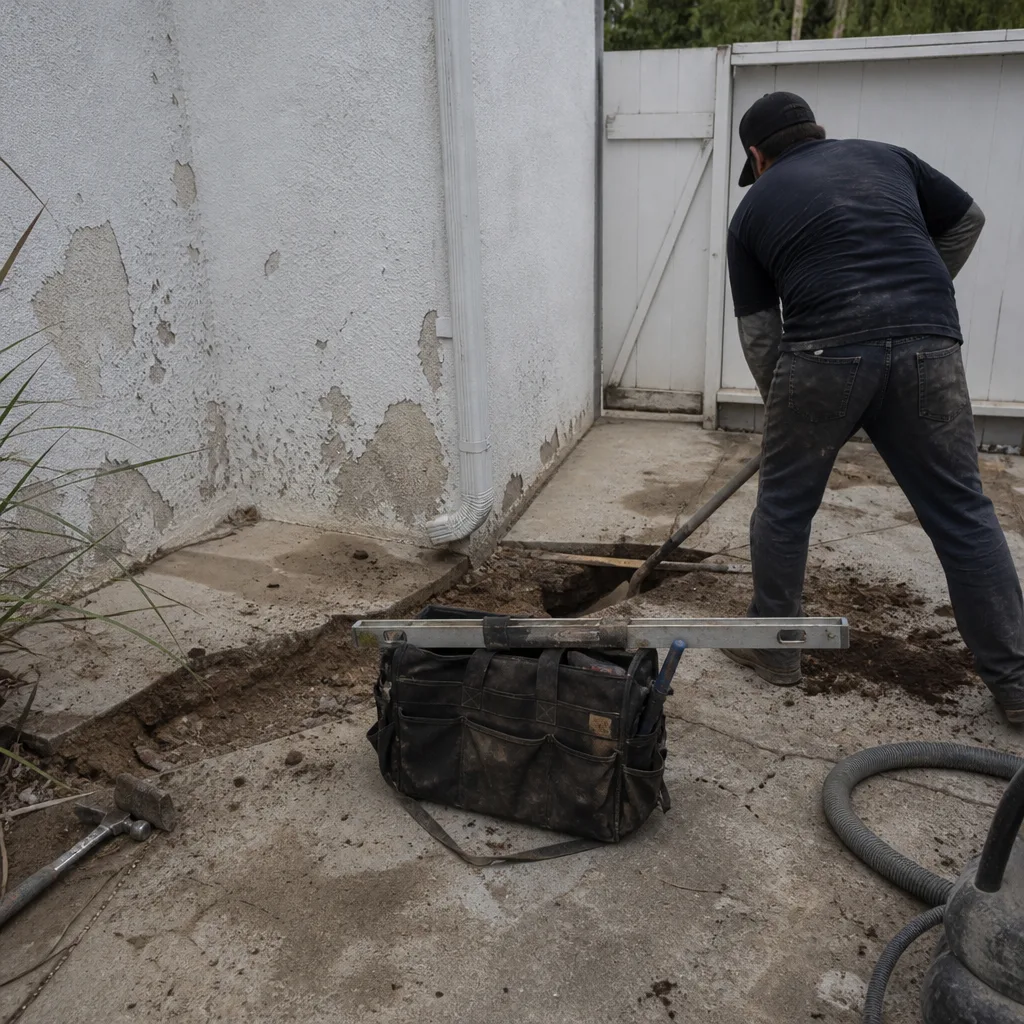 Before
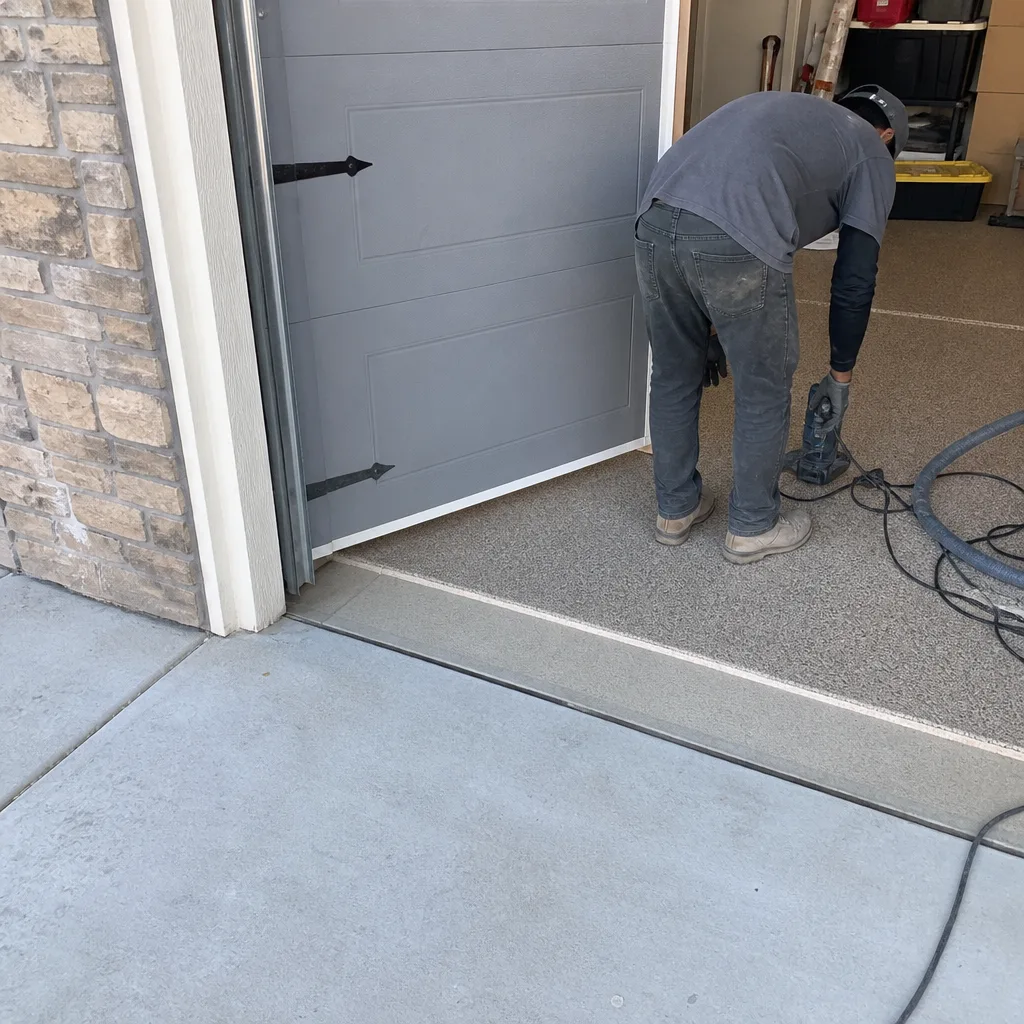 After
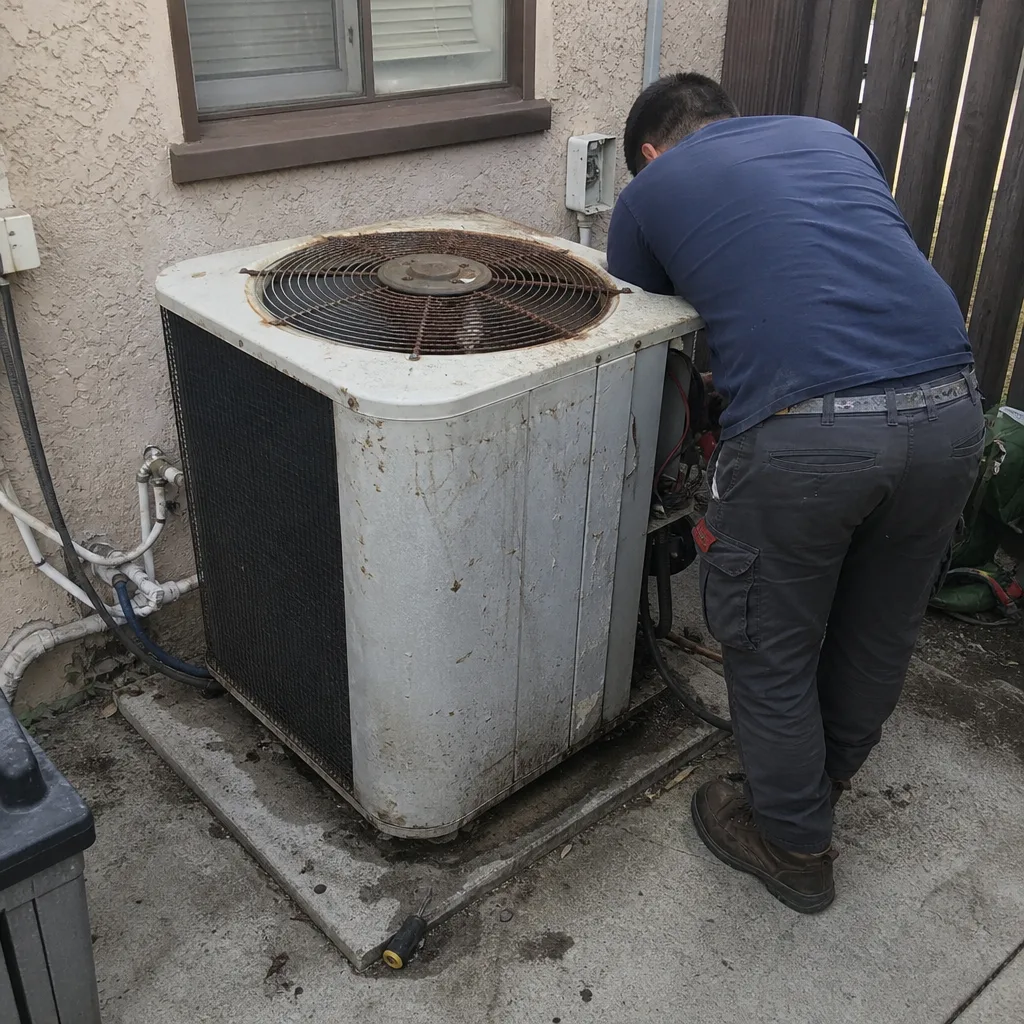 Before
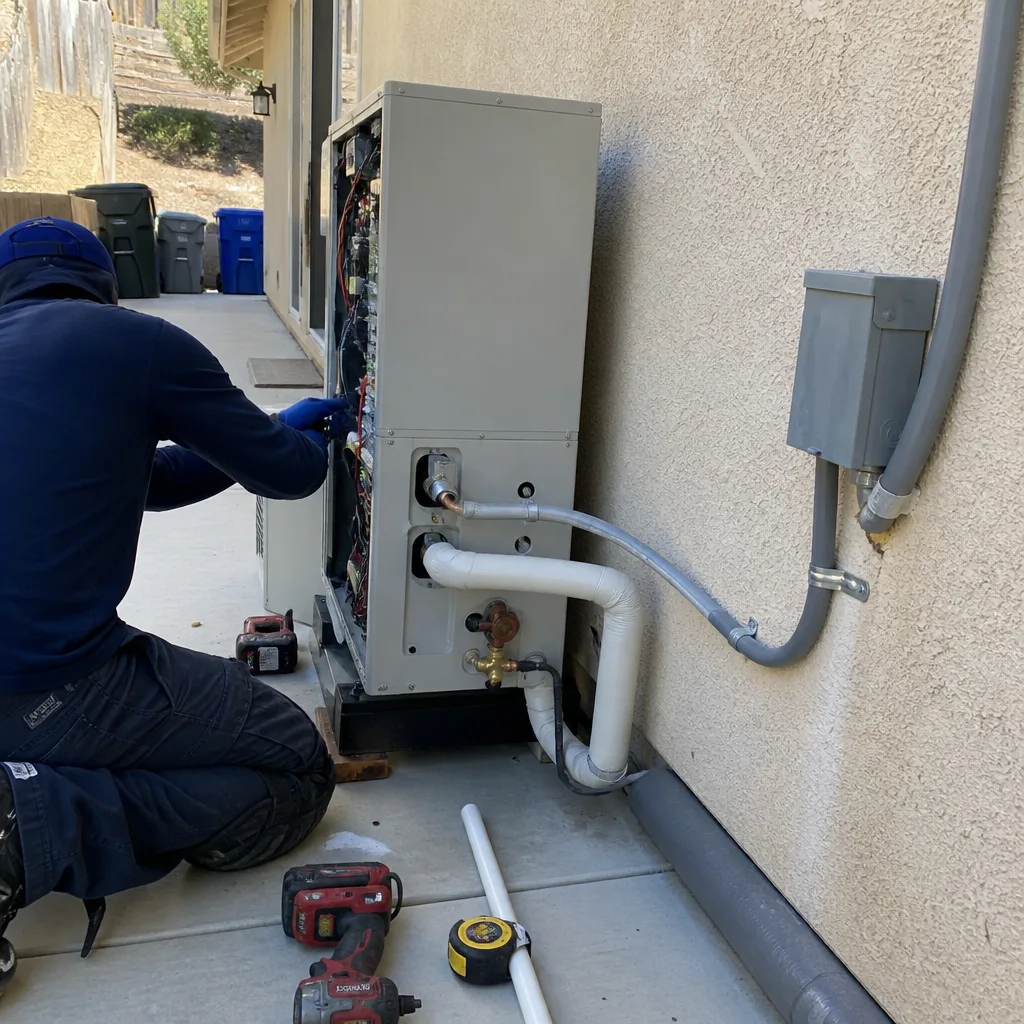 After
 Before
 After