
Last updated October 31, 2026
 Kitchen remodeling
 Bathroom remodeling
 Home additions & ADU
 Roofing
 Windows & doors
 Driveway & pavers
 Fence
Free written scope consultation - allowances, timeline, and change-order rules on paper before a single trade is scheduled
Construction Permits, Codes & Inspections in CA: What You Need to Know
Here’s a fact most California homeowners learn the hard way: there is no single “California permit.” The state publishes building codes, but it does not enforce them. Your city, county, or special district does. An ADU permitted and built in the City of Temecula can be code-compliant in every detail and still require a completely separate approval process if the parcel is in Riverside County’s unincorporated zone. That distinction can add months to a project. This guide explains how California’s permit system actually works at the local level, which projects require permits, what inspectors can and cannot flag, and how unpermitted work comes back to haunt you in a sale, an insurance claim, or a future remodel.
Quick Answer
California building permits are issued and enforced locally, not by the state. Whether your Temecula-area property falls under the City of Temecula, Riverside County, or the Temecula Community Services District (TCSD) determines which codes apply, what paperwork you need, and how long approval takes. Most structural, electrical, plumbing, and mechanical work requires a permit; cosmetic finishes generally do not. The fastest way to avoid a costly mistake is to confirm jurisdiction before you plan, because permit rules do not transfer from one agency to the next. For more guidance, see our Construction Warning Signs: A Temecula Homeowner’s Reference Guide.
Styles & brands we work with
Table of Contents
- Step 1: Figure Out Which Agency Actually Governs Your Parcel
- Which Projects Legally Require a Permit in California
- What Homeowners Commonly Assume Needs a Permit (But Often Doesn’t)
- How AB 2097 and ADU Streamlining Laws Changed Temecula Permits
- What Happens During an Inspection (and What Inspectors Can’t Flag)
- Unpermitted Work: How It Surfaces in Sales, Insurance, and Financing
- A Realistic Permit Timeline: What Adds Weeks and What Adds Months
- What Permits Cost and Why the Permit Is the Cheapest Part of the Job
Step 1: Figure Out Which Agency Actually Governs Your Parcel
Before you sketch a single wall or order a single window, you need to answer one question: who has legal authority over this address? In the Temecula area, the answer is one of three agencies, and they operate from different code books with different fees, timelines, and interpretations.
Here is the jurisdictional map we walk every client through:
- City of Temecula Building & Safety Division – If your mailing address says Temecula and you live within the incorporated city limits, this is your authority. The city adopts the California Building Standards Code (Title 24) with local amendments through its Municipal Code. Plan review times for standard remodels typically run 2 to 4 weeks. ADU reviews run longer.
- Riverside County Building & Safety – Thousands of properties with a Temecula mailing address sit in unincorporated Riverside County. The county enforces Title 24 through its own ordinance structure, and its plan review queue is separate from the city’s. A project that sails through Temecula city review can sit in county review for an additional 30 days, purely because of volume.
- Temecula Community Services District (TCSD) – TCSD handles water, sewer, and certain infrastructure reviews. If your project involves new water service, sewer connections, or drainage changes, TCSD gets a seat at the table alongside the building authority. Many homeowners never hear about TCSD until a permit gets held up on a sewer lateral requirement.
How to confirm your jurisdiction: type your address into the Riverside County parcel viewer tool. If your parcel shows “City of Temecula” as the governing jurisdiction, you work with the city. If it shows “Unincorporated Riverside County,” you work with the county, even if Temecula is on your mail. This single check takes five minutes and prevents weeks of wasted plan preparation.
Which Projects Legally Require a Permit in California
California Building Code Section 105 makes the rule simple: any construction, alteration, repair, or demolition that involves structural, electrical, plumbing, or mechanical work requires a permit, unless the code explicitly exempts it. The problem is that homeowners consistently underestimate what “structural” and “mechanical” mean in practice.
Here is what actually requires a permit, including the items that surprise people most:
- Kitchen remodels – Any project that moves a sink, adds a circuit, relocates a gas line, or removes a load-bearing wall. In practice, that means nearly every kitchen remodel we quote involves a permit. A cosmetic refresh that keeps all plumbing and electrical in place may not.
- Bathroom remodels – Same logic applies. Swapping a vanity and re-tiling the shower enclosure without touching plumbing behind the wall may fly under the radar in some jurisdictions. Moving a drain line, adding an exhaust fan that requires new ducting, or replacing a tub with a shower needs a permit in Temecula and Riverside County.
- Window replacements – Yes, even retrofit windows. California energy code (Title 24 Part 6) treats window replacement as an energy compliance event. The permit verifies the new windows meet U-factor and SHGC requirements for your climate zone. Temecula sits in climate zone 10, which has specific glazing requirements.
- Water heater swaps – This is the one homeowners miss most often. Any water heater replacement requires a plumbing and mechanical permit. The inspection verifies the seismic strapping, the venting, the temperature-pressure relief valve, and the drain pan. Missing this permit is common, and it surfaces on nearly every home sale.
- Electrical panel upgrades – A panel replacement or service upgrade from 100 amps to 200 amps requires an electrical permit. This is non-negotiable in every California jurisdiction. The utility will not reconnect service without a signed-off permit.
- Roof replacements – Most reroofing projects require a building permit. Some jurisdictions allow a residential reroof over a single layer of existing shingles without a permit in very limited cases, but Temecula and Riverside County both require permits for full replacements. The permit verifies nailing patterns, underlayment, and ventilation.
- Fences over 7 feet – California Building Code requires a permit for any fence over 7 feet tall. Fences at 6 feet or below generally do not require a building permit, though HOA rules and setback requirements still apply.
- ADUs and detached structures – Any accessory dwelling unit, regardless of size, requires a full permit. Detached structures over 120 square feet also require permits. Sheds under 120 square feet generally do not, provided they have no plumbing or electrical.
- Hardscaping with drainage impact – A patio or walkway that does not change drainage patterns can often be done without a permit. But if your hardscaping project alters grade, adds retaining walls over 4 feet (measured from the bottom of the footing to the top of the wall), or changes where stormwater flows, you need a permit and possibly a grading plan.
- HVAC system replacements – Furnace and AC replacements require mechanical permits. The inspection covers duct sizing, combustion air, refrigerant line installation, and Title 24 energy compliance.
One note from our experience as a General Contractor in Temecula: clients sometimes assume that hiring a licensed contractor means permits are handled automatically. That is not always the case. Some contractors will happily work without permits to save time. The permit is ultimately the property owner’s responsibility, and the liability for skipped permits lands on the owner, not the crew.
What Homeowners Commonly Assume Needs a Permit (But Often Doesn’t)
Just as many projects require permits that homeowners do not expect, the reverse is also true. Several categories of work are commonly assumed to need permits but fall under the exemptions in California Building Code Section 105.2.
Work that typically does not require a permit:
- Cosmetic interior finishes – Painting, wallpaper, trim, crown molding, and flooring replacement (unless subfloor structure is involved) do not require permits. Neither does replacing cabinet doors and drawer fronts while keeping the cabinet boxes in place.
- Countertop replacement – Swapping out a countertop without changing plumbing fixtures, sink location, or electrical is a cosmetic change. If you swap the sink or faucet and reconnect to existing supply and drain lines, most jurisdictions still treat it as exempt. This is relevant for clients choosing Cambria, Silestone, Caesarstone, or other countertop brands we offer.
- Cabinet refacing or replacement in place – If the new kitchen layout keeps the sink, appliances, and electrical exactly where they are, this may not require a permit. The moment you move a sink, add a pot filler, or relocate a range, the permit requirement kicks in.
- Fences at 7 feet or below – Standard 6-foot privacy fences do not need a building permit in Temecula or Riverside County. You still need to verify property lines and check HOA restrictions, but the building department is not involved.
- Concrete flatwork without drainage changes – A new driveway, walkway, or patio slab that maintains existing drainage patterns and does not attach to the structure is generally exempt. Once you change grade or build a structure on top of it, the rules shift.
- Window coverings and screens – Interior blinds, shutters, and screens do not require permits. New windows themselves do, as covered above.
The gray areas are where we see homeowners get burned. The safest approach when a project lands in the gray zone: call the building department and ask. Both the City of Temecula and Riverside County Building & Safety have counter staff who answer these questions over the phone. A five-minute call saves you from discovering an unpermitted issue at closing three years from now. If you are planning a home remodeling project in Temecula, we help clients determine the real permit triggers during the estimate phase, before any work is scheduled.
How AB 2097 and ADU Streamlining Laws Changed Temecula Permits
California has been systematically stripping local governments of their ability to slow down ADU construction for over a decade, and the result is a permit landscape for accessory dwelling units that looks very different from the one that applies to a kitchen remodel or a second-story addition.
The two laws that matter most for Temecula homeowners:
AB 2097 (2022) – This law eliminates minimum parking requirements for residential and commercial projects located within half a mile of a major transit stop or in a low-vehicle-mileage area. In practical terms for Temecula, this means many ADU projects no longer need to dedicate space to an additional parking spot. That single change can make the difference between an ADU that fits on a narrow lot and one that does not. Before AB 2097, a 600-square-foot ADU in central Temecula might have required 400 square feet of paved parking. Now that requirement is gone in eligible zones.
State ADU permitting time limits – State law now requires local agencies to act on a complete ADU application within 60 days. If the city or county fails to act, the permit is deemed approved by default (with some caveats). This is a hard deadline that did not exist a few years ago. The City of Temecula has adjusted its internal workflows to comply, but unincorporated Riverside County parcels still face longer queue times in practice, because staffing has not kept pace with ADU application volume.
What these laws do not change: set backs, fire safety requirements, utility connection fees, and HOA restrictions still apply. TCSD still reviews water and sewer capacity for any ADU that adds a bathroom or kitchen. And if your parcel is in a fire zone designated Very High Fire Hazard Severity, additional defensible space and ember-resistant construction requirements apply, regardless of what the state streamlining laws say.
We are one of the few general contractors in the Temecula market that offers both conventional stick-built ADUs and prefabricated ADU options through manufacturers like Abodu, Dvele, Mighty Buildings, and Boxabl. Not sure which path fits your project? Our DIY vs Professional Construction: The Temecula Homeowner’s Decision Guide breaks down the key considerations. The prefab path can shorten on-site construction time significantly, but it does not bypass the permit process. Prefab ADUs still require the same local permits, the same TCSD reviews, and the same inspections as site-built structures. The time savings come from factory construction running parallel to site preparation, not from skipping review.
What Happens During an Inspection (and What Inspectors Can’t Flag)
Most homeowners have never watched a building inspector work, and the process is less mysterious than it sounds. Here is what actually happens.
The inspection sequence for a typical remodel or addition follows the construction order:
- Foundation or rough grading inspection – For additions and new structures, before concrete is poured. The inspector checks formwork, rebar spacing, and anchor bolt placement against the approved plans.
- Rough framing inspection – After the walls and roof are framed but before insulation and drywall go up. The inspector checks lumber sizes, nailing schedules, hold-down hardware, shear wall details, and header sizes. In Temecula’s seismic zone, shear wall and hold-down details get extra scrutiny.
- Rough electrical, plumbing, and mechanical inspections – Before walls are closed. Inspectors verify wire gauge, circuit placement, GFCI/AFCI requirements, pipe sizing, venting, and gas line pressure testing. These are typically three separate inspections, sometimes scheduled on the same day.
- Insulation inspection – Before drywall. The inspector verifies R-values match the energy calculations from your Title 24 report.
- Final inspection – After all work is complete. The inspector verifies the finished work matches the approved scope, checks safety devices (smoke detectors, carbon monoxide detectors, GFCI outlets), and confirms all prior corrections were completed.
What inspectors are actually authorized to flag is narrower than most homeowners assume. An inspector cannot fail your project because they do not like your paint color. They cannot flag work outside the permitted scope. They cannot enforce HOA rules, deed restrictions, or neighbor disputes. Their authority is limited to the specific code provisions and the specific plans filed with the permit.
That said, inspectors have wide latitude to flag anything they see that creates a life-safety hazard, even if it is outside the direct scope of the permit. An electrical inspector who notices a failed smoke detector in a hallway can flag it. A building inspector who notices an unsafe deck connection can require correction before signing off on an unrelated permit. This is a feature, not a bug: the inspection process is the last line of defense against construction defects.
Unpermitted Work: How It Surfaces in Sales, Insurance, and Financing
Unpermitted work is the most expensive money a homeowner ever saves. The problem is not that the building department is going to knock on your door (they will not). The problem is that unpermitted work creates a chain of liabilities that surfaces exactly when you are most financially exposed.
Here is where unpermitted work comes back to bite:
Home sales. California residential purchase agreements now include specific disclosure questions about unpermitted work. Sellers who answer honestly scare off buyers or get pressed on price. Sellers who answer dishonestly expose themselves to rescission and fraud claims after closing. In the Temecula market, where homes sell quickly but buyers are increasingly doing their own due diligence, unpermitted square footage is the single most common deal-killer we hear about from agents. An unpermitted sunroom, an unpermitted bathroom addition, or a water heater swapped without a permit all show up in buyer inspections and listing disclosures.
Insurance claims. If a water heater installed without a permit fails and floods your home, your carrier can deny the claim on the basis that the work was never inspected. The same applies to electrical work: an unpermitted panel upgrade that causes a fire is a ready-made coverage denial. Insurers do not need to prove the unpermitted work caused the damage in many cases. They simply point to the policy exclusion for uncertified modifications.
Future financing. Lenders financing a remodel or addition will require permit records. If you are trying to get a HELOC or a renovation loan and the lender discovers unpermitted work, two things happen: the appraisal comes in lower because unpermitted square footage cannot be counted as living area, and the lender may require the work to be permitted retroactively before funding.
Retroactive permitting. It is possible to bring unpermitted work into compliance, but the process is not friendly. You open walls to expose plumbing, electrical, and framing. You pay fees that are often double the original permit cost. You correct any work that does not meet current code, even if it met code when it was originally built. A wall covered in drywall hides an unpermitted wire just fine until you have to cut it all open.
The math is simple: the permit fee is the cheapest line item in any remodel. Skipping it trades a three-digit cost for a five-figure risk.
A Realistic Permit Timeline: What Adds Weeks and What Adds Months
Homeowners consistently underestimate how long permits take, and builders consistently over promise. Here is a realistic timeline for a typical interior remodel in Temecula, based on what we see across our home renovation projects in Temecula:
Standard kitchen or bathroom remodel:
- Plans and Title 24 energy calculations: 1 to 2 weeks
- Plan review at City of Temecula: 2 to 4 weeks
- Permit issuance: 1 week after plan approval
- Total before construction starts: 4 to 7 weeks
Additions and structural work:
- Plans, structural engineering, Title 24: 3 to 6 weeks
- Plan review: 4 to 8 weeks
- Permit issuance: 1 to 2 weeks
- Total before construction starts: 8 to 16 weeks
ADUs:
- Plans, engineering, TCSD review, fire department review if applicable: 6 to 12 weeks
- Plan review by city or county: 4 to 8 weeks (state law caps at 60 days for complete ADU applications, but the clock starts when the application is deemed complete, not when submitted)
- Permit issuance: 2 to 4 weeks
- Total before construction starts: 12 to 24 weeks
The variables that add the most time: incomplete applications (the single biggest source of delay), unincorporated Riverside County jurisdiction (slower queues than incorporated Temecula), TCSD reviews on sewer or water work, fire department reviews in high-severity zones, and HOA approvals, which run on their own clock entirely separate from the building department.
What Permits Cost and Why the Permit Is the Cheapest Part of the Job
Permit fees are established by each jurisdiction and updated by ordinance. The numbers below reflect the ranges we see across City of Temecula and Riverside County projects as of this writing. Your specific fee depends on project valuation, square footage, and the number of fixtures or circuits involved.
- Water heater replacement permit: $80 to $200
- Furnace or AC replacement permit: $120 to $300
- Electrical panel upgrade permit: $150 to $400
- Window replacement permit (whole house): $200 to $600
- Kitchen or bathroom remodel permit: $400 to $2,000 depending on scope
- Roof replacement permit: $300 to $900 based on square footage
- Addition or ADU permit: $3,000 to $12,000 depending on size, plus school impact fees for new square footage
Here is the perspective that matters: a failed inspection on a water heater costs the homeowner nothing beyond the repair. Stay ahead of issues with our General Contractor Maintenance Checklist for Temecula Homeowners. A flooded house from an unpermitted water heater costs the deductible plus the premium increase plus the uninsurable loss. The permit is the cheapest insurance policy you will ever buy on a construction project.
When you work with a licensed general contractor on a Sycamore Contractors home project, the permit line item is spelled out in your estimate. You see exactly what the city charges, exactly what the Title 24 provider charges, and exactly what the admin time costs to pull and close the permit. There is no invisible mark-up and no last-minute surprise.
Common Mistakes to Avoid
- Assuming your brother-in-law’s handyman can pull the permit in his name. In California, only a licensed contractor or the property owner can obtain a permit. An unlicensed handyman cannot. If your contractor asks you to pull the permit in your name so he can work “under your permit,” that is a red flag about his licensing status.
- Starting demolition before plan review is approved. The building department only issues the permit after plan review passes. Demo before permit issuance means unpermitted demolition, which triggers stop-work orders and doubling of permit fees in both Temecula and Riverside County.
- Buying materials before confirming jurisdiction. A window package that meets City of Temecula requirements may not meet Riverside County’s stricter energy thresholds. Ordering before you know the governing agency is a costly gamble.
- Trusting verbal okayays from building department counter staff. Counter staff are helpful but their verbal advice is not binding. If a question matters, get the answer in writing or ask for the code section reference. Verbal guidance has zero weight when a different inspector shows up to the site.
- Letting finish work go in before the insulation or rough inspections are signed off. Drywall over uninspected plumbing and electrical means tearing the drywall back out. In Temecula’s inspection queue, missing a rough inspection can add a week to your project.
- Skipping the permit on a water heater because it is “just a swap.” Water heater replacements are the most frequently unpermitted project in California. They surface on every home sale and there is no excuse for it: the permit is under $200 and the inspection takes fifteen minutes.
- Believing an ADU is exempt from TCSD review because the state streamlined ADU permits. State law streamlined building department reviews. It did not waive utility capacity reviews, sewer lateral requirements, or fire department sign-offs.
See the difference
 Before
 After
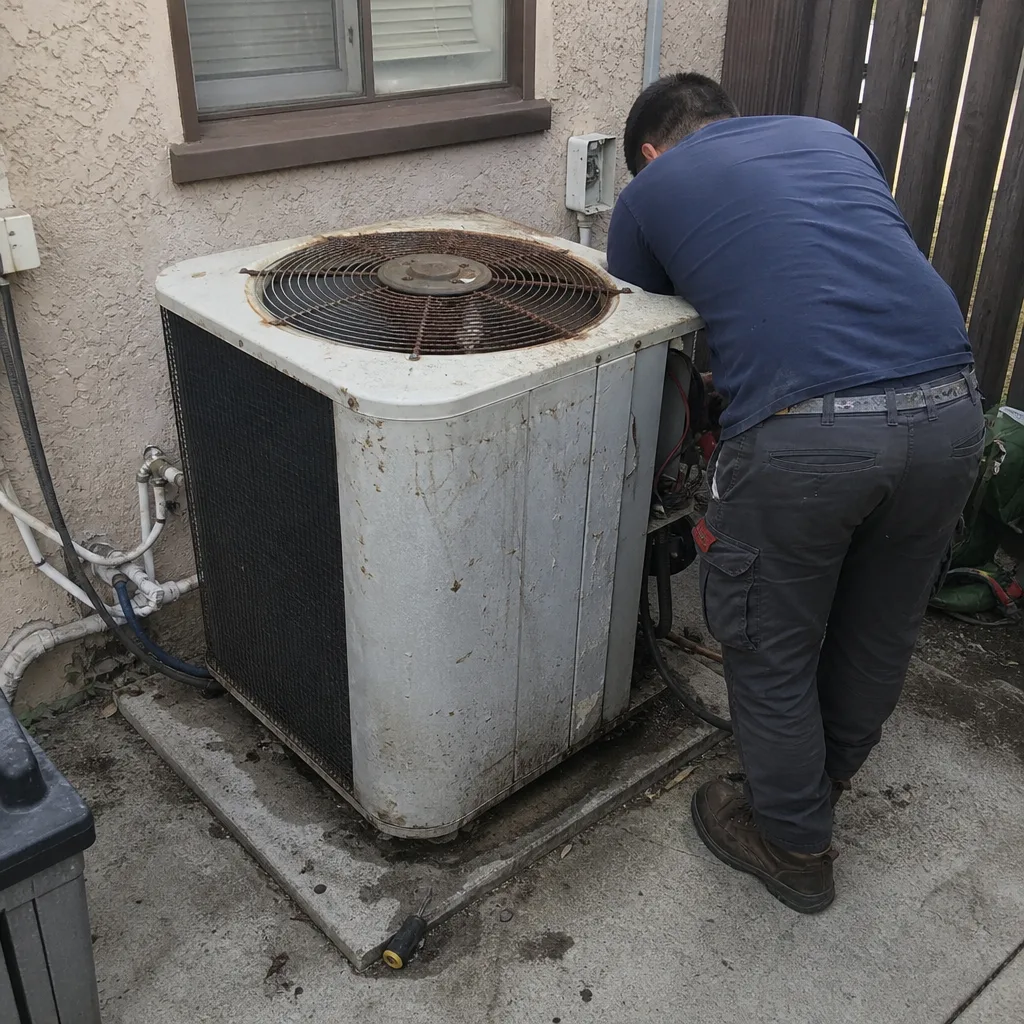 Before
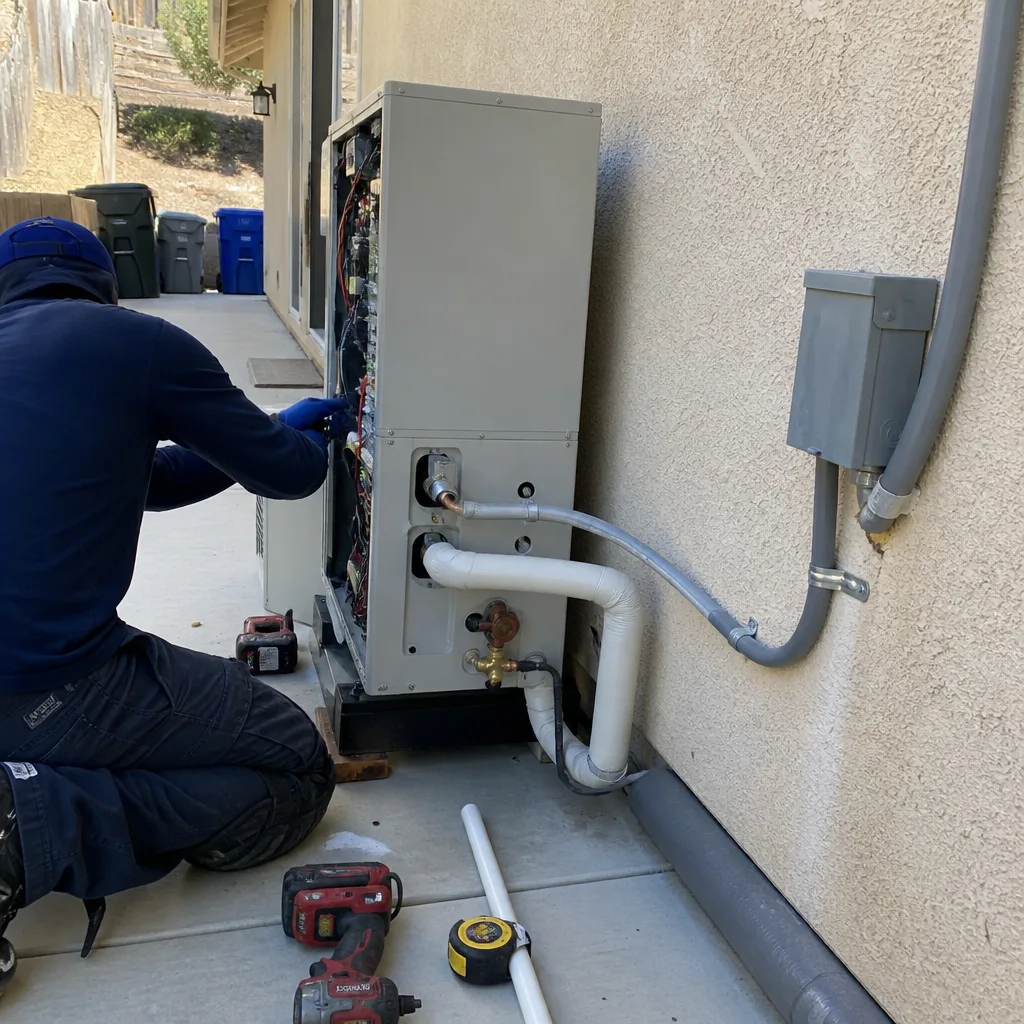 After
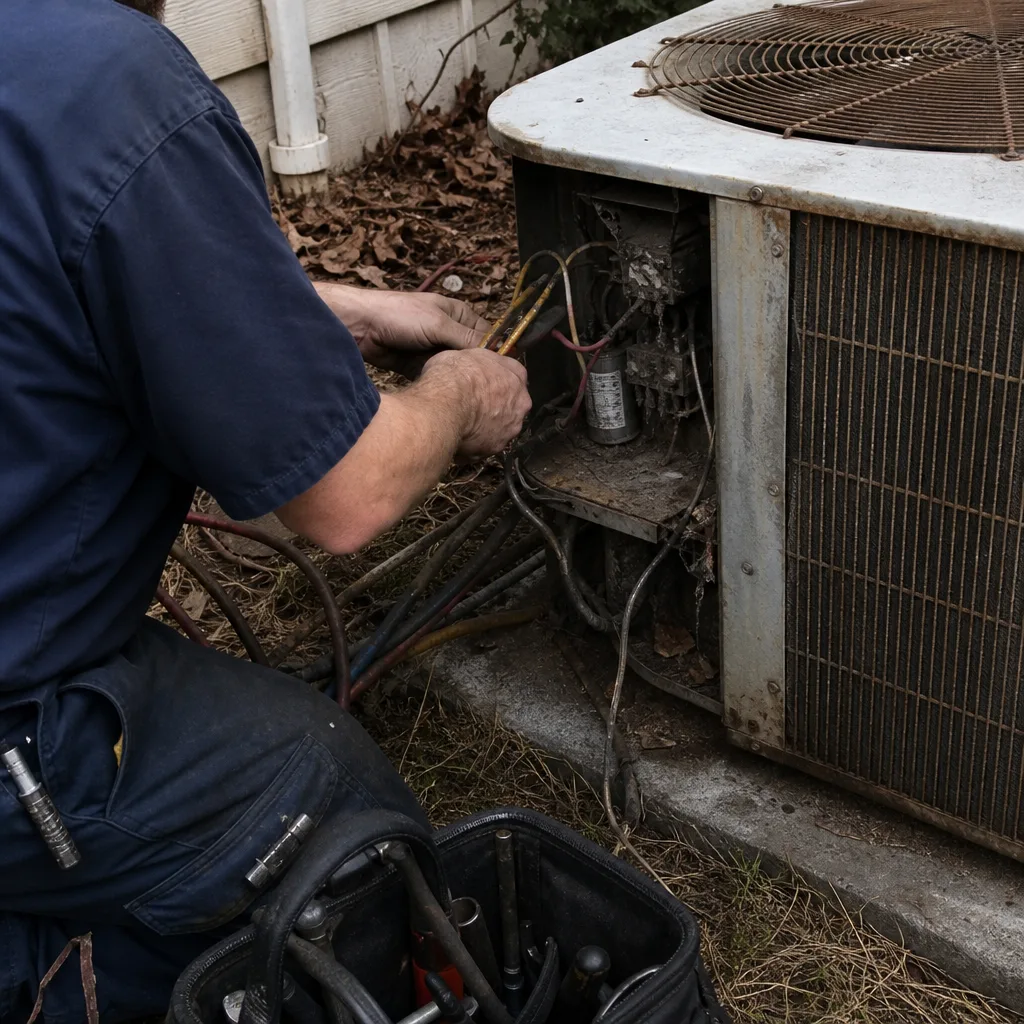 Before
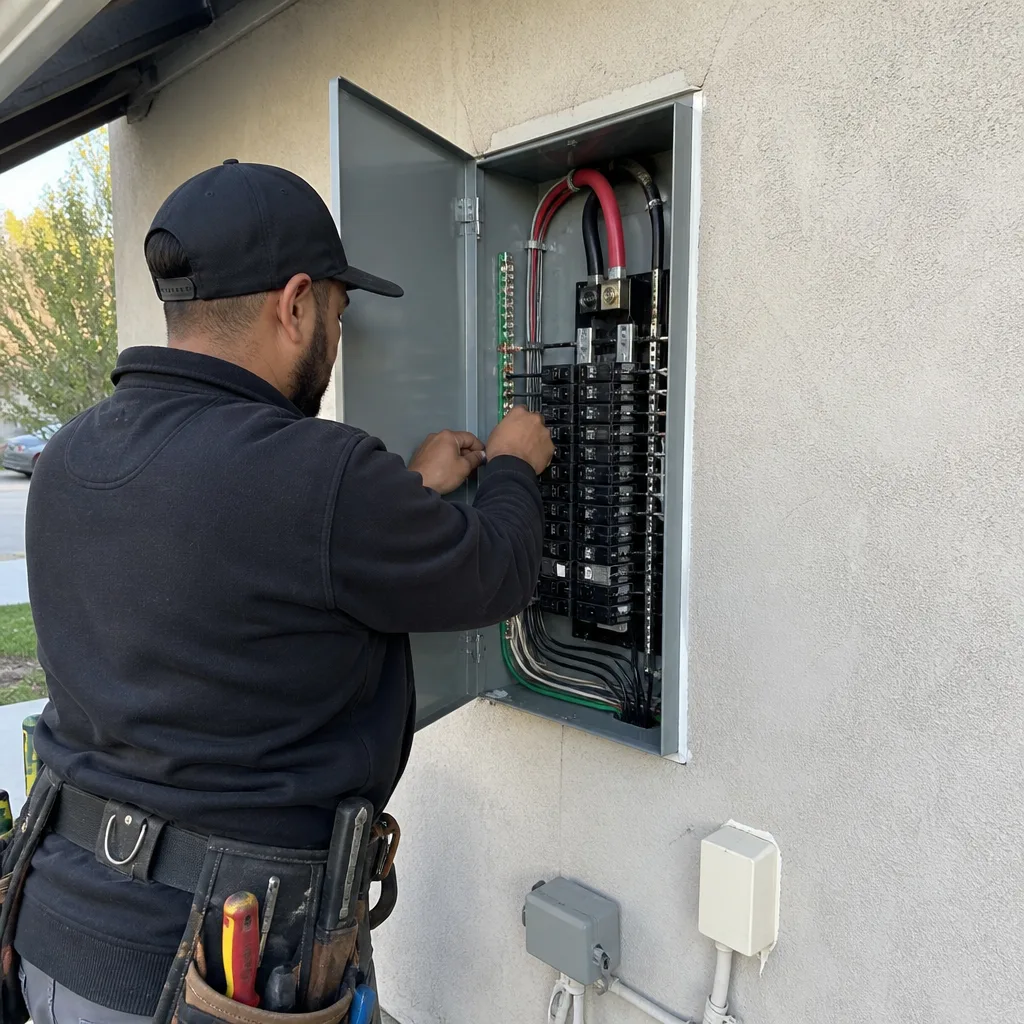 After
When to Call a Professional
Any project that involves structural changes, electrical service changes, or plumbing relocation is not a weekend project, and the permit alone will not save you from a bad plan. If you are opening walls, adding square footage, or building an ADU in the Temecula area, you need a general contractor who knows which jurisdiction governs your parcel and which plan reviewer will be looking at your drawings. Sycamore Contractors offers free estimates in Temecula, and we walk every client through the permit scope during the estimate phase, before any commitment is made. Call (877) 265-6284 and we will tell you honestly which permits your project needs, which ones it does not, and what the timeline looks like.
Frequently Asked Questions
If your kitchen remodel moves plumbing, electrical, gas lines, or structural walls, you need a permit from the City of Temecula or Riverside County, depending on your parcel. A cosmetic refresh that keeps the sink, range, and electrical exactly where they are may avoid the permit requirement, but the moment you relocate a fixture or add a circuit, the permit trigger is pulled. Call (877) 265-6284 for an exact scope review, our estimates are free.
A standard kitchen or bathroom remodel permit in the City of Temecula typically takes 4 to 7 weeks from plan submission to permit issuance. Additions and structural work run 8 to 16 weeks. ADUs run 12 to 24 weeks depending on TCSD review, jurisdiction, and fire zone. The biggest variable for most homeowners is whether their parcel falls under city or unincorporated county jurisdiction.
You can sell a house with unpermitted work, but you must disclose it, and the buyer will likely demand a price reduction or require retroactive permitting. Unpermitted square footage cannot legally be counted in the listing. In Temecula’s market, unpermitted additions and unpermitted water heater swaps are the two most common deal complications we see.
Yes. A full roof replacement requires a building permit in both the City of Temecula and unincorporated Riverside County. The permit verifies underlayment, nailing patterns, ventilation, and compliance with current roofing code. Some limited overlay situations may have case-by-case exemptions, but full tear-off replacements always require a permit.
If your contractor skips the permit, you are the one who owns the liability. The unpermitted work surfaces on sale disclosures, insurance claims, and future refinancing. You may also be required to pull a retroactive permit, pay double fees, and open walls for inspection. A licensed contractor who suggests skipping the permit is telling you he is willing to put your liability below his schedule.
Permit costs vary by project scope and jurisdiction. A water heater permit runs $80 to $200, a kitchen or bath remodel runs $400 to $2,000, and an ADU runs $3,000 to $12,000. The permit is consistently the cheapest line item in any project relative to the risk it eliminates. Call (877) 265-6284 for a scope-specific estimate.
The Bottom Line
California’s permit system is not one system. It is a patchwork of local agencies enforcing a state codebook through their own processes, timelines, and interpretations. In the Temecula area, the first question is always: city, county, or TCSD? The second question is: what does this specific scope actually require? Most structural, plumbing, electrical, and mechanical work needs a permit. Most cosmetic work does not. Unpermitted work is an expensive future problem, and unpermitted water heaters are the most common one we see. Get jurisdiction confirmed, get the permit, get the inspection, and your renovation is protected for the life of the structure. For more guides & resources on navigating Temecula construction, explore our blog. Skip one of those steps and you are underwriting your own risk.
Written by the team at Sycamore Contractors, serving Temecula since 2018.