
Last updated October 31, 2026
 Home additions & ADU
 Kitchen remodeling
 Bathroom remodeling
 Roofing
 Windows & doors
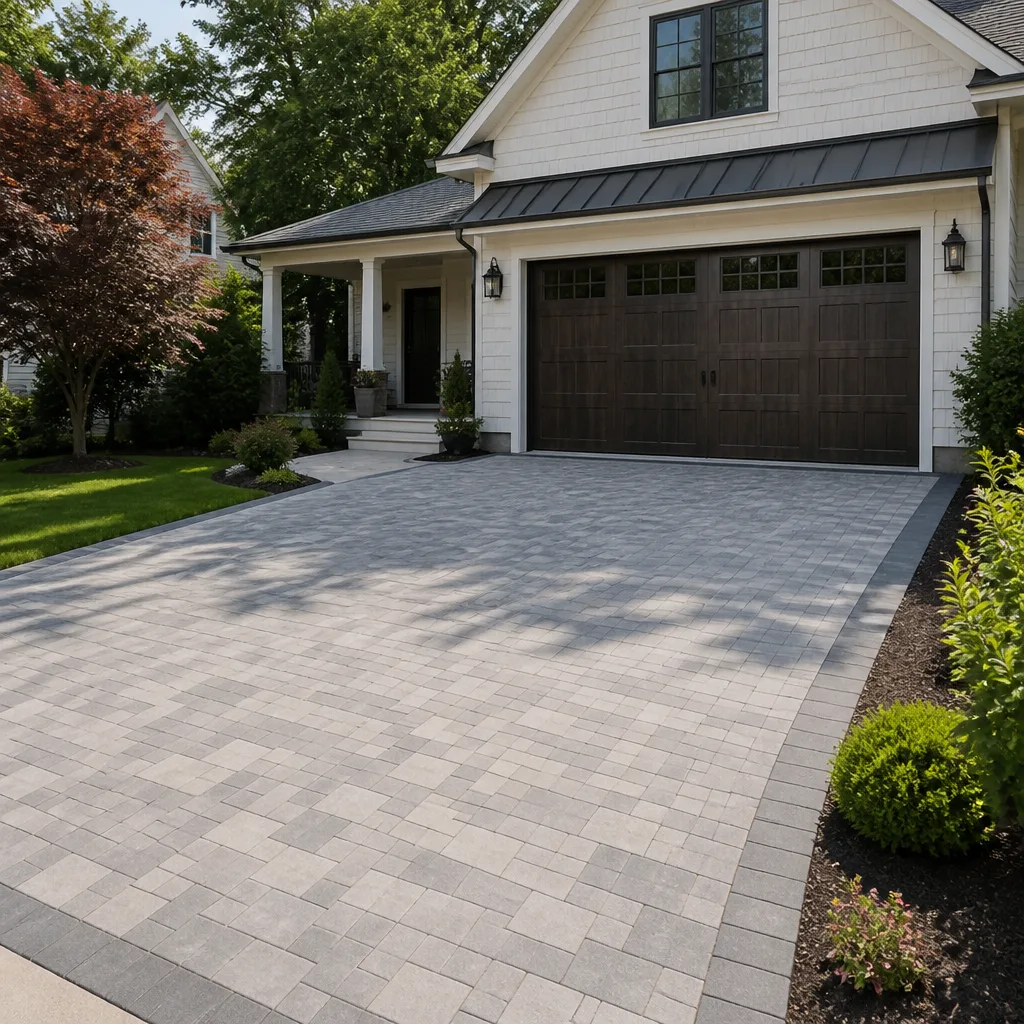 Driveway & pavers
 Fence
Free written scope consultation - allowances, timeline, and change-order rules on paper before a single trade is scheduled
DIY vs Professional Construction: The Temecula Homeowner’s Decision Guide
Most homeowners think the DIY-versus-hire question comes down to skill: can I run a saw straight, can I read a tape measure, can I make drywall seams disappear. That’s the easy part. The harder question, and the one that actually costs Temecula homeowners real money, is whether the project carries legal exposure, insurance risk, or resale liability that makes even a flawless amateur job a financial problem. This guide, alongside our How to Hire a Construction Contractor in Temecula: A Step-by-Step Guide, is about drawing that line correctly in the Temecula specific market, where HOAs are aggressive, inspectors see the same unpermitted work patterns year after year, and buyers’ agents know exactly what to flag during escrow. You’ll learn which projects genuinely make sense to do yourself, which ones don’t, and how to tell the difference before you spend a dollar.
Quick Answer
For Temecula homeowners, the DIY-versus-professional decision comes down to three questions: does the work require a permit, does it touch a system your insurer can tie to a future claim, and will it show up as a red flag during a resale inspection. Cosmetic interior work and simple landscaping are generally safe DIY territory. Electrical, structural, roofing, and gas work are not, because the liability exposure in California outweighs any labor savings and unpermitted work can void insurance coverage or stall a sale.
Styles & brands we work with
Table of Contents
- The Real Risk: What Unpermitted Work Actually Costs in Temecula
- The California Owner-Builder Exemption: What It Really Means
- Where DIY Actually Makes Sense in Temecula
- Where Professional Execution Is Non-Negotiable
- The Temecula HOA Factor: Architectural Review Is Separate From Permits
- How to Actually Compare DIY Costs to a Contractor Bid
- Resale Liability: What a Home Inspector Will Find
- A Decision Flow: Seven Questions Before You Start
The Real Risk: What Unpermitted Work Actually Costs in Temecula
Here’s the counterintuitive truth most DIY guides skip: the most expensive part of doing your own work isn’t the materials or the tools or the mistakes. It’s the liability you don’t see until it bites. In California, if you modify a home system without a permit and that system later fails, your homeowner’s insurance can deny the claim even if the failure seems unrelated to your specific work. An insurer doesn’t need to prove your amateur wiring caused the fire. They need to show you modified the electrical system without inspection, and the claim involves the electrical system. That’s a low bar, and Temecula adjusters walk over it routinely.
We’ve walked into too many Temecula homes, from Wolf Creek to Vintage Hills, where a homeowner did sharp-looking work that had no paper trail. The tile looks great. The recessed lighting looks professional. Then the escrow report comes back with “unpermitted modification observed,” and the buyer’s lender pauses the deal. Now the seller is negotiating a price reduction or running to the city to pull an after-the-fact permit, which in Temecula means opening walls for inspection, not just paying a fee. A project that saved $1,800 in contractor labor just cost $6,000 in escrow concessions and three weeks of delay.
The General Contractor in Temecula you hire should be able to explain this liability before a single wall opens. If they can’t, they’re not the right contractor. The risk profile isn’t about whether your work passes a visual test. It’s about whether it passes a records test, and that’s a test only permits and inspections can satisfy.
The California Owner-Builder Exemption: What It Really Means
California law includes something called the owner-builder exemption. Homeowners who live in the property can pull their own permits and act as their own general contractor on certain projects. That sounds like a green light for DIY, and in narrow cases it is. But the exemption carries three obligations most Temecula homeowners don’t discover until they’re standing in front of them. Here’s what it actually requires.
What the Owner-Builder Exemption Allows
First, you can pull a permit in your own name for work on a property you occupy. Second, you can hire subcontractors directly, though those subs must carry their own licenses for their specific trades. Third, you can do some or all of the physical work yourself, provided the city’s building department accepts your plans and inspects your rough work the same as it would inspect a licensed contractor’s. The exemption is not a shortcut around code. It’s a recognized path for a homeowner to serve as the general contractor of record, and it legally exists for good reason. A homeowner who understands framing and has time to manage a bathroom project should be able to do that without hiring a GC to babysit subs they can hire themselves.
What It Prohibits and What It Triggers
Here’s where it gets dangerous, and where we see Temecula homeowners get burned. The owner-builder exemption does not exempt you from code compliance. It does not exempt you from pulling permits when a permit is required. It does not let you perform work you’re not competent to perform safely. And it creates two specific downstream obligations that survive the project itself, and these are the two that matter most.
- Resale disclosure. California requires you to disclose to a buyer any work you performed as owner-builder during the previous three years. You sign a disclosure form listing the scope of work, the permits pulled, and who performed the electrical, plumbing, and structural components. If you fail to disclose, you’ve created a lawsuit vector. Buyers’ attorneys in Riverside County know this form exists and know when it hasn’t been filled out.
- Inspection responsibility. The owner-builder is responsible for scheduling roughly one inspection for every major system the project touches. Missed inspections mean incomplete permit records. Incomplete records mean the same resale problem described above, even if the work itself is excellent.
If you’re considering the owner-builder route for a larger project, like a whole-home renovation or an ADU, talk to a licensed contractor first about what that path actually entails in Temecula. The Home Remodeling in Temecula process is fundamentally different when someone who does this professionally manages the permit sequence, the inspections, and the documentation. The savings you imagine from not paying a GC often disappear into the time and risk of managing it yourself, especially on a project that spans multiple trades.
Where DIY Actually Makes Sense in Temecula
Before this guide starts sounding like an ad for hiring a contractor for everything, let’s be honest about where DIY genuinely works. Temecula’s climate makes certain projects more forgiving than they’d be in harsher environments. The dry heat and mild winters mean exterior paint cures predictably, outdoor structures don’t fight freeze-thaw cycles, and you rarely have to race weather windows the way a homeowner in the Pacific Northwest or the Midwest does.
Genuinely Safe DIY Projects
Interior painting is the obvious one. It’s cosmetic, it’s reversible, it doesn’t require a permit in Temecula, and if you hate the color you repaint. Slightly more involved but still reasonable is replacing interior trim and casing. These are finish carpentry tasks that require a miter saw, a finish nailer, and patience. The material is affordable enough that a bad cut costs you five dollars and a trip to Home Depot, not a structural problem.
Landscaping is another category where Temecula homeowners can safely save significant money, with one caveat we’ll get to in the HOA section. Planting, mulching, irrigation adjustments, deer fencing, decomposed granite paths, and minor flatwork like a small patio or walkway all fall into reasonable DIY territory if you’re willing to learn the basics of compaction and drainage. In our experience, the homeowners who struggle with hardscape are the ones who skip the base prep. You can see a bad base layer within a year as the pavers shift and sink. If you’re going to do flatwork yourself, rent a plate compactor and read the Belgard or Unilock installation guide cover to cover before you order a single paver. These manufacturers publish detailed specifications because they want their product to look good in five years, and their instructions are better than any blog tutorial.
The Skill Threshold Test
Before you take on any project, ask two honest questions. First: if this goes wrong, what’s the worst case? Scratched floor, wasted weekend, come back later with a cooler head all fall under acceptable. Gas leak, structure compromised, insurance claim denied all fall under unacceptable. Second: do I own or can I rent the specific tools this requires without the rental cost eating the savings? A wet saw rental for a tile backsplash is reasonable. A commercial-grade seam roller and hot-air welder for sheet vinyl flooring is not, and that’s before you learn the technique.
Here’s the usable heuristic, in list form because it deserves to be scannable.
- Safe DIY: interior paint, trim, baseboards, cabinet hardware, light fixture swaps on existing boxes, landscaping, minor hardscape, deck staining, fence board replacement on existing posts, garage organization, shelving.
- Borderline DIY: tile backsplash, click-lock flooring, interior door replacement, faucet swaps, garbage disposal replacement, minor drywall patching, closet system installation.
- Not DIY: electrical panel work, bathroom or kitchen rough-in, roofing, window replacement, structural modification, gas line work, stucco repair, exterior siding replacement, ADU construction.
The borderline list is where Temecula homeowners most often get in trouble, not because they can’t do the work but because they don’t know the inspection triggers. A faucet swap is easy. Moving a plumbing drain behind a wall means permits and inspections. The visual result looks identical. The liability could not be more different.
Where Professional Execution Is Non-Negotiable
Now the other side of the line. There are project categories in California where DIY execution, even skilled DIY execution, creates unacceptable liability exposure. The work may look perfect, and you’ve still got a problem you can’t see because the problem is in the paperwork and the insurance policy, not the drywall. Here’s the list that matters for Temecula homeowners.
Electrical Panels and Wiring
California’s building code is among the strictest in the country on electrical work. A homeowner can legally replace a switch plate, swap a light fixture on an existing box, and reset a breaker. Anything beyond that, including adding a circuit, moving a panel, or running new wire, requires a permit and an inspection. The reason isn’t bureaucratic. It’s that amateur electrical work is a leading cause of residential fires, and insurance companies know exactly what an amateur splice looks like inside a wall. If a fire starts in a wall cavity where you ran your own wiring, unpermitted, your insurer will likely deny the claim and you’ll be left holding the mortgage on a burned house. No labor savings covers that.
Structural Modification
Removing a wall is the classic DIY disaster. It looks simple. It is not. In a Temecula single-story ranch, that wall may be a load path carrying roof truss loads from a ridge beam down to the foundation. In a two-story home in Redhawk or Morgan Hill, that wall may be carrying half the floor above it. A licensed contractor or structural engineer determines this by looking at the framing above, the truss layout, and the foundation below, not by knocking and listening. If you remove or alter a structural member without a permit and the structure later settles or cracks, your insurance policy’s exclusion for unpermitted structural work applies, and the repair cost is entirely yours. That’s a six-figure exposure on a five-figure project.
Roofing
Temecula’s hot, dry climate is actually harder on roofing materials than a humid climate in some ways, because thermal cycling breaks down adhesives and sealants faster than steady heat. A roof replacement or repair involves nailing patterns, underlayment installation, flashing details around penetrations, and ventilation calculations that affect roof lifespan. Get the nailing wrong and your shingles blow off in the first heavy Santa Ana wind. Get the flashing wrong and you’ll have a slow leak that rots your sheathing for two years before you notice the ceiling stain. A manufacturer like PGT or Atlas publishes installation specs that assume professional competence, and their warranties explicitly exclude failures caused by improper installation. If you install your own roof and it fails, the manufacturer won’t cover it and your insurer may not either. Roofing is the one category where hiring a pro is almost always cheaper than DIY when you amortize the risk.
Gas Lines
This one is brief because it should be. Do not touch gas lines. The margin for error on a gas fitting is zero, the inspection requirement is non-negotiable, and the failure mode is an explosion, not a leaky faucet. A licensed plumber pulls the permit, does the work, and the city pressure-tests the line before it goes live. There is no version of this project where DIY makes sense in 2026.
The common thread across every item on this list is that the work requires a permit, the permit requires competent execution, and the failure mode involves insurance denial or physical danger. These aren’t projects where a contractor is a nice-to-have. They’re projects where a contractor’s license and insurance exist specifically because the risk profile is too high for amateur execution. If you’re weighing a Home Renovation in Temecula that touches any of these systems, the question isn’t whether to hire a pro. It’s which pro, and what their documentation looks like.
The Temecula HOA Factor: Architectural Review Is Separate From Permits
Here’s a Temecula-specific layer that generic DIY guides miss entirely. Many Temecula neighborhoods, from Harveston to Paseo del Sol to the master-planned communities along Butterfield Stage Road, operate under HOAs with architectural review committees. These committees review exterior changes for aesthetic compliance, and their authority is entirely separate from the city’s permit process. You can have a fully permitted, code-approved exterior project that your HOA can still reject or require you to modify.
The sequencing matters. Temecula HOAs generally require architectural review application before you start exterior work, not after. If you replace your front door, repaint your exterior, change your fencing style, or add a hardscape element, you typically need HOA approval first, city permits second if applicable, and then execution. Homeowners who skip the architectural review and start a project the committee later flags can face a stop-work order, a requirement to redo the work to match committee standards, and in some cases fines. All of that is on top of any city permit problem.
What this means for the DIY decision is that any exterior project in an HOA-governed Temecula neighborhood carries a documentation requirement even if it needs no city permit. A deck stain in the wrong color can trigger a violation letter. A fence replacement with a different style than the community standard can be ordered removed. The project that looked like pure savings now has a compliance layer, and that compliance layer is easier to navigate when a contractor who works in Temecula HOAs regularly handles the submission and knows what the review committees in specific communities tend to reject. We’ve seen committee responses vary from community to community, and that local pattern recognition is hard to replicate from a YouTube tutorial.
How to Actually Compare DIY Costs to a Contractor Bid
Most homeowners compare DIY to hiring a pro by looking at the contractor’s labor line and thinking that’s their savings. That comparison is wrong, and it causes bad decisions in both directions, overpaying for work they should’ve done themselves and attempting projects where the real cost equation made DIY a bad deal. Here’s a working methodology we recommend for Temecula homeowners.
The Full DIY Cost Formula
- Materials. Start with the actual material cost, and be honest about upgrade allowances. A homeowner pulling permits for a kitchen usually buys the same quality of plywood a contractor buys. A homeowner buying off the shelf at a big-box store may not. Compare like for like.
- Tools. Add the cost of every tool you don’t already own. A tile saw is $400-$900. A good miter saw is $300-$600. A laser level is $80-$200. Add the rental costs for anything you’ll use once. The tool line item alone kills the savings on many mid-size projects.
- Disposal. Temecula’s waste haulers charge extra for construction debris, and many materials require a dump run or a temporary dumpster. A kitchen demo fills half a dumpster. That’s $250-$500 most homeowners never budget for.
- Time. This is the one everyone underestimates. A contractor’s two-day project is often a homeowner’s two-weekends-plus-evenings project that stretches across a month. If you’re taking time off work to do it, the lost wages belong in the formula. If you’re giving up family time, that’s a cost you can’t price but should still weigh.
- Risk. The liability section above is the risk cost. If the project can create insurance exposure, that’s not zero. If unpermitted work can delay a future sale, that’s not zero either. Temecula homes trade quickly when priced right, but they don’t trade at all with open permit issues.
- Rework. DIY work often needs to be redone, either because the finish quality didn’t meet the homeowner’s own standard or because an inspector failed it. Budget 10-20% of the material cost for rework on mid-skill projects. A pro budgets for this too, but their rework rate is lower because they’ve done it before.
Run that formula honestly on a Temecula kitchen remodel, a bathroom overhaul, or a hardscape project, and the DIY savings often shrink dramatically. The contractor’s bid includes materials at trade pricing, tools amortized across a dozen projects a year, a crew that finishes in a week, and a liability stack that transfers risk off the homeowner. The line item looks higher on paper and is frequently lower on total cost after you do the math above.
Resale Liability: What a Home Inspector Will Find
Temecula’s resale market is specific. Buyers here are often relocating from higher-cost coastal markets, and they’re working with agents who’ve seen enough unpermitted work to know exactly what to flag. The home inspection is a negotiation event, not a formality. Here’s what inspectors find and what it costs sellers.
The most common flag in Temecula inspections is unpermitted electrical work. An inspector sees a new subpanel, opens the deadfront, and sees wiring that clearly wasn’t done by a licensed electrician. They write it up. The buyer’s lender may condition the loan on verification that the work is permitted and inspected. If it isn’t, the seller either pulls an after-the-fact permit and opens walls for inspection or negotiates a price concession. Both outcomes cost more than the permit would have cost before the work started.
Water heater replacements are another recurring issue. A homeowner swaps a water heater as a weekend project, does the plumbing competently, and skips the permit. The inspector notes the absence of a permit record on the water heater installation and flags it. In California, water heater replacement requires a permit and an inspection. The fix is an after-the-fact permit plus inspection fees, which in Temecula run several hundred dollars more than the original permit would have. That’s a small-ticket item in absolute dollars, but it’s a recurring one, and it signals to a buyer’s agent that the homeowner may have done other unpermitted work they haven’t found yet.
The most expensive flag by far is structural modification. A removed wall, a widened door opening, a modified truss. An inspector who suspects structural change pulls the permit history, finds nothing, and writes up a recommendation for a structural engineer’s review. The engineer’s report either clears the work or doesn’t. If it doesn’t, the deal can crater entirely. In a competitive Temecula market, a house with a structural question mark sits. Buyers have alternatives, and none of them want to inherit a structural unknown.
All of this is preventable, and the pattern is consistent: work that touches structure, electrical, plumbing, or roofing needs a paper trail. The Sycamore Contractors home team manages that paper trail as a matter of routine, not as an afterthought, because we’ve seen the resale problem from the contractor side often enough to know the permit record matters as much as the workmanship.
A Decision Flow: Seven Questions Before You Start
Before any project, here’s the sequence we recommend Temecula homeowners walk through. It’s simple enough to use on the spot, and specific enough to prevent most of the expensive mistakes described above.
- Does this project require a permit in Temecula? If yes, decide now whether you’re pulling it or a contractor is. No permit-required project is a simple DIY project.
- Does it touch electrical, plumbing, structural framing, roofing, or gas? If yes to any of those, the professional call is almost certainly the right call. The liability math dwarfs the savings math.
- Is the project exterior and does your HOA require architectural review? If yes, submit the review application before you spend a dollar, regardless of whether you’re DIYing or hiring.
- Can you define the worst-case failure mode? If the answer is “insurance claim denial” or “someone gets hurt,” that’s not a DIY project. If the answer is “I redo it and lose a weekend,” that’s acceptable.
- Have you priced the full cost, including tools, disposal, rework, and your own time? If the total is within 20% of a contractor’s bid, hire the contractor. That 20% buys you insurance coverage, a permit record, and a faster timeline.
- Will this work be visible to a future home inspector? If the answer is yes, and it required a permit and you skipped it, you’ve created a resale liability that will surface at the worst possible time.
- Do you have a plan for the documentation? Whoever does the work, keep the permit records, the inspection sign-offs, and the manufacturer warranty registrations. Two years from now, when you’re filling out a disclosure form, that folder is worth thousands of dollars.
That last step is the one most people skip even when they do everything else right. The documentation is the asset. The work itself is the tool that creates the asset. In a Temecula market where buyers’ agents scrutinize permit history, the folder with the records is part of what you’re selling when you sell the house.
Common Mistakes to Avoid
- Skipping the permit because “it’s just a small project.” Temecula’s building department doesn’t scale permit requirements to project size the way homeowners expect. A small electrical project can still require a permit, and the penalty for skipping it compounds in escrow.
- Pulling an owner-builder permit without understanding the disclosure obligation. The permit itself is fine. The three-year resale disclosure requirement is the part most people miss until they’re standing in a title office with a stack of forms.
- Doing HOA-governed exterior work without architectural review. The committee will find the change, and retroactive review is harder than proactive review. Stop-work orders and redo requirements are common in Temecula communities.
- Comparing DIY material cost to a contractor’s total bid and calling the difference savings. That’s comparing your raw material line to their materials plus labor plus overhead plus insurance plus liability transfer. Run the full formula in the cost section above before deciding.
- Assuming a manufacturer warranty covers amateur installation. Manufacturers like PGT, Atlas, Tamko, and Boral write their warranties around professional installation. An incorrectly installed product generally voids the warranty, leaving you with no recourse.
- Underestimating how much a failed inspection costs. A failed inspection means the work stops until the deficiency is corrected, which often means demolition and redo. That’s not a delay narrative. It’s an additional cost on top of the original project.
- Treating the home inspection as a formality at resale. In Temecula, the inspection is a negotiation lever, and an unpermitted flag hands the buyer’s agent a lever with real dollar value attached.
See the difference
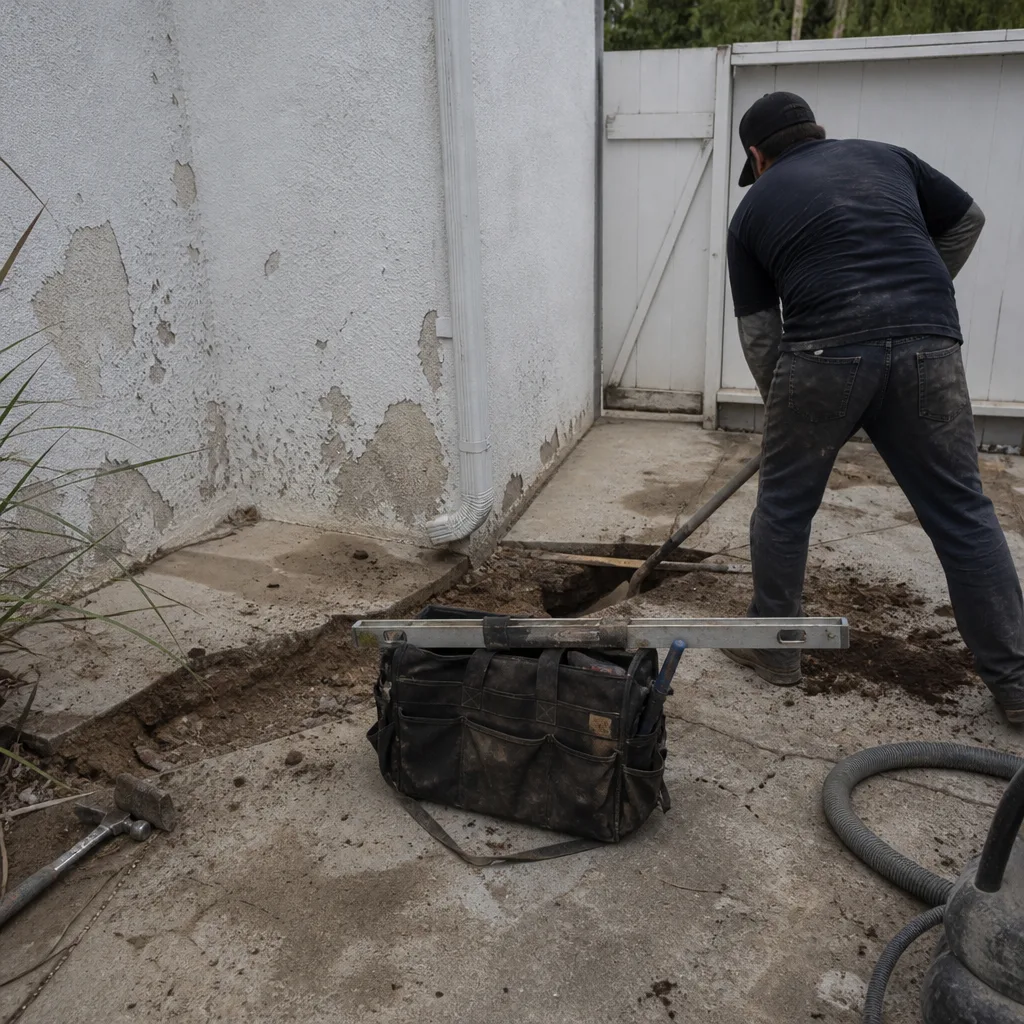 Before
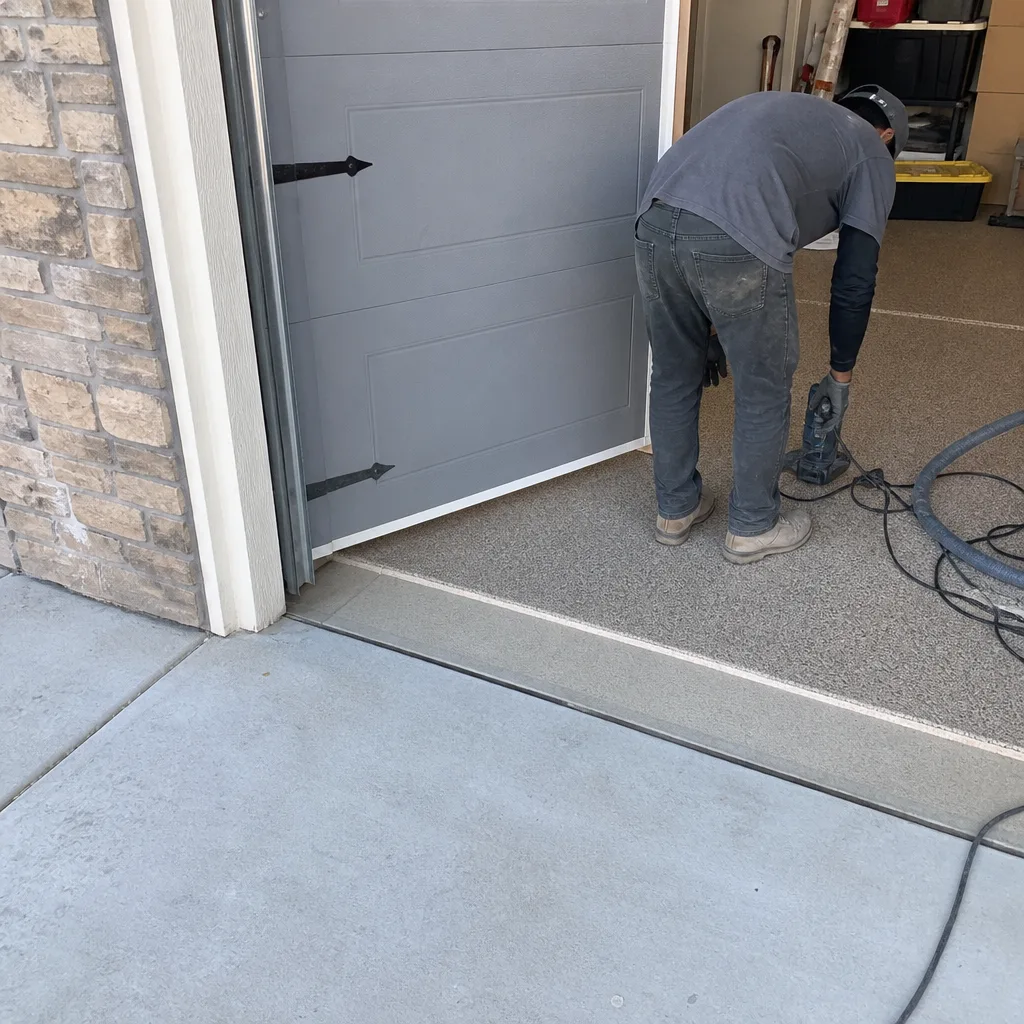 After
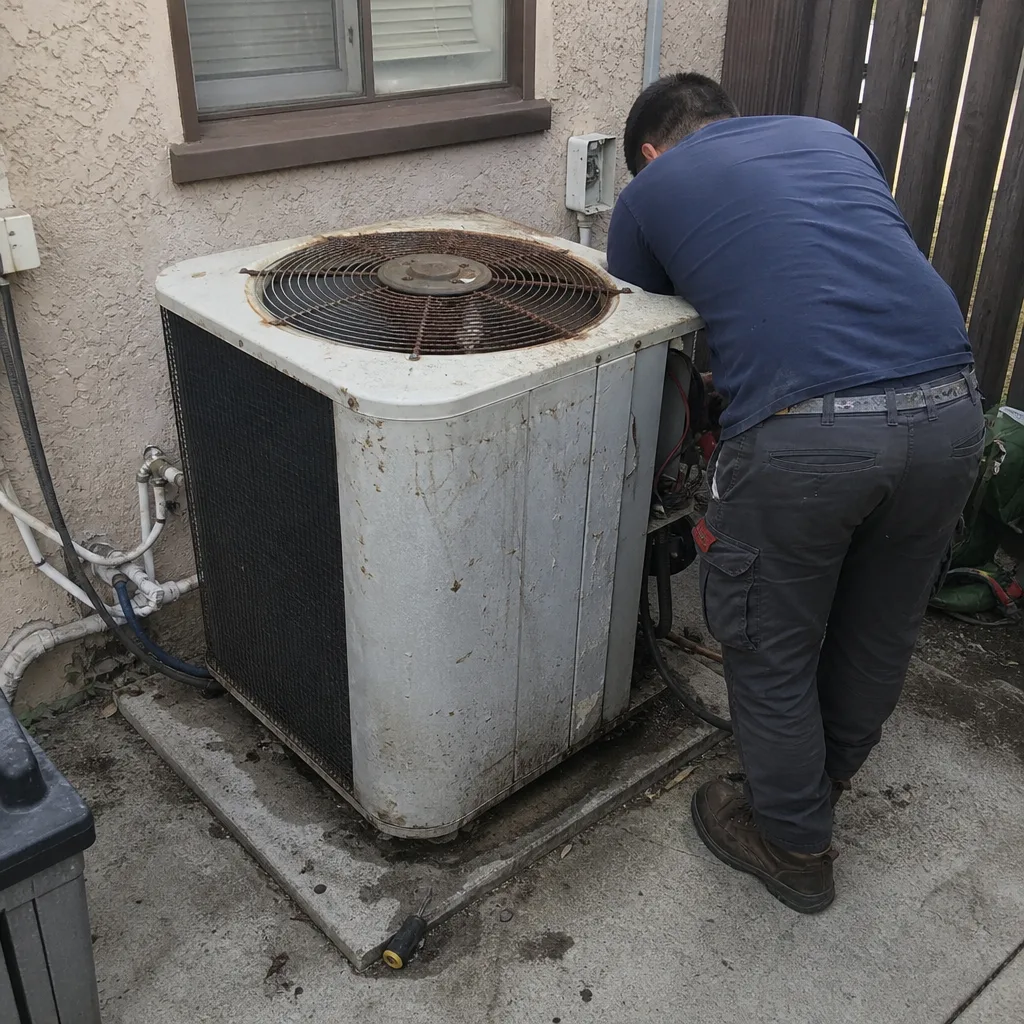 Before
 After
 Before
 After
When to Call a Professional
If your project touches any of the non-negotiable systems listed above, electrical, structural, roofing, or gas, you don’t need to call around for a second opinion on whether to hire a pro—our General Contractor Maintenance Checklist for Temecula Homeowners can help you assess what’s needed. You need to hire one. If your project is exterior and your HOA requires architectural review, you need a contractor who works with Temecula committees regularly and can manage the submission. If your project spans multiple trades, a kitchen that involves plumbing, electrical, flooring, and cabinetry, you need a single general contractor so you’re not managing four separate schedules and resolving disputes between subs who’ve never met. And if you’ve already done work that’s unpermitted and you’re now staring at a resale disclosure, you need a contractor who can assess what it will take to bring the work into compliance before it costs you more. Sycamore Contractors offers free estimates in Temecula – call (877) 265-6284.
Frequently Asked Questions
After-the-fact permits in Temecula typically cost two to three times the original permit fee, though the real cost is usually in the work required to pass inspection. If the original work is hidden behind drywall or under roofing, an inspector can require you to open the wall or remove the material to expose the work. That exposure cost often runs into the thousands, far exceeding the permit fee itself. Call (877) 265-6284 to talk through your specific situation before assuming the fix is just paperwork.
Yes, California’s owner-builder exemption allows a homeowner occupying the property to pull their own permit and act as their own general contractor on most projects. The permit carries the same inspection requirements as a contractor-pulled permit, and it triggers a three-year resale disclosure obligation you should understand before going that route. The exemption isn’t a shortcut around code compliance, and it doesn’t reduce the inspection burden.
Temecula HOAs with architectural review committees can issue a stop-work order, require you to resubmit the project for review, and in some cases require you to modify or remove completed work that doesn’t meet community standards. This process is entirely separate from the city’s permit process, so a permitted project can still violate HOA rules. The sequencing should be HOA review first, city permit second, execution third.
Yes, because Temecula buyers are often relocating from markets where inspections are routinely waived, and they’re represented by agents who know the local patterns of unpermitted work. An inspection flag on electrical, structural, or plumbing work without a permit record becomes a negotiation lever. The seller either negotiates a price concession or brings the work into compliance before closing, and neither path is cheap.
Interior painting, trim work, cabinet hardware, light fixture swaps on existing boxes, landscaping, minor hardscape, deck staining, and fence board replacement on existing posts are all reasonable DIY projects in Temecula. These projects don’t require permits, don’t touch insurance-relevant systems, and have failure modes limited to wasted time and redo materials. Use the skill threshold and tool cost tests before committing.
Often no, especially on projects that touch permitted systems or require specialty tools. The full DIY cost includes materials, tools, disposal, your time, rework allowance, and the risk cost of potential insurance or resale exposure. On a mid-size project like a bathroom remodel or a hardscape installation, the all-in DIY number frequently lands within 20% of the contractor bid, and that margin buys insurance coverage, a permit record, and a faster timeline. Call (877) 265-6284 to compare an actual bid against your DIY estimate.
The Bottom Line
The DIY-versus-professional decision for a Temecula homeowner isn’t about your skill level, and it isn’t about saving a buck today. It’s about which projects carry legal, insurance, and resale exposure that makes amateur execution a bad financial decision even when the work looks competent. Cosmetic and simple landscape projects are DIY territory. Electrical, structural, roofing, and gas work are not. Unpermitted work, in California, is a liability, not just a legal footnote, and Temecula’s active HOA communities add a review layer that generic advice misses. The smart approach is to price every project using the full cost formula, check the permit requirement, check the HOA review trigger, and let the risk profile, not the weekend warrior instinct, make the call. For ongoing project support, explore more guides & resources from our team.
Written by the team at Sycamore Contractors, serving Temecula since 2018.