
Last updated October 31, 2026
 Kitchen remodeling
 Bathroom remodeling
 Home additions & ADU
 Roofing
 Windows & doors
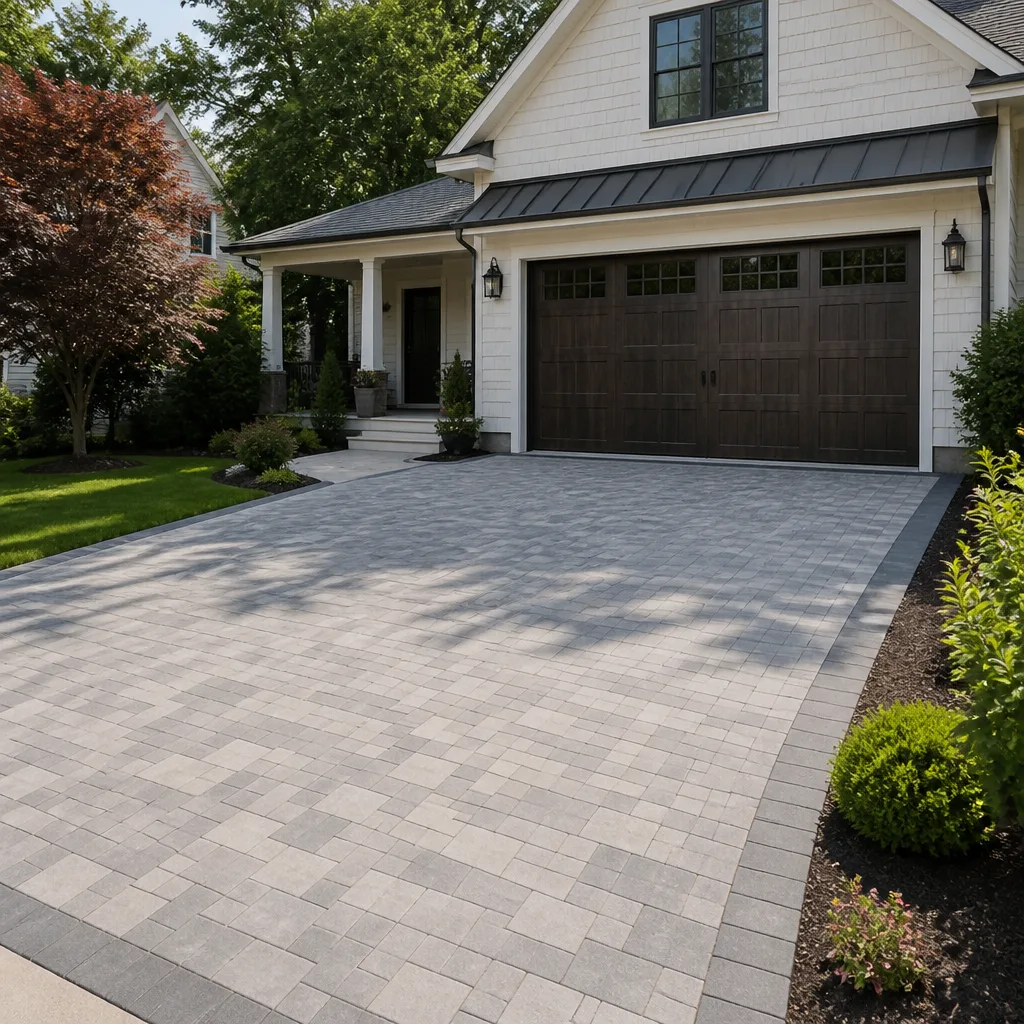 Driveway & pavers
 Fence
Free written scope consultation - allowances, timeline, and change-order rules on paper before a single trade is scheduled
How to Hire a Construction Contractor in Temecula: A Step-by-Step Guide
In the last decade, the Temecula Valley has added thousands of new homes. The zip codes stretching from Harveston to Morgan Hill have become a magnet for spec builders, flippers, and yes, a wave of contractors from San Diego, Riverside, and Orange County who chase permits here because the volume is high. The problem isn’t finding someone who will take your job. It’s finding someone who will still be answering your calls when the final inspection fails or the first winter rain finds a flashing error. Our Complete General Contractor Guide for Temecula Homeowners teaches you how to separate the contractor who builds in Temecula from the one who just bids in Temecula. We’ll walk through the license checks, the questions to ask before you sign, the contract clauses that keep you protected under California law, and the red flags that are common in our local market right now.
Quick Answer
To hire a construction contractor in Temecula, verify an active California CSLB license with no outstanding citations or bonds, ask to see two completed local projects from the last 18 months (not just photos – drive by them), request a fixed-price contract with a line-item payment schedule that never front-loads more than 10% as a deposit, and confirm in writing that any subcontractors will provide lien releases. Hold final payment until the permit is signed off by the Temecula Building & Safety department, not when the contractor says they are done.
Styles & brands we work with
Table of Contents
- Step 1: Verify the License (and What the CSLB Database Won’t Tell You)
- Step 2: General Contractor vs. Bid-and-Broker: The Accountability Question
- Step 3: Find Evidence of Active Local Project History
- Step 4: The Material Conversation – Options, Not Opinions
- Step 5: Contract Clauses That Protect You Under California Law
- Step 6: Build a Payment Schedule That Keeps Your Leverage
- Step 7: Red Flags Unique to the Temecula Market
Step 1: Verify the License (and What the CSLB Database Won’t Tell You)
Before you take another meeting, go to the California Contractors State License Board website and pull the contractor’s record. You’re looking for three things: a current, active license in the right classification (a General Building Contractor holds a “B” license), zero active suspensions, and a workers’ compensation insurance certificate on file if they employ anyone. A contractor doing a kitchen remodel in Temecula should hold a Class B, not a C-54 tile specialty or a C-36 plumbing license. The classification matters because a specialty contractor who takes a whole-home remodel is working outside their scope. It happens more than you’d think.
But here’s what the database does not show you: whether the person whose name is on the license will ever set foot on your property. It doesn’t show how many subs they broker per job, how many projects they’re running at once, or how they behave when a change order goes sideways. The CSLB record is the floor. It proves the person is legally allowed to contract. It says nothing about how they run a job. Treat it as the first filter, never the final answer.
Step 2: General Contractor vs. Bid-and-Broker: The Accountability Question
Every licensed general contractor uses subcontractors for certain trades. That’s normal. Electricians, plumbers, and HVAC technicians hold their own licenses because those specialties require them. But there’s a real difference between a GC who self-performs the core of the work – framing, rough carpentry, drywall, finish work, project supervision – and one who subcontracts 100% of the labor to crews they hired two weeks ago. The second model is how you end up with one electrician on Monday and a completely different crew finishing the tile on Thursday, each one indifferent to the last one’s work.
Ask this question in your first interview: “Which parts of this job does your own crew perform, and which parts will be subbed out?” A straight answer tells you something. A vague answer – “We handle it all,” or “Don’t worry about that” – tells you more. Here’s what to listen for:
- Self-performed framing, demo, and finish carpentry means the company has a consistent team that answers to the project lead every day.
- Named subcontractors for electrical, plumbing, and HVAC is correct and normal. A good GC names the sub and can tell you that sub has worked on their projects before.
- Vague references to “my guys” for everything usually means whoever is available that week. Ask for names and a project reference from that exact crew.
At Sycamore Contractors home, we run our own interior and exterior crews for framing, siding, hardscaping, and finish work, while naming our licensed trade partners for the specialized scopes. You should know exactly who is walking through your front door before that door gets replaced.
Step 3: Find Evidence of Active Local Project History
A portfolio of beautiful finished kitchens is not evidence of current capability. It’s evidence that someone, at some point, completed a job. What you need to know in Temecula specifically is whether the contractor has completed work in the city in the last 18 to 24 months, because our permit process, soil conditions, and inspection patterns are different from what a crew from northern San Diego County is used to. For Seasonal Construction Care for Temecula: Year-Round Homeowner’s Guide considerations, timing your project around these local conditions matters too. Temecula sits on a mix of decomposed granite and sandy loam depending on the neighborhood. Redhawk, Paloma del Sol, and Meadowview all drain differently. The point is: recent local work means the crew has encountered the actual building department, the actual setbacks, and the actual inspectors who serve this city.
Here’s the practical way to verify this, and it’s more reliable than reading Google reviews:
- Ask for two project addresses in Temecula or Murrieta completed in the last 18 months. Not just photos – addresses.
- Drive by both of them. You don’t need to knock on doors. Drive past. Look at the exterior work, the roofline, the finish quality from the street. Does it look put-together? Does it look rushed?
- Ask who their last three building inspectors were. This is a great filter. A contractor who has pulled permits in Temecula remembers the inspectors by name. A contractor who can’t name one has likely never sat through a Temecula inspection.
- Look at their permit history. Some of this is public record through the city’s permit portal. If a contractor says they’ve done five recent Temecula projects, there should be at least a few permits with their name attached.
The goal is to confirm that this contractor is operating inside the local system, not flying in for a bid and hoping for the best. A General Contractor in Temecula should be able to rattle off recent streets, inspector quirks, and local code updates without hesitation.
Step 4: The Material Conversation – Options, Not Opinions
Here’s a quiet signal that separates a real general contractor from a broker: whether they give you choices on materials or tell you what you’re getting. The bid-and-broker model leans on a single supplier for everything because it keeps their ordering simple. You get whatever cabinet line they have a wholesale account with, whatever window brand the local yard stocks, and whatever shingle is cheapest by the square. If you want something else, there’s a markup and a delay, and suddenly you feel like you’re being difficult for asking for a product you saw in a showroom.
The opposite approach looks like this: a contractor shows up with samples from multiple manufacturers, explains the actual performance differences between them, and lets you make the call. That’s what you should expect in a Temecula renovation. When we sit down with a client planning a Home Remodeling in Temecula, we walk them through cabinet lines like KraftMaid and Wellborn, countertop options from Cambria, Silestone, and Caesarstone, and let them touch and compare. For windows, you might be deciding between CGI, PGT, or ES Windows for a wine-country home with serious sun exposure – and that’s normal, not a burden. It’s your house. The decisions should feel like decisions, not like the one thing the contractor happened to have in stock.
This matters even more on the exterior side. Temecula summers cook roofs and siding. A contractor who offers seven roofing manufacturer options (GAF, CertainTeed, Owens Corning, IKO, Atlas, Tamko, Boral) is giving you a real chance to compare wind ratings, color lines, and warranties. A contractor who offers one shingle at one price is making that decision for you, and you’ll live with it for 25 years.
Step 5: Contract Clauses That Protect You Under California Law
California gives homeowners specific protections in construction contracts, but only if you insist on them. Do not accept a contract that fits on one page. A real Temecula renovation contract should be detailed enough to make both parties slightly uncomfortable, because that means expectations are actually spelled out. Here are the clauses that matter most in this state:
- Preliminary 20-Day Notice. Every subcontractor and material supplier has a right to file a mechanics lien against your home if they’re not paid. The law requires them to give you a preliminary notice at the start of work. Do not panic when these arrive in the mail – they are normal and required. What they do is tell you who is working on your house. Keep them in a file. Then, before you release any progress payment, require your general contractor to provide conditional lien releases from every sub and supplier covered by that payment. If your contractor won’t agree to this in writing, walk away.
- Change-order documentation. A change order should be a written document that describes the change, the new price, and the impact on the schedule. Verbal agreements have a way of turning into disputes at the final invoice. In California, a contractor cannot legally charge you for extra work without a written change order for any amount over a certain threshold – but the details only matter if they’re in your contract. Insist on written change orders for every single change, no matter how small.
- Payment schedule tied to milestones. Never accept a contract that says “50% down, 50% at completion.” The down payment in California should not exceed 10% of the total project price or $1,000, whichever is less. The rest of the payments should be tied to specific, verifiable milestones: “20% upon rough framing inspection approval,” “15% upon rough plumbing and electrical sign-off,” and so on. This keeps the contractor’s incentive aligned with actual progress, not just their cash flow.
- Retention clause. Hold back 5 to 10% of the total contract until the final inspection passes and you’ve done your walkthrough. This is standard in commercial construction and still unfamiliar to some residential contractors, but it should be in your contract. If a contractor refuses a reasonable retention clause, that’s a signal worth listening to.
- Dispute resolution clause. Specify mediation before arbitration or litigation in California. It’s faster, cheaper, and keeps both parties moving toward a resolution instead of digging into a fight.
Step 6: Build a Payment Schedule That Keeps Your Leverage
The power balance in a construction project shifts the moment money leaves your account. If you hand over half the job cost upfront, you’ve given the contractor every reason to prioritize the next deposit from the next client over your punch list. The payment schedule is the single most important lever you control. Here’s a schedule structure that keeps you protected from start to finish:
- Deposit (10% or $1,000, whichever is less). This is the legal maximum in California. It covers mobilization, permit fees, and materials ordering. Do not pay more, no matter how convincing the story.
- Demolition and rough-in (20 – 25%). Released only after demolition is complete and the rough framing, plumbing, and electrical work has passed the first city inspection.
- Mechanical and close-in (20 – 25%). Released after drywall is hung, taped, and textured, and after the rough mechanical inspection (HVAC, electrical panel, plumbing connections) has passed.
- Finish work (15 – 20%). Released after cabinets, countertops, flooring, tile, and trim are installed but before final inspection.
- Final inspection (10%). Released after the Temecula building inspector signs off on the final inspection and you’ve done a full walkthrough.
- Retention (5 – 10%). Held for 30 days after final sign-off to cover any latent defects or small punch-list items that appear once you actually live with the work.
Each payment should be structured as “X% upon completion of Y milestone and receipt of conditional lien releases.” That last part is the part most homeowners skip. It takes five minutes to request and protects you from paying a contractor who hasn’t paid their sub – which, if left unaddressed, means that sub can lien your home even though you already paid the GC. It happens, and it happens in Temecula.
Step 7: Red Flags Unique to the Temecula Market
Every market has its own patterns, and Temecula has a few worth knowing about. These are the ones we see most often when homeowners call us after a project has already gone wrong:
- The out-of-code ADU pitch deck. Accessory dwelling units are booming in Temecula, and that has attracted a wave of sales reps from out of the area who pitch a beautiful prefab ADU or a sleek garage conversion, take a deposit, and then discover that your lot in Meadowview or Morgan Hill doesn’t meet the setback requirements or that the HOA in your neighborhood has restrictions they never checked. Before you pay anyone for an ADU, ask them to pull your specific parcel’s zoning and setback information from the City of Temecula Planning Department. A real GC does this before they quote. A sales rep does it after you’ve already signed.
- The “wine country renovation specialist” with no residential GC license. There’s a specific kind of operator in Temecula who will tell you they specialize in “wine country renovations” or “Temecula Valley estate remodels,” show you a website full of beautiful kitchen photos, and then hand you a contract under a specialty license – or sometimes no license at all. Check the CSLB database and look for a Class B license with the words “General Building Contractor.” If they hand you a C-27 landscaping license for your kitchen remodel, that’s a problem.
- The out-of-area crew that prices 15% under everyone else. Contractor pricing does vary, but extreme outliers usually mean the bidder hasn’t actually priced the local permit process, the Temecula inspection schedule, or the reality of doing a Home Renovation in Temecula with local subs. They’ll figure it out after your deposit clears.
- The “no permit needed” reassurance. In Temecula, structural changes, re-roofs, window replacements that alter the opening, and any plumbing or electrical work require permits. No exceptions, no matter what the contractor tells you. A contractor who waves off permits is not doing you a favor – they’re increasing your risk exposure on a resale disclosure.
- The zero-subcontractor claim. Any contractor who tells you they do all their own electrical, plumbing, and HVAC work is either lying or operating illegally, because those trades require separate state licenses. A good GC self-performs the general building work and coordinates licensed trade subs for the rest.
Common Mistakes to Avoid
- Checking the license but not the bond history. A contractor can have an active license and a history of bond claims. Look for “Surety Bond History” on the CSLB record. Claims mean disputes with other homeowners, and disputes leave a trail.
- Signing a one-page contract. A construction contract for a real remodel in Temecula should be 10 to 20 pages. A one-pager leaves too much room for “we never talked about that.”
- Paying more than 10% down. California caps the deposit at 10% or $1,000 for residential work. If a contractor asks for 25% or 30% upfront, the answer is no.
- Skipping the lien release paperwork. You can pay your general contractor in full and still have a subcontractor file a mechanics lien against your home if that sub was never paid. Lien releases are your proof. Without them, you have nothing to show for your payments.
- Buying the cheapest bid because the scope “looks the same.” A bid is a scope document. Two bids that differ by $15,000 are usually pricing different things – different materials, different allowances, different exclusions. Compare line items, not just bottom lines.
- Ignoring the HOA requirement in Temecula neighborhoods. Many communities in Temecula – Harveston, Morgan Hill, Redhawk, parts of Paloma del Sol – have active HOAs with architectural review requirements for exterior work, fencing, and ADUs. A contractor who has worked locally will know to check this before you buy materials.
See the difference
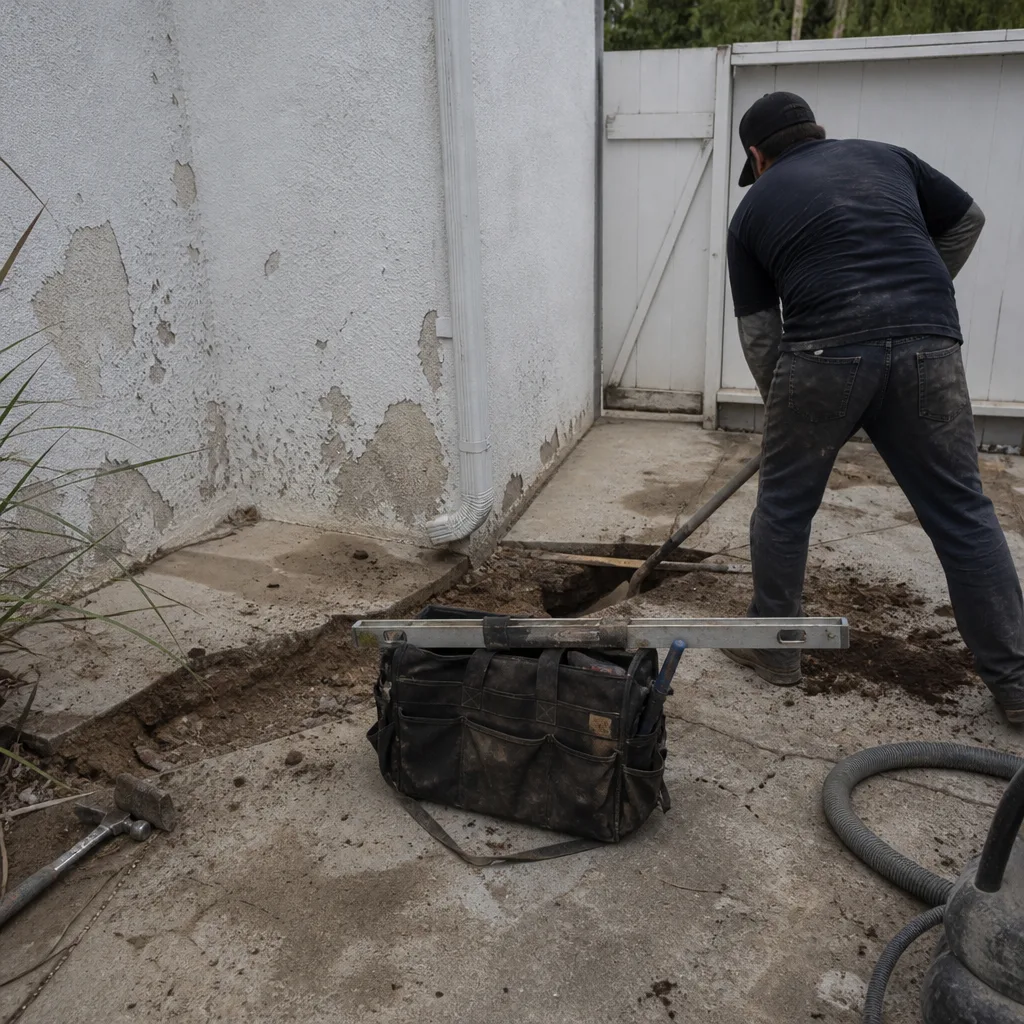 Before
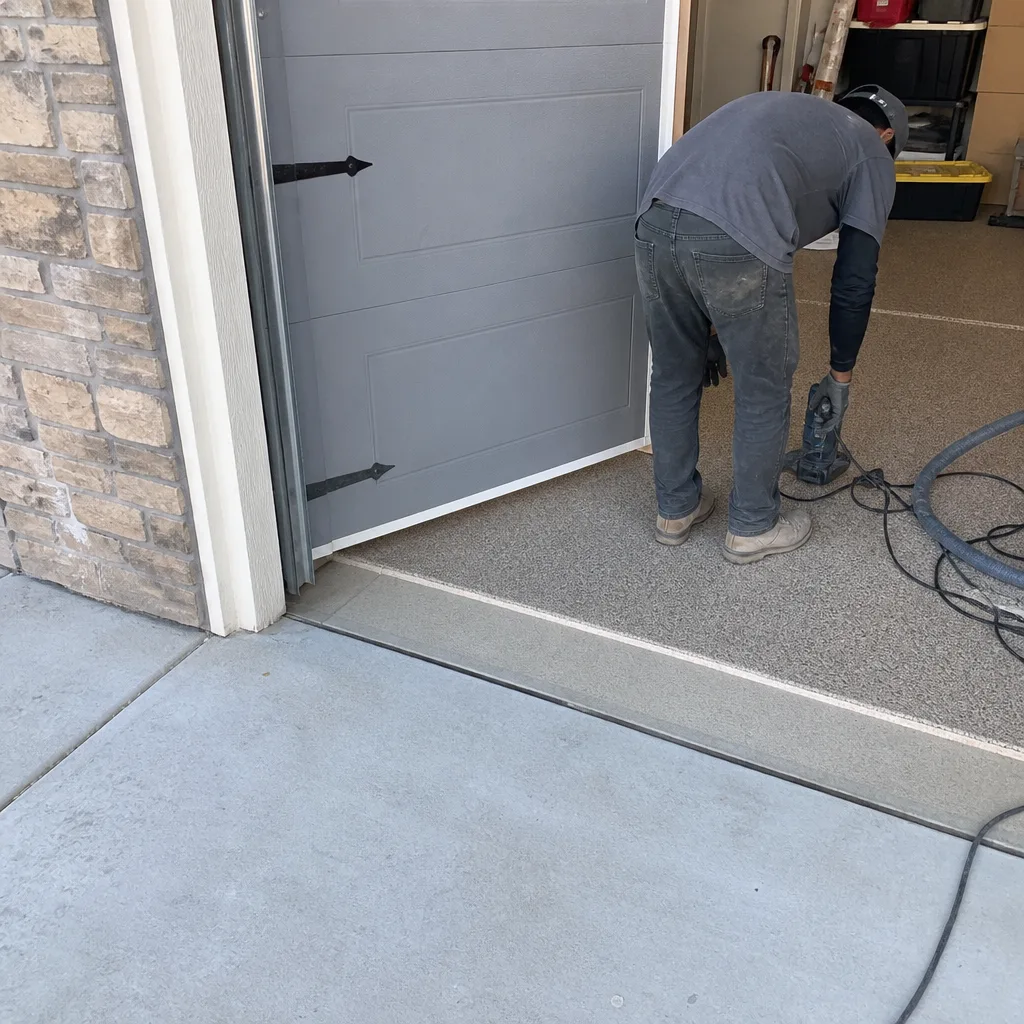 After
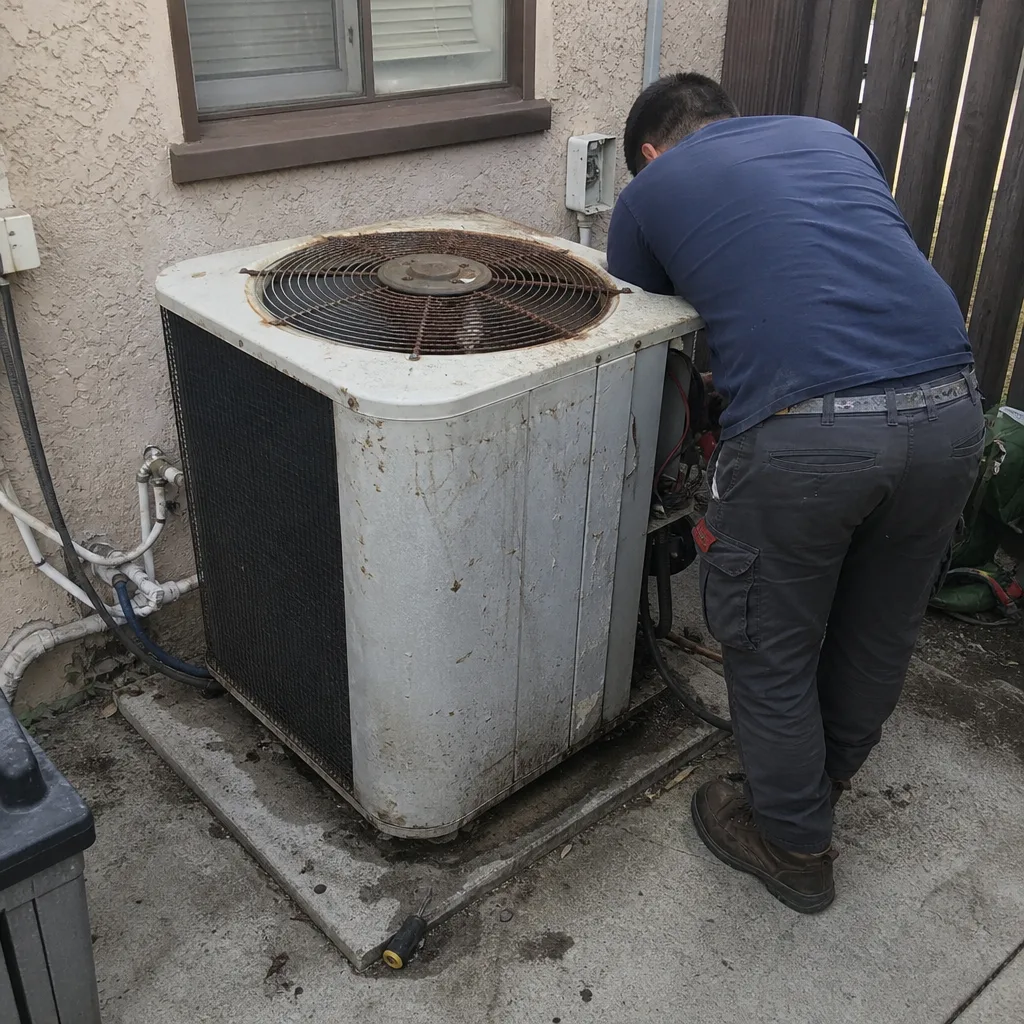 Before
 After
 Before
 After
When to Call a Professional
If you’re planning a project that touches more than one trade – a kitchen remodel that requires moving plumbing, upgrading electrical, and replacing a window, or a home exterior project that includes siding, roofing, and hardscaping – you need a single accountable team, not a rotating cast of separate contractors. The moment multiple permits are involved, coordinating them yourself becomes a part-time job with real liability attached. The same is true for any project where you’re considering an ADU or a structural change. These are not the places to learn by doing. Sycamore Contractors offers free estimates in Temecula – call (877) 265-6284 to schedule a walkthrough and get a written, line-item quote from one team that handles the entire scope.
Frequently Asked Questions
A general contractor working in Temecula should hold a Class B General Building Contractor license issued by the California Contractors State License Board. Verify the license is active, has no suspensions, and carries workers’ compensation insurance. A specialty license (Class C) is not sufficient for a whole-home remodel or any project spanning multiple trades. Call (877) 265-6284 if you want a quick license check done for you during an estimate.
California law caps the residential construction down payment at 10% of the total contract price or $1,000, whichever is less. The remaining payments should be tied to completed milestones – not to the contractor’s schedule – and no final payment should be released until the Temecula Building & Safety department has signed off on the final inspection. For a precise milestone structure on your project, call (877) 265-6284 and we’ll walk you through a sample schedule at your free estimate.
Yes. Structural changes, re-roofs, window replacements that alter the opening, any plumbing or electrical work, and ADU construction all require permits in the City of Temecula. A contractor who suggests skipping permits is increasing your risk on resale and your exposure if something fails. The permit process adds time and cost, but a contractor who works in Temecula regularly will factor it into the schedule from the start. Call (877) 265-6284 for clarity on whether your specific project needs permitting.
Request a conditional lien release from every subcontractor and material supplier with each progress payment, and a final unconditional lien release when the project is complete. These documents prove the parties have been paid and cannot file a mechanics lien against your home later. Your general contractor should provide these as a routine part of every payment draw. Sycamore Contractors includes lien releases in every payment milestone for every project we run, and we’ll show you the paperwork at your free estimate – call (877) 265-6284 to schedule.
A local contractor who has completed recent projects in Temecula has relationships with local inspectors, understands the city’s permit process, and has built their reputation on word-of-mouth from Temecula homeowners. Out-of-area contractors can be perfectly competent, but they lack the local context. Ask for two local project addresses from the last 18 months and drive by them – that answers the local question better than any review.
Look for a contractor who offers options from multiple manufacturers in each category, not a single take-it-or-leave-it product line. In cabinets, that might mean KraftMaid and Wellborn. In countertops, Cambria, Silestone, and Caesarstone. In windows, CGI, PGT, or ES Windows. In roofing, at least three or four manufacturer lines. Options mean the contractor is building around your priorities, not their warehouse inventory. Call (877) 265-6284 to see samples and compare before you commit.
The Bottom Line
Hiring a construction contractor in Temecula is a process, not an event. Start with the CSLB license check, then push past it. Confirm recent local project history by asking for addresses, not just photos. Ask exactly which trades are self-performed and which are subbed. Put the payment schedule, change-order rules, and lien release requirements in writing. Watch for the Temecula-specific red flags: unpermitted ADU pitches, unlicensed wine-country specialists, and bids that seem too cheap to include the real cost of building in this city. The contractor who handles all of that without flinching is the one you want. The one who bristles at the questions just told you everything you need to know.
Written by the team at Sycamore Contractors, serving Temecula since 2018. Explore more guides & resources on building in the Valley.