
Last updated October 31, 2026
 Kitchen remodeling
 Bathroom remodeling
 Home additions & ADU
 Roofing
 Windows & doors
 Driveway & pavers
 Fence
Free written scope consultation - allowances, timeline, and change-order rules on paper before a single trade is scheduled
General Contractor Troubleshooting: Common Problems and How to Fix Them
A cracked tile floor, a fogging window seal, and a sticking interior door after a remodel feel like three separate problems. In most Temecula homes we’ve inspected, they’re actually one problem: a contractor sequenced trades in the wrong order and let moisture into the structure before it was sealed. This guide walks you through the diagnostic process we use on every warranty call and third-party inspection, so you can trace what you’re seeing back to what actually caused it. By the end, you’ll know which problems are workmanship defects, which are maintenance issues, and which deserve a call to a structural engineer.
Quick Answer
Most post-renovation defects fall into one of three root causes: sequencing errors (trades done in the wrong order), moisture intrusion before the envelope was sealed, or material substitutions the homeowner never approved. To fix the right problem, document everything, identify whether the issue is workmanship or maintenance, check your contract and lien releases, then escalate through the proper channels, starting with a direct conversation and moving to a CSLB complaint if needed.
Styles & brands we work with
Table of Contents
- The Sequencing Problem: One Root Cause, Many Symptoms
- Warranty Workmanship Defects vs. Owner-Responsible Maintenance
- Documentation to Pull Before You Escalate Any Dispute
- Using California’s CSLB Complaint Process Effectively
- Third-Party Inspector vs. Direct Conversation: When Each Works
- Material Substitutions and Change Orders: What You Approved vs. What Got Installed
- Moisture, Efflorescence, and the Building Envelope in Southern California
- Structural Warning Signs That Look Cosmetic but Aren’t
The Sequencing Problem: One Root Cause, Many Symptoms
Here’s the counterintuitive truth we’ve learned from fixing other contractors’ work across Temecula: construction defects rarely announce themselves at the moment they’re created. A tile floor that cracks six months after move-in wasn’t cracked by anything that happened that month. It cracked because the subfloor was installed over wet framing, or because drywall mudding happened before the roof was dried in, or because the HVAC system ran before all the windows were sealed. The crack you see is just the final chapter of a story that started months earlier.
Sequencing failures show up in predictable patterns:
- Drywall nail pops appearing within the first year usually trace back to framing lumber that was installed wet or exposed to rain before the structure was dried in. The wood shrinks as it dries, and the nails stay put while the board moves. We see this most often in Temecula homes where the remodel ran through a rainy winter without proper temporary weather protection.
- Grout cracking along floor tile edges often means the tile was installed before the substrate had fully cured, or before the building was climate-stable. Tile doesn’t flex; if the subfloor moves even slightly during curing, the grout takes the stress.
- Sticking interior doors in a newly remodeled space frequently signals that framing lumber absorbed moisture during construction and shrank after the HVAC system started pulling humidity out of the air. The door didn’t change shape; the wall around it did.
- Caulk peeling away from trim or countertops within months can mean the surfaces were painted or sealed before they were fully dry. Paint and caulk need a stable, dry substrate to bond properly.
In our experience working across home remodeling projects in Temecula, the fix for a sequencing defect is rarely a simple patch. You have to trace the moisture path, identify what was sealed too early or too late, and correct the underlying condition before you address the visible symptom. A contractor who only fixes the cracked tile without addressing the subfloor moisture problem is selling you the same failure twice.
Warranty Workmanship Defects vs. Owner-Responsible Maintenance
This is where the line gets deliberately blurred. A workmanship defect is a failure caused by how the work was performed: a roof installed with insufficient fasteners, a shower pan that wasn’t sloped correctly, a window that was set without proper flashing. Maintenance, on the other hand, is a failure caused by how the home was cared for after the work was done: clogged gutters leading to fascia rot, failed caulk that was never reapplied, unsealed grout that absorbed years of shower water.
The distinction matters because most contractor contracts exclude maintenance from warranty coverage. And some contractors exploit that exclusion to deny legitimate workmanship claims. Here’s how to tell them apart:
- Timeline: Workmanship defects typically appear within the first 12 to 24 months. If a shower pan fails in year one, that’s a slope or waterproofing problem, not a maintenance problem. If it fails in year seven after years of mineral buildup and missing grout, that’s a different conversation.
- Pattern: Workmanship defects tend to be systematic. If one window leaks, that might be a product issue. If every window on the same wall leaks, that’s flashing, sequencing, or installation workmanship. Maintenance failures tend to be isolated and site-specific.
- Location: Water staining at the bottom of an exterior door usually points to flashing workmanship. Water staining under a window that was never caulked after the first summer points to maintenance. The location of the water tells you where the system broke down.
- Documentation: Did the original contractor provide a written warranty, and does that warranty spell out what’s excluded? California law requires contractors to provide a written warranty on new construction and most remodels. If you never received one, that itself is a red flag worth raising.
What we tell our own clients in Temecula is simple: a legitimate contractor wants to inspect problems early, because early intervention is cheaper for everyone. A contractor who immediately blames the homeowner for every issue within the first year is not honoring the spirit of the warranty. If you’re navigating a home renovation in Temecula, ask your contractor to walk you through the warranty exclusions before you sign anything, not after a problem appears.
Documentation to Pull Before You Escalate Any Dispute
Before you call a lawyer, file a complaint, or even escalate within the contractor’s own company, gather the paper trail and check our more guides & resources. Most renovation disputes that end well for the homeowner end well because the homeowner had documentation that was impossible to argue with. Here’s what to pull together:
- The signed contract, every change order, and every addendum. The original scope of work and price is your baseline. Any change order signed after the original contract modifies that baseline. If the contractor did work beyond the signed change orders, that’s a scope problem, not your problem.
- Lien releases from every subcontractor and supplier. In California, if a subcontractor or supplier wasn’t paid, they can file a mechanic’s lien against your property even if you paid the general contractor in full. Signed unconditional lien releases prove everyone got paid and protect you from a second bill. If your contractor never provided lien releases, that’s a serious gap.
- Inspection sign-offs. Every permitted inspection should have a signed approval from the city or county inspector. If structural, electrical, or plumbing work was done without final inspection sign-offs, you’re sitting on unpermitted work that becomes your legal liability when you sell.
- Subcontractor agreement and warranty documents. The manufacturer warranties on your roof, windows, and appliances are separate from the contractor’s workmanship warranty. Pull both. A roof failure might be a manufacturer defect, a workmanship error, or both, and you need both documents to know who pays.
- Photographs and a timeline. Every photo you took during construction, every text message exchange, every email. Date-stamp everything. A timeline of when the problem appeared and when you reported it to the contractor is evidence that you acted promptly and gave the contractor an opportunity to respond.
In our experience, the single most common documentation gap we see in Temecula is missing lien releases. Homeowners pay the contractor, assume the job is done, and find out a year later that a supplier filed a lien because the contractor never paid them. A general contractor in Temecula who runs a clean job provides lien releases as a matter of course. If yours doesn’t, ask for them before you release final payment.
Using California’s CSLB Complaint Process Effectively
The Contractors State License Board exists precisely for this situation, but how you file determines whether anything actually happens. A vague complaint that says “the contractor did bad work” gets filed and forgotten. A specific complaint with documentation attached triggers an investigation. Here’s what to know:
- Verify the license first. Go to the CSLB website and confirm the contractor’s license number is active and matches the name on your contract. If you paid an unlicensed contractor, the CSLB has limited ability to help you, and you may have additional legal exposure because California law treats unlicensed contracting as a criminal matter.
- Keep a written record of every attempt to resolve the dispute directly. The CSLB wants to see that you gave the contractor a reasonable opportunity to fix the problem. Send a certified letter describing the specific defect, what you’ve already paid, and what you’re asking for. This letter becomes your evidence if the contractor stops responding.
- File the complaint online with everything attached. The CSLB complaint form asks for specific information: license number, contract details, payment records, and a detailed description of the workmanship or conduct issue. Attach your photos, your timeline, your contract, and your certified letter. A complaint with no documentation is a complaint with no investigation.
- Understand what triggers a mandatory investigation. Certain complaints receive automatic attention: abandonment of a project, diversion of funds, unlicensed activity, and refusal to correct work that violates code. Complaints about workmanship quality alone may be mediated instead of investigated. The more your complaint points to specific code violations or payment irregularities, the more likely it enters the mandatory investigation track.
- Know the limits. The CSLB cannot award you money. It can suspend or revoke a license, order restitution, and refer cases for criminal prosecution, but financial recovery usually requires a separate civil action or a claim against a contractor’s bond. California requires licensed contractors to maintain a license bond, and some also carry separate workmanship bonds. If the CSLB takes action against your contractor, that action strengthens a bond claim.
One thing we’ve learned from watching these cases play out in Temecula and across Southern California: the homeowners who get results from the CSLB are the ones who treat the complaint process like a legal filing, not a Yelp review. Facts, dates, documentation, and a specific ask. That’s what moves cases forward.
Third-Party Inspector vs. Direct Conversation: When Each Works
There’s a moment in every renovation dispute where you have to decide: do I call a third-party construction defect inspector, or do I sit down with the contractor one more time and try to work it out? The answer depends on what you’re dealing with and what you want.
Start with a direct conversation when: the problem is isolated to one specific trade, the contractor has been responsive so far, and you’re asking for a repair rather than a refund. In these situations, a face-to-face walkthrough with the contractor, the relevant subcontractor, and a list of specific concerns often resolves things faster than any formal process. We’ve had homeowners in Temecula bring us their punch list from another contractor’s project, and a single walkthrough clarified what actually needed fixing versus what was normal settling.
Bring in a third-party inspector when: the contractor is denying the problem exists, multiple trades are involved and the contractor is blaming everyone else, or you’re concerned about safety issues that require an expert eye. A licensed construction defect inspector provides an independent written report that carries weight with the CSLB, your insurance company, and a court if it comes to that. The inspection fee is usually recoverable if the defect claim succeeds.
The mistake we see homeowners make most often is skipping straight to the inspector without a documented conversation first. The inspector’s report is more powerful if it comes after the contractor had a chance to inspect and refused to act. The sequence matters: document the conversation, give the contractor a written opportunity to respond, then bring in the inspector if the response is inadequate. That sequence is what the CSLB and the courts want to see.
Material Substitutions and Change Orders: What You Approved vs. What Got Installed
Material substitution is one of the most common sources of renovation disputes, and it’s also one of the most avoidable. It happens when the contractor installs something different from what the contract specified, either because the specified material wasn’t available, the subcontractor made an on-site decision, or the contractor found something cheaper and hoped you wouldn’t notice.
In our work as a Sycamore Contractors home team member, we’ve seen this play out with roofs, windows, and countertops more than any other categories. The contract says one manufacturer; the invoice shows another. Sometimes the substitution is functionally equivalent. Often it isn’t. The fix is to check what got installed against what you approved, in writing, before you make final payment.
Here’s how to protect yourself:
- Require brand and model numbers in the contract. “Premium shingle” means nothing. “CertainTeed Landmark Pro in Moire Black” means something you can verify. A contract that specifies exact manufacturers and product lines gives you a clear baseline to compare against.
- Require written change orders for any substitution. If the specified material is out of stock, that’s a conversation, not a unilateral decision. A written change order should describe the substitution, explain why it’s necessary, and state any price difference. No signed change order, no substitution.
- Walk the job before final payment. Look at the labels on the boxes, the stamps on the materials, the documentation the contractor leaves behind. If you’re not sure what you’re looking at, ask for the manufacturer’s documentation. Legitimate contractors don’t hide this information.
The brands we work with, including names like Dvele in the prefab and ADU space, publish installation specifications that are verifiable. A homeowner who knows their contract specified a certain product can hold a contractor to that standard. The asymmetry of knowledge is the problem; closing that gap is the solution.
Moisture, Efflorescence, and the Building Envelope in Southern California
Southern California homeowners often assume moisture problems belong to other climates. That assumption is expensive. Temecula’s climate, with its hot dry summers and occasional heavy winter rains, creates a specific set of building envelope challenges that show up as efflorescence on concrete, spalling on stucco, and water staining around window penetrations.
Efflorescence, that white powdery residue on concrete and masonry, is often written off as cosmetic. It’s actually a signal that water is moving through the material and depositing salts on the surface. In a newly built or remodeled structure, efflorescence within the first year suggests the concrete was poured without proper moisture control or the drainage plane behind the masonry isn’t functioning. In an older structure, it usually points to a failing or missing waterproofing detail. Either way, scrubbing the residue off doesn’t fix the water movement; it just hides the symptom until the next rain.
Window penetrations are the other common failure point in Temecula. The combination of intense sun exposure and occasional driving rain tests flashing details over time. We’ve inspected homes where every window on the south and west elevations showed water staining inside the wall cavity, while the north and east windows were fine. That pattern suggests the flashing wasn’t properly installed or has degraded from UV exposure. The fix requires pulling the window trim, inspecting the flashing, and replacing the water-resistive barrier if needed, not just caulking the interior.
If you’re planning an exterior project in Temecula, whether it’s stucco, siding, or new windows, the building envelope order matters: structure first, then water-resistive barrier, then flashing, then cladding, then sealants. Skipping a step or doing them out of order is where moisture problems come from.
Structural Warning Signs That Look Cosmetic but Aren’t
Some of the most expensive structural problems we’ve seen in Temecula homes started as things homeowners were told to ignore: a hairline crack that kept growing, a floor that developed a slight slope over two years, a door that started sticking and then wouldn’t close at all. The difference between a cosmetic issue and a structural one is pattern and progression.
Here’s what to watch:
- Cracks wider than 1/8 inch, or cracks that grow. A hairline crack in drywall that appeared right after move-in is usually settling and nothing to worry about. A crack that widens over months, especially one that runs diagonally from a door or window corner, warrants a structural engineer’s opinion.
- Floors that slope more than 1/2 inch over 15 feet. Some slope in an older home is normal. Progressive slope, where the floor is slightly lower this year than it was last year, suggests movement in the foundation or the framing system.
- Sticking doors or windows that persist after humidity stabilizes. If a door sticks through an entire Temecula summer, when the air is dry and the framing has fully dried out, the issue isn’t moisture. It’s likely framing movement or settlement.
- Ceiling cracks that run in straight lines across entire rooms. These can indicate that the ceiling drywall is pulling away from the framing, which is a workmanship issue where screws were spaced too far apart or driven too deep.
We advise every homeowner in Temecula to photograph visible cracks and measure them. Put a dated sticky note next to the crack, take a photo, and repeat in six months. That documentation tells a structural engineer, and later a contractor, whether the movement is active or long-since stabilized. Guessing is expensive; measuring is cheap.
Common Mistakes to Avoid
- Paying the full contract amount before every punch-list item is resolved. Once final payment clears, your leverage evaporates. Hold back at least 5 to 10 percent until every documented item is signed off.
- Accepting a verbal promise to fix something later. If it’s not in writing, it didn’t happen. Verbal repairs are the most common unfulfilled promise in contracting disputes.
- Signing a change order without reading it. Change orders modify the contract, and in California, an unsigned or vaguely worded change order is a frequent source of cost overruns. Read every word and ask questions before you sign.
- Not pulling your own permits. In Temecula and throughout Riverside County, work that requires a permit but doesn’t have one becomes your liability when you sell and can void your insurance if something fails.
- Filing a CSLB complaint before sending a written demand letter. The CSLB process works best when you can show you exhausted direct communication first. The certified letter is your evidence, and it’s cheap to send.
- Hiring the first contractor who shows up to fix another contractor’s problem. Repair work on defective construction often reveals hidden damage that was invisible during the first inspection. Get a written scope and a fixed price before you authorize repairs.
See the difference
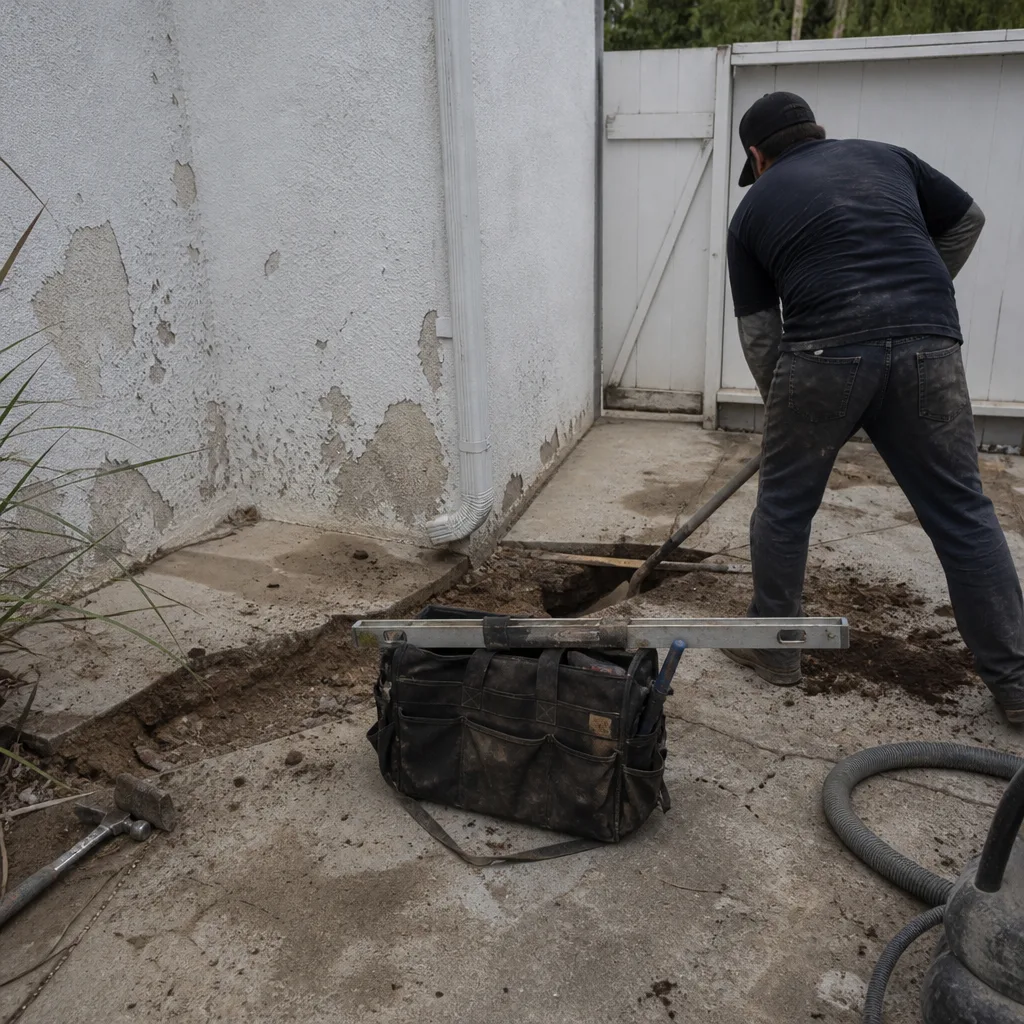 Before
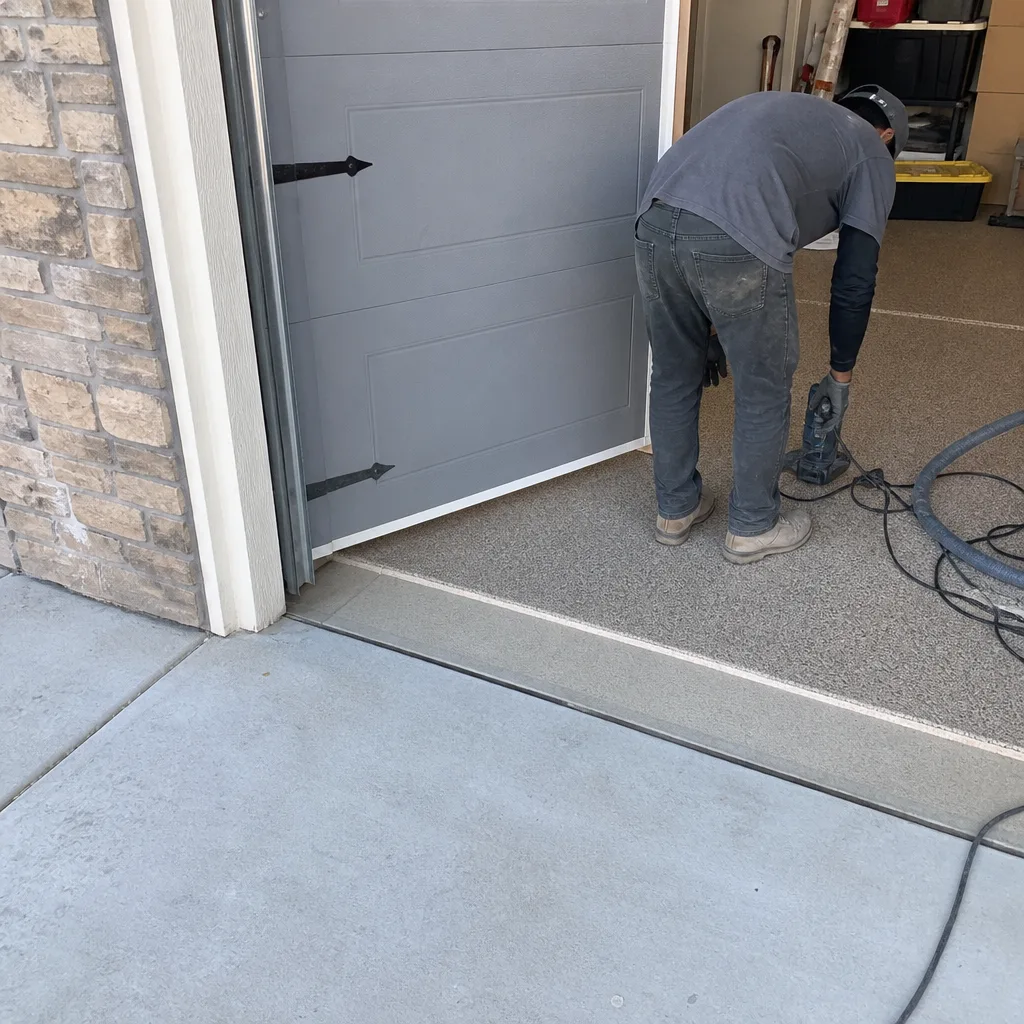 After
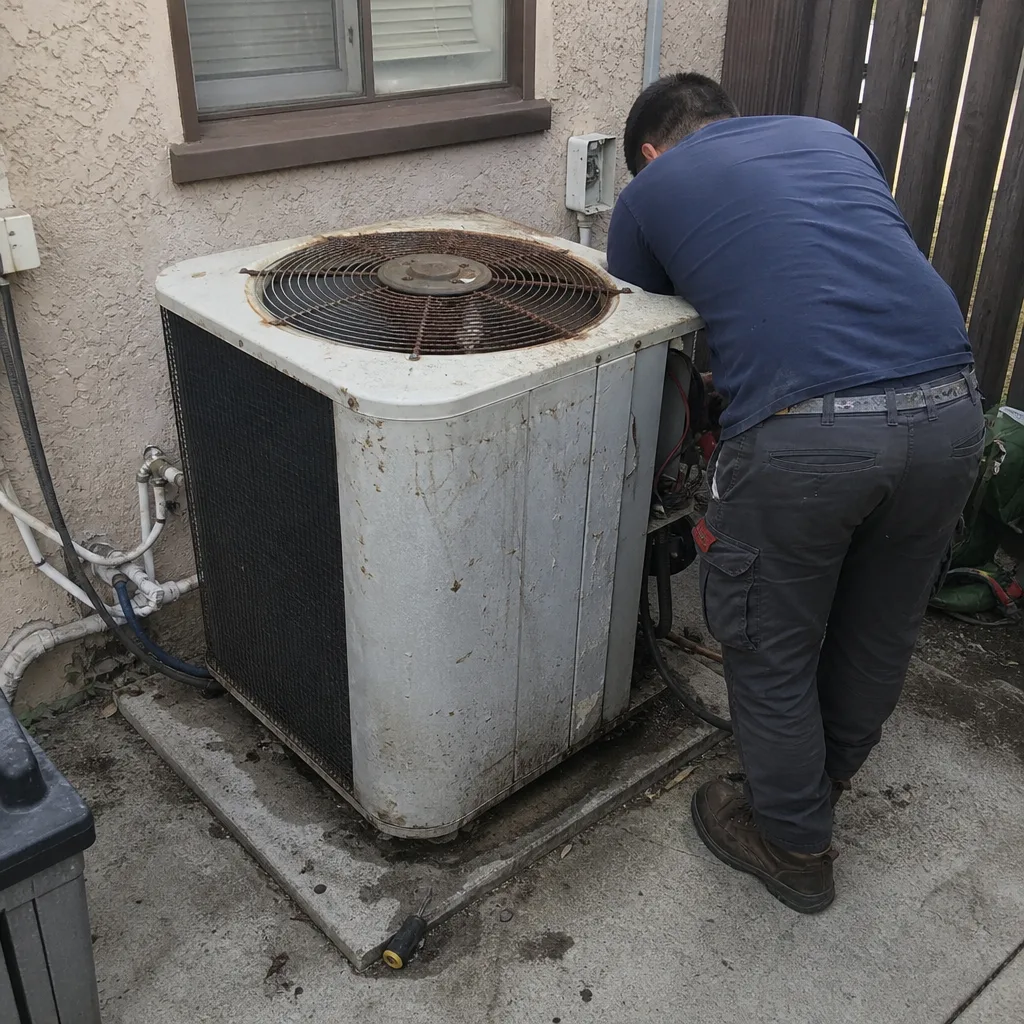 Before
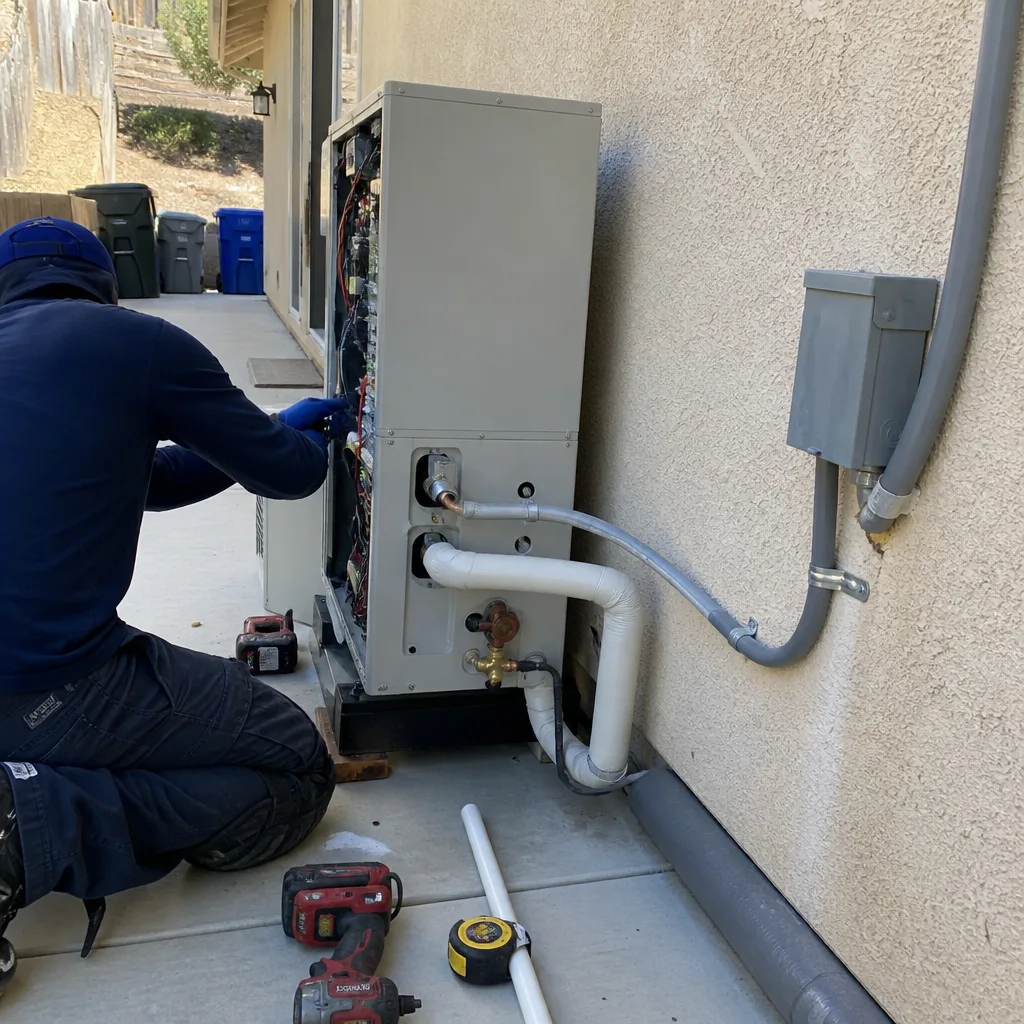 After
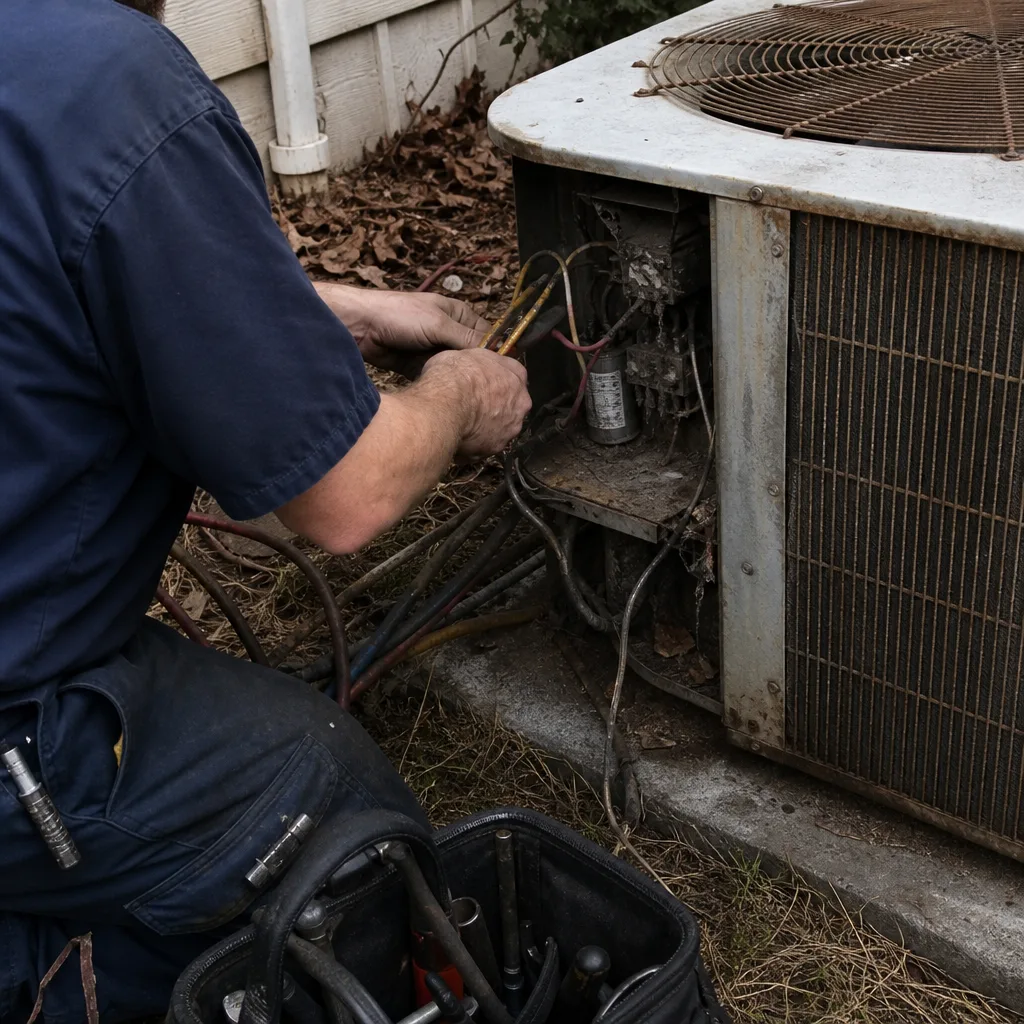 Before
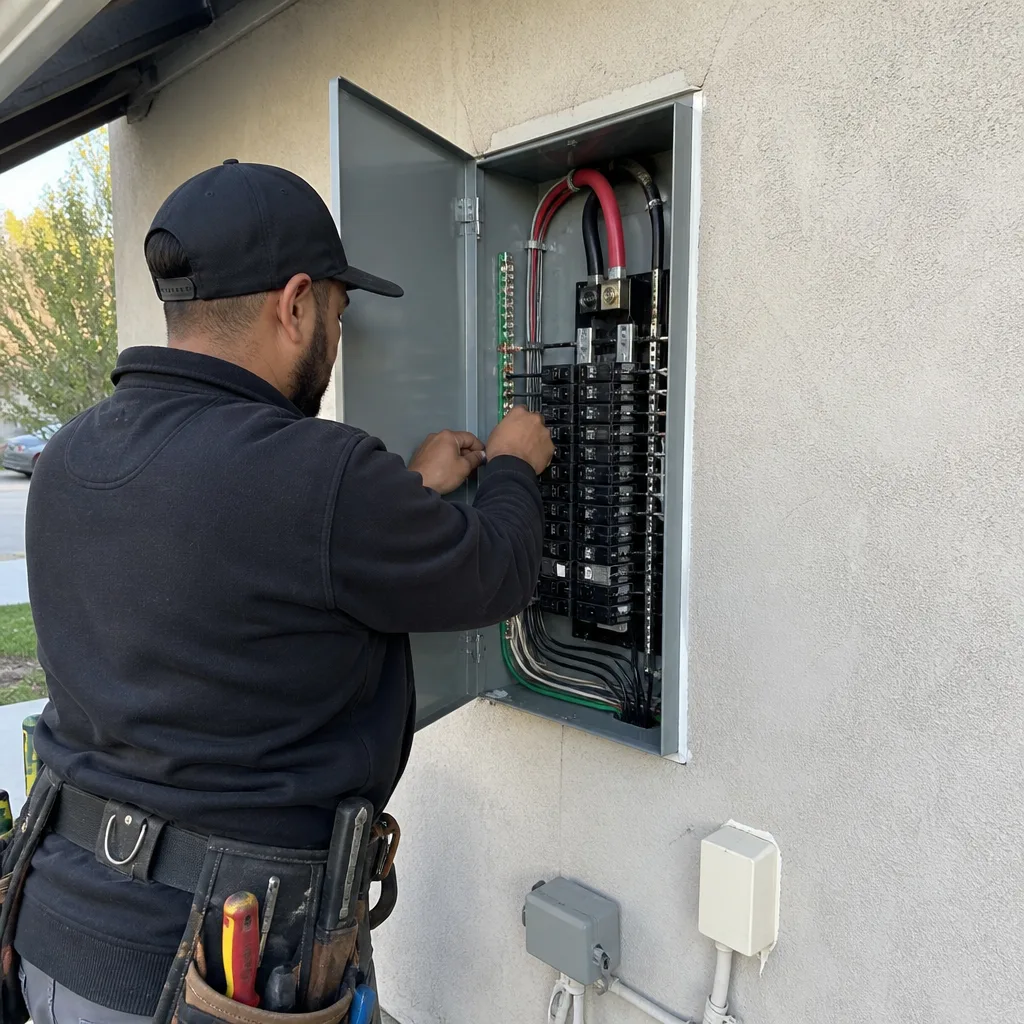 After
When to Call a Professional
If you’ve identified a pattern of moisture intrusion, progressive cracking, or multiple trades pointing to the same underlying cause, you need a professional diagnostic eye, not another patch job. Bring in a third-party defect inspector or a general contractor with experience in repair and remediation work, not just new construction. Repair work requires a different skill set: understanding what went wrong, designing a fix that addresses the root cause, and sequencing that fix so it doesn’t create new problems. Sycamore Contractors offers free estimates in Temecula; call (877) 265-6284 and we’ll walk the property with you, identify what’s actually going on, and give you a written scope for the repair. If it’s outside our wheelhouse, we’ll tell you who to call. If it’s something we can fix, you’ll get a fixed price and a plan.
Frequently Asked Questions
Repair costs for defective workmanship in Temecula range from a few hundred dollars for isolated fixes like re-caulking or drywall patching to tens of thousands for structural remediation or full system replacements. The average workmanship repair we quote falls between $2,000 and $15,000 depending on scope. A written inspection and scope of work is the only way to get an accurate number; call (877) 265-6284 for a free estimate.
California’s statute of limitations for construction defect claims is four years from the date the defect was discovered or should have been discovered, with an overall limit of ten years from substantial completion for latent defects. The CSLB complaint process has no filing deadline for unlicensed activity but practical limits apply for contract disputes. If you suspect a defect, document it immediately and consult an attorney; waiting can cost you your claim.
Most general liability policies exclude coverage for the contractor’s own defective work, but they may cover resulting property damage. For example, a leaking roof caused by poor flashing workmanship may not be covered by the roofer’s insurance, but water damage to your ceilings and walls from that leak may be. The contractor’s license bond can cover certain claims, and some contractors carry separate workmanship bonds. Your own homeowner’s insurance may also provide coverage for resulting damage, though it typically excludes the defective work itself.
California law allows you to withhold a reasonable amount for unresolved workmanship issues, but you cannot withhold the entire contract amount for minor punch-list items. Under the California Home Improvement Contract law, you’re required to pay for work that was substantially completed. Document every unresolved item in writing, agree on a holdback amount, and only release the holdback when the items are signed off. Withholding payment entirely can trigger a mechanic’s lien against your property.
A general contractor in California holds a Class B license and can legally perform and supervise multiple trades, including structural, roofing, and waterproofing work. A handyman can only perform work under $500 per job without a contractor’s license. For defect repair work involving building systems, you need a licensed general contractor who understands the original construction and can sequence the repair properly. See our guide on How to Hire a Construction Contractor in Temecula: A Step-by-Step Guide. Using an unlicensed handyman for structural repairs puts your home and your legal position at risk.
If the original work required a permit, the repair typically requires a permit as well, especially for structural, electrical, plumbing, and roofing repairs. In Temecula, the city’s building department reviews repair permits on a case-by-case basis. A licensed general contractor will pull the permit and schedule the required inspections. Working without a permit on a repair that required one creates the same liability as unpermitted new construction, including insurance and resale issues.
The Bottom Line
Most renovation problems are the visible symptoms of an upstream failure in sequencing, moisture management, material selection, or documentation. The fix that lasts is the fix that addresses the root cause, not the crack. Document everything from the start, understand the line between workmanship and maintenance, know your rights under California law, and don’t escalate until you’ve given the contractor a written opportunity to respond. In Temecula, where the climate and the building stock create specific challenges, a methodical approach beats an emotional one every time. If you’re standing in front of a problem you didn’t cause and you’re not sure what to do next, call us. We’ve seen it before, and we’ll tell you straight what you’re dealing with.
Written by the team at Sycamore Contractors, serving Temecula since 2018.